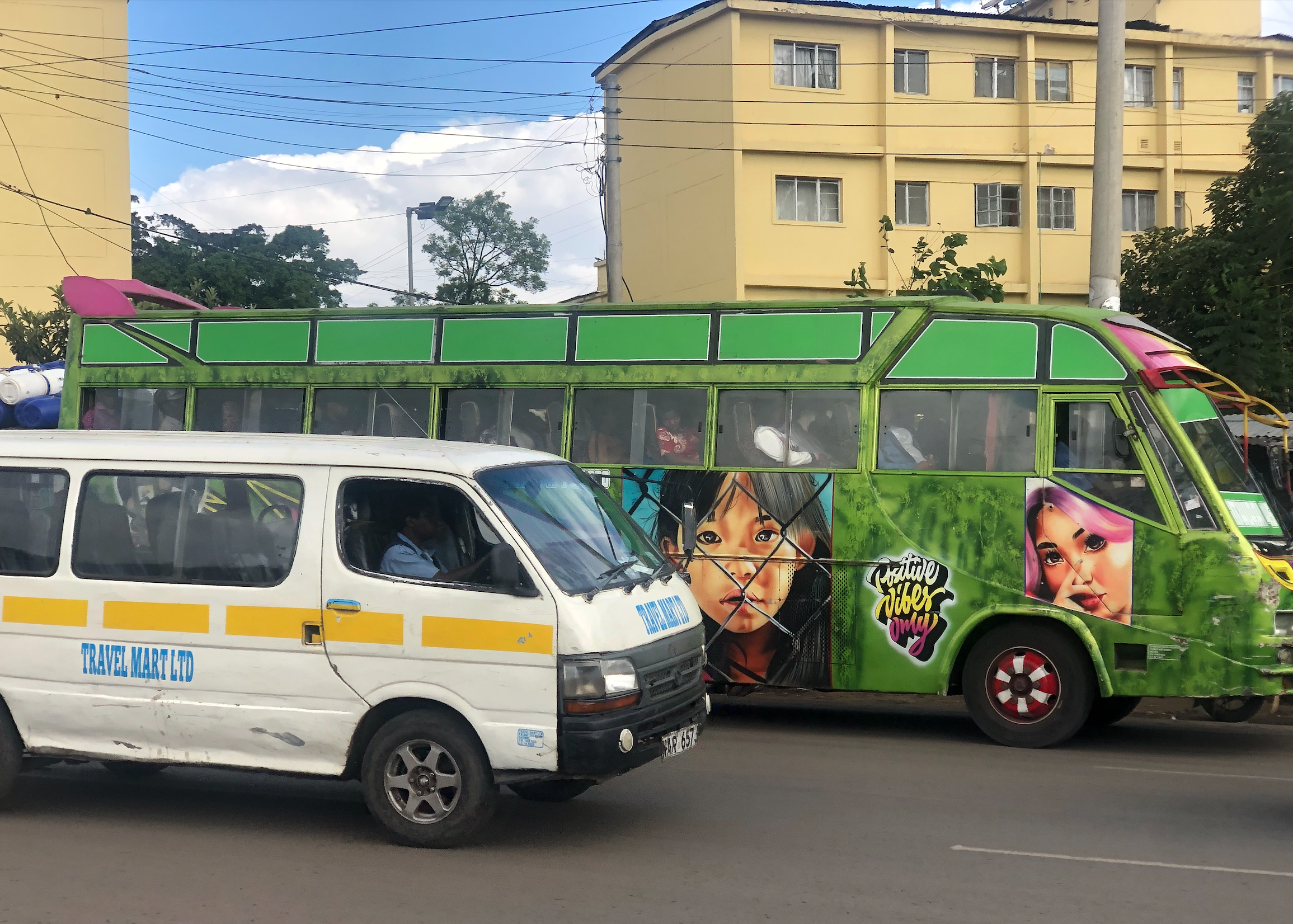
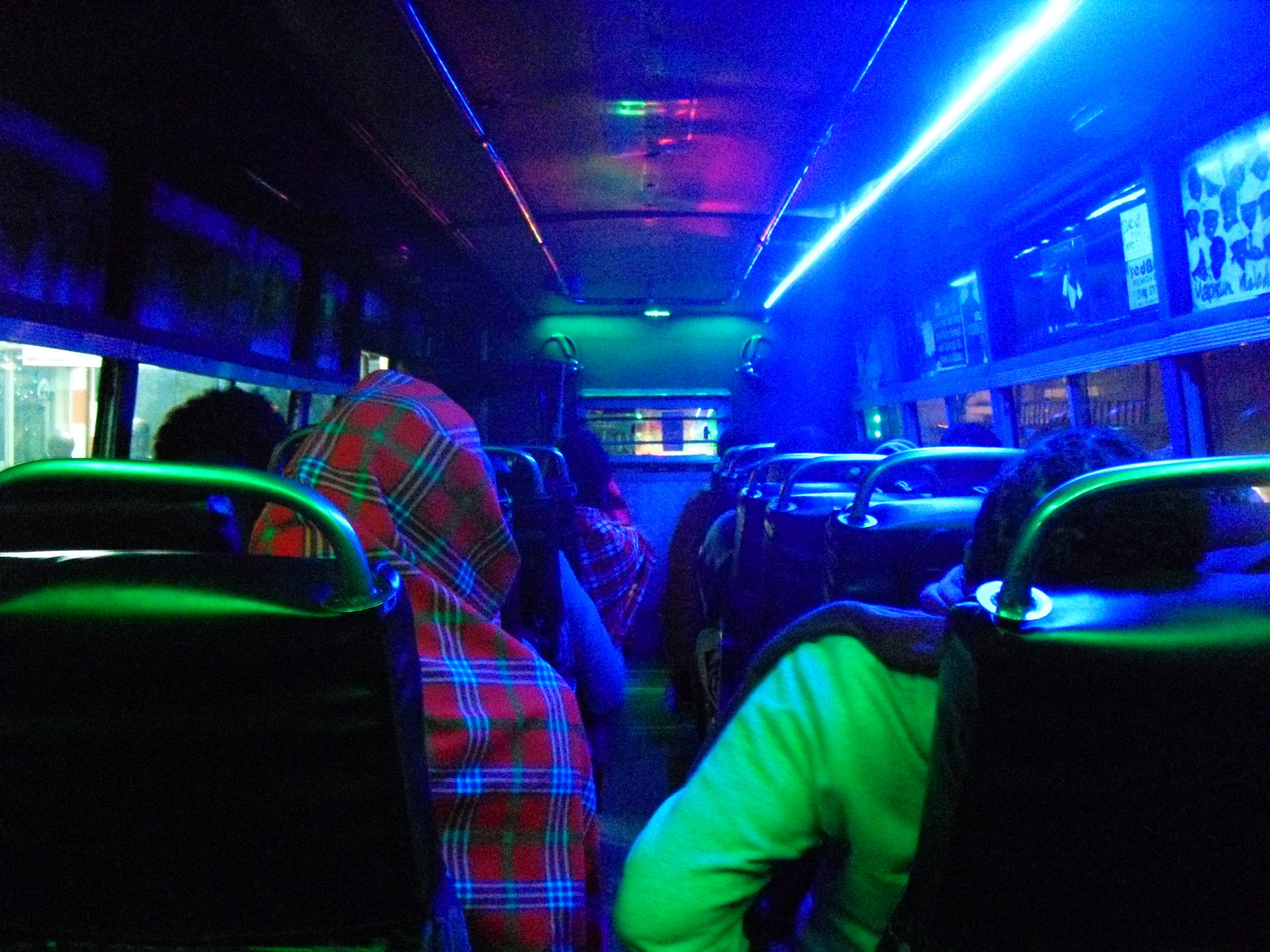
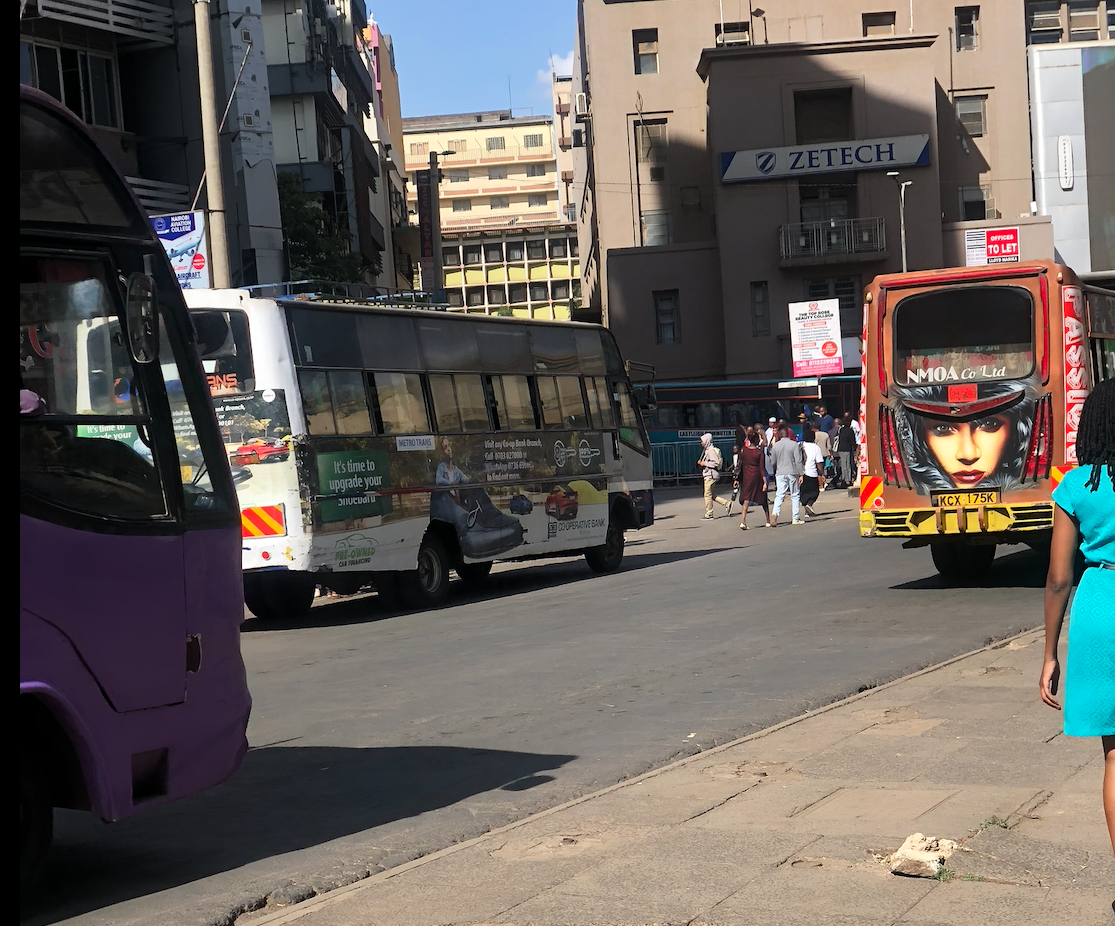
As ubiquitous as Kenya’s telecommunications giant Safaricom, Nairobi’s matatus – the sometimes rickety mini-buses with their audacious drivers and spirited bus conductors – keep the city running. These individually decorated vehicles are how a lot of folk move from place to place within this vast city, and how I found my way to the University of Nairobi’s Architecture, Design and Development (ADD) building, where I had been invited for a book launch – the subject of which inspired this piece.
Not taken for their glamour or ease of comfort, the buses remain the most affordable – and therefore, most common – means of public transportation, and it’s in this mundane space that 3D artist and product designer, Adam Yawe, found a spark of creativity that has led to a unique artistic endeavour. Essentially, he found beauty in one of the most unlikely parts of the matatu – its speakers.
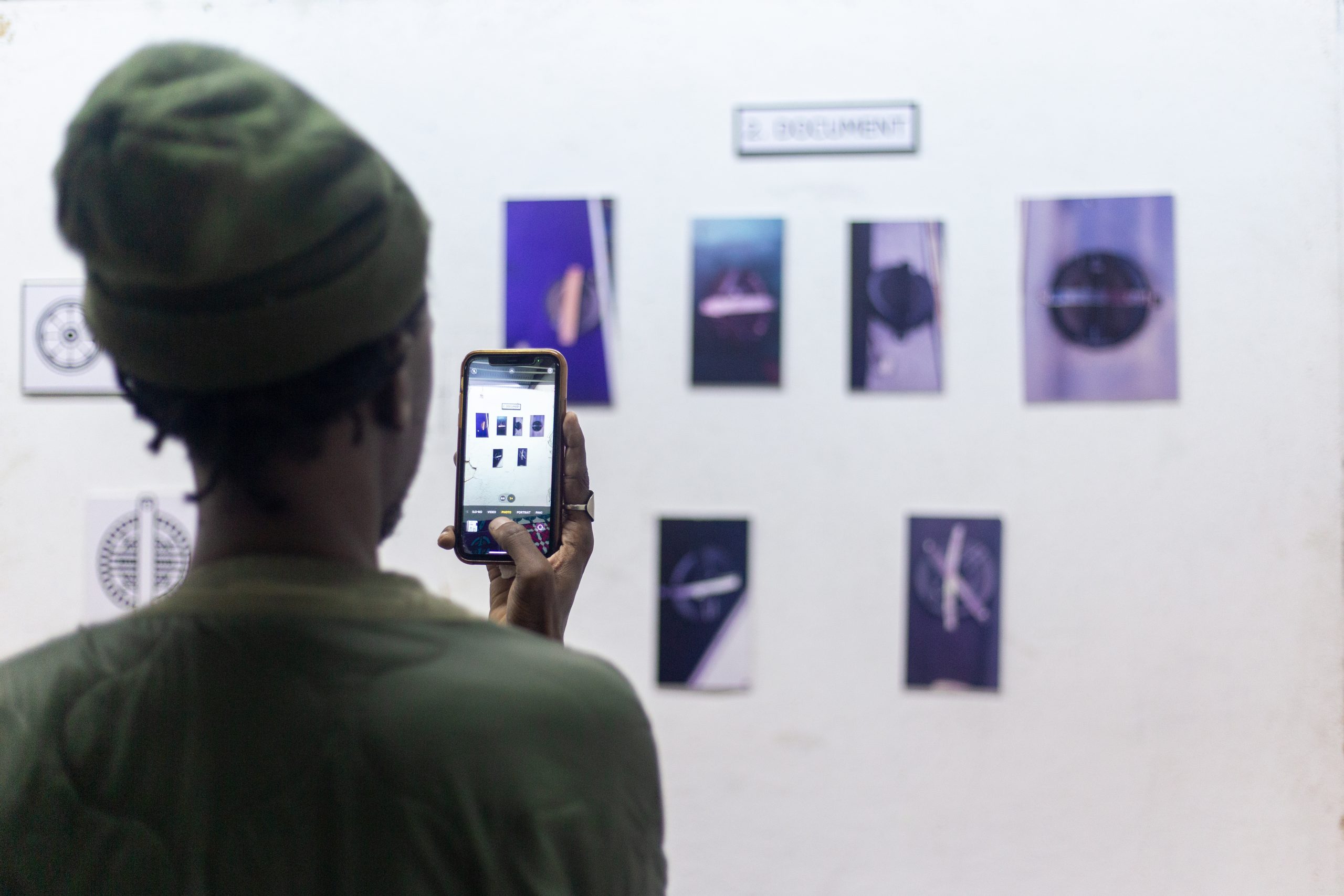
In what might be viewed as crude but innovative fashion, Kenyan artisans have found a secure way to mount these devices to prevent thieves from easily making away with them. The speakers are attached to the inside of the matatu, then fastened by strips of metal arranged across them, and riveted firmly into place. This isn’t necessarily pleasing, aesthetically, but it’s highly effective, making the entire contraption sturdy and impregnable. Drawing inspiration from this, Adam – via his collaborative launch event – showcased a series of design ideas that included fabric pieces, and wall displays featuring a pictorial summary of his artistic practice, which is explored in his book in far more detail.
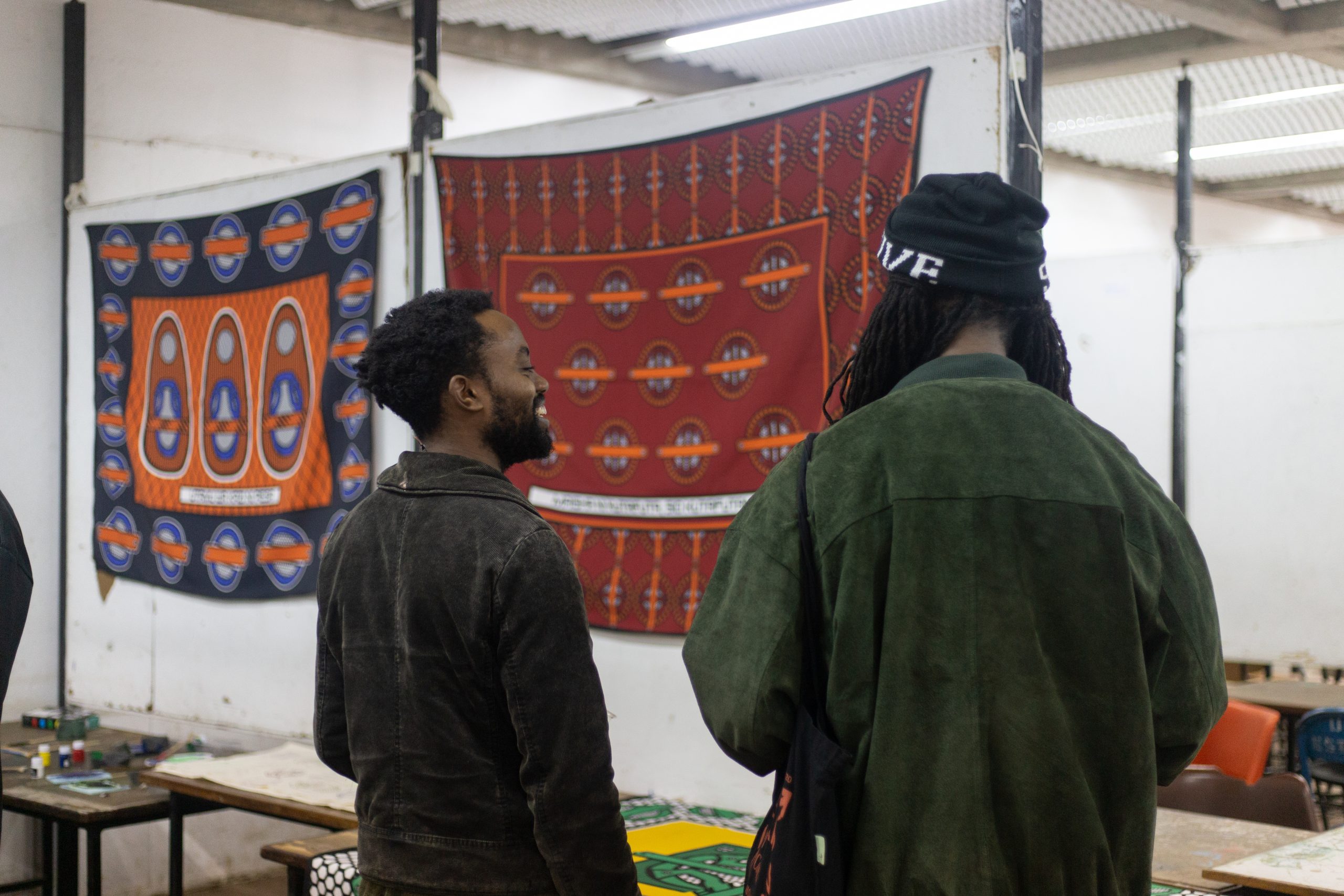
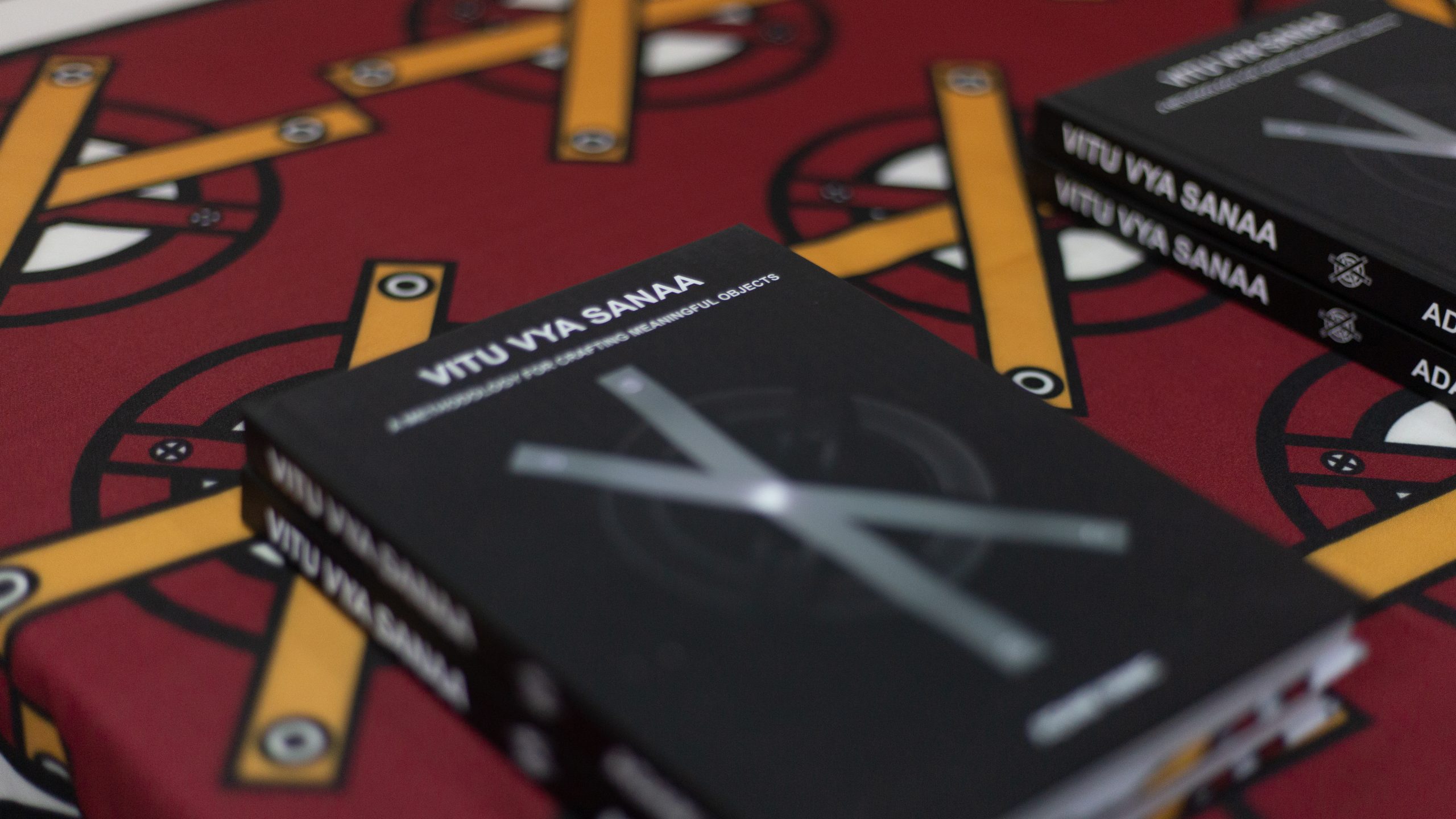
So, what is this practice? Adam calls it Vitu Vya Sanaa, a methodology that seeks to explore urban [Kenyan] material culture – things in the here and now as opposed to the traditional material culture of the past.
It takes a different approach from the Sankofa philosophy and practice of the Akan in my home country Ghana, where things from the past are revisited to inform what is created in the present and future. In combining this project with the matatu speakers as his case study and proof of concept, Adam has outlined a creative process through which other artists can seek out and develop motifs and designs using objects encountered on their daily life journeys. These can be incorporated into whichever art form they work in – from painting and sculpture to textile-making and jewelry.
Brilliant, simple, and very replicable, Vitu Vya Sanaa posits four distinct stages for making magic from the everyday: observation, documentation, replication and transformation. In this case, Adam’s initial perception of, captivation by and connection to the matatu speakers would constitute the first stage. His observations revealed a myriad of ways artisans have worked to mount these speakers. The more he discovered how differently these speakers were fastened from matatu to matatu, the more excited he got about the prospects this presented.
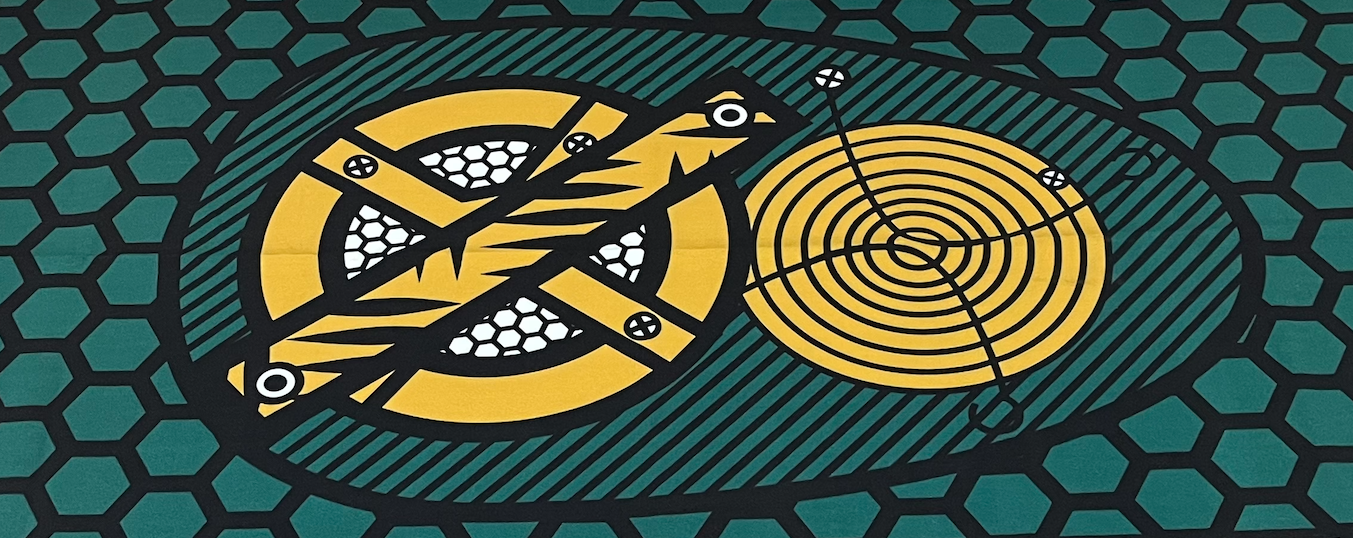
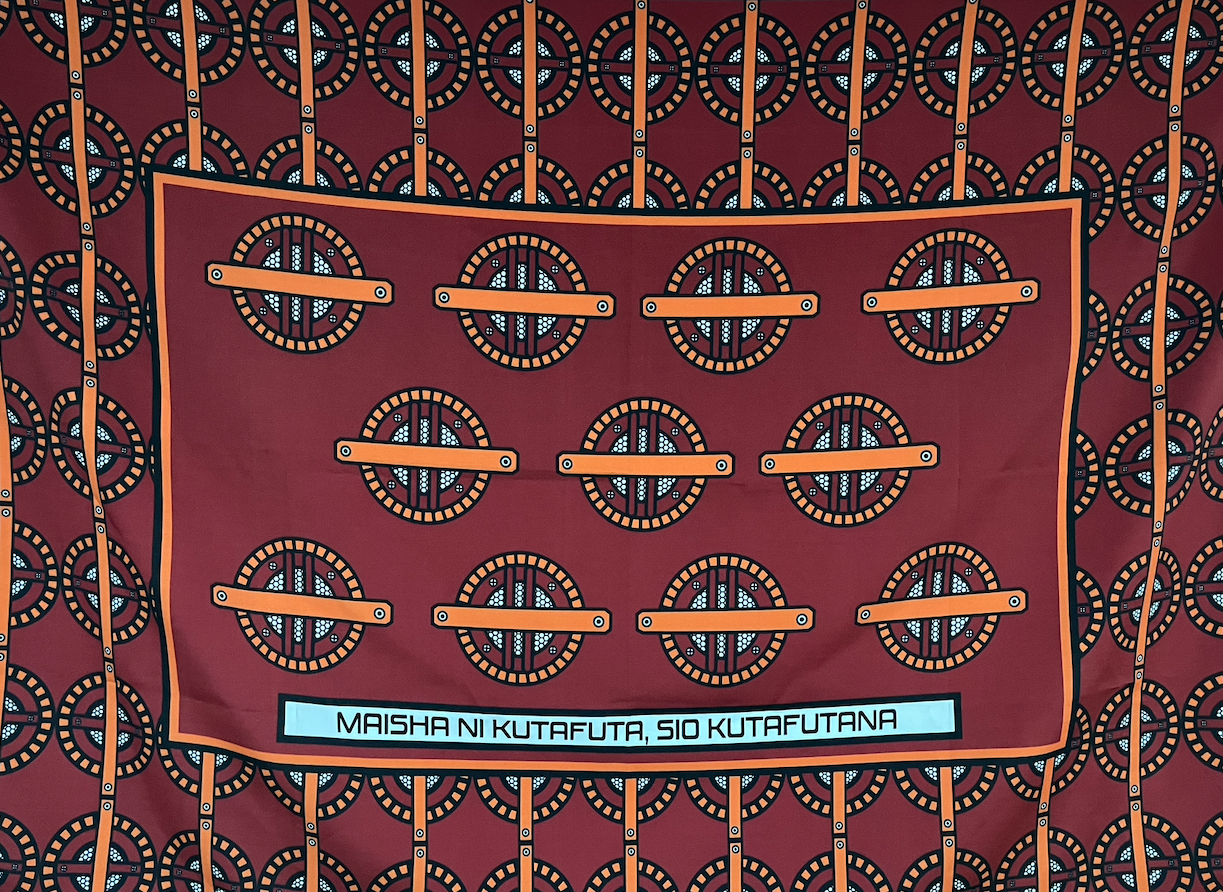
Documenting this was the next step. Over a three-year period, Adam took as many photos of the various speakers as he could whenever he commuted by bus. Around thirty images are displayed in his book, but hundreds more remain. He then turned to replication. Using the software applications Blender and Inkscape, the photos were 3D modeled and then rendered as 2D vectors. Finally, and in what I imagine must be the coolest stage, Adam worked on transforming these 2D replicas into designs, which he then used for actual products – right before me in the venue’s exhibition area, these renderings had become beautiful design patterns on colourful fabric.
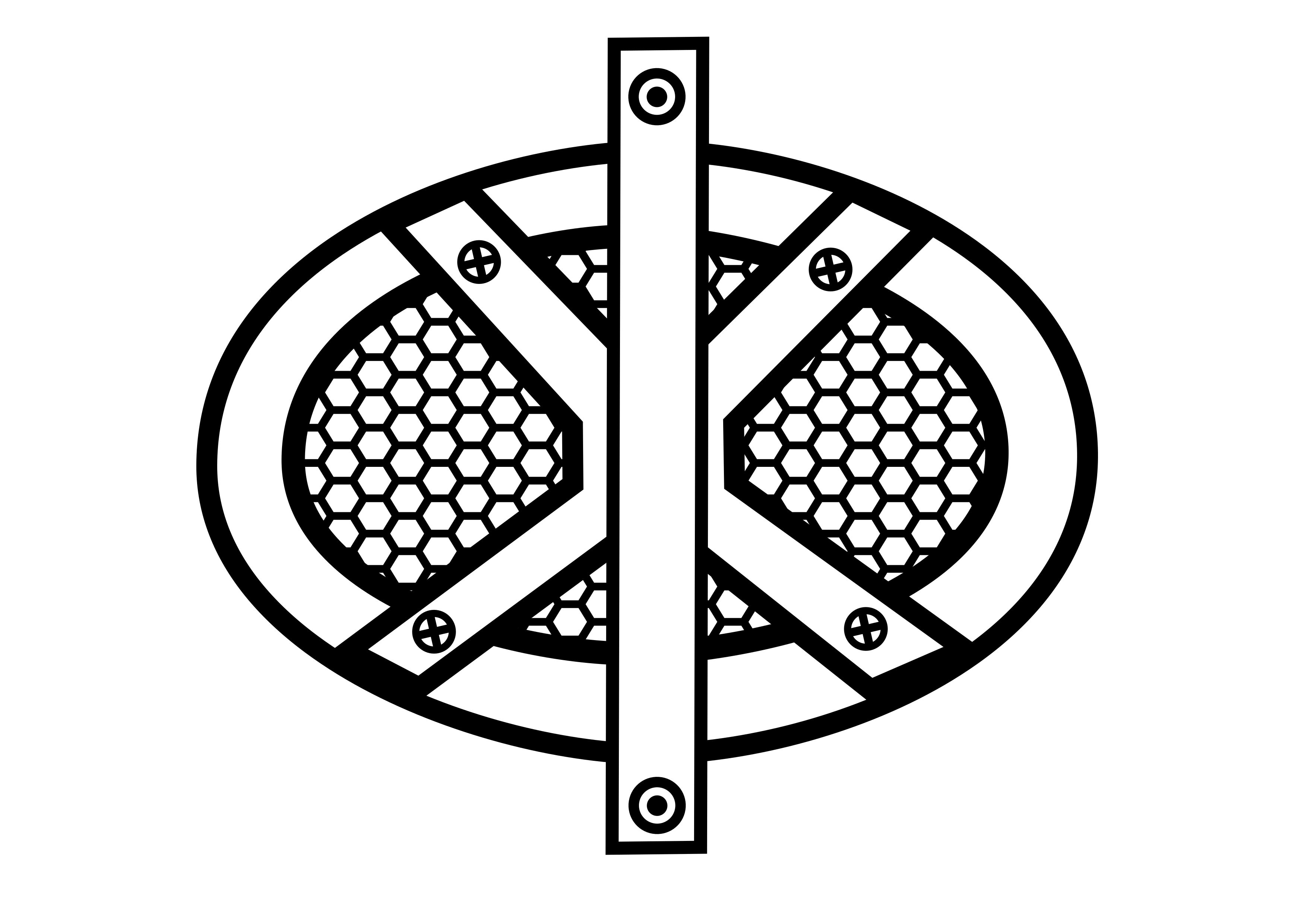
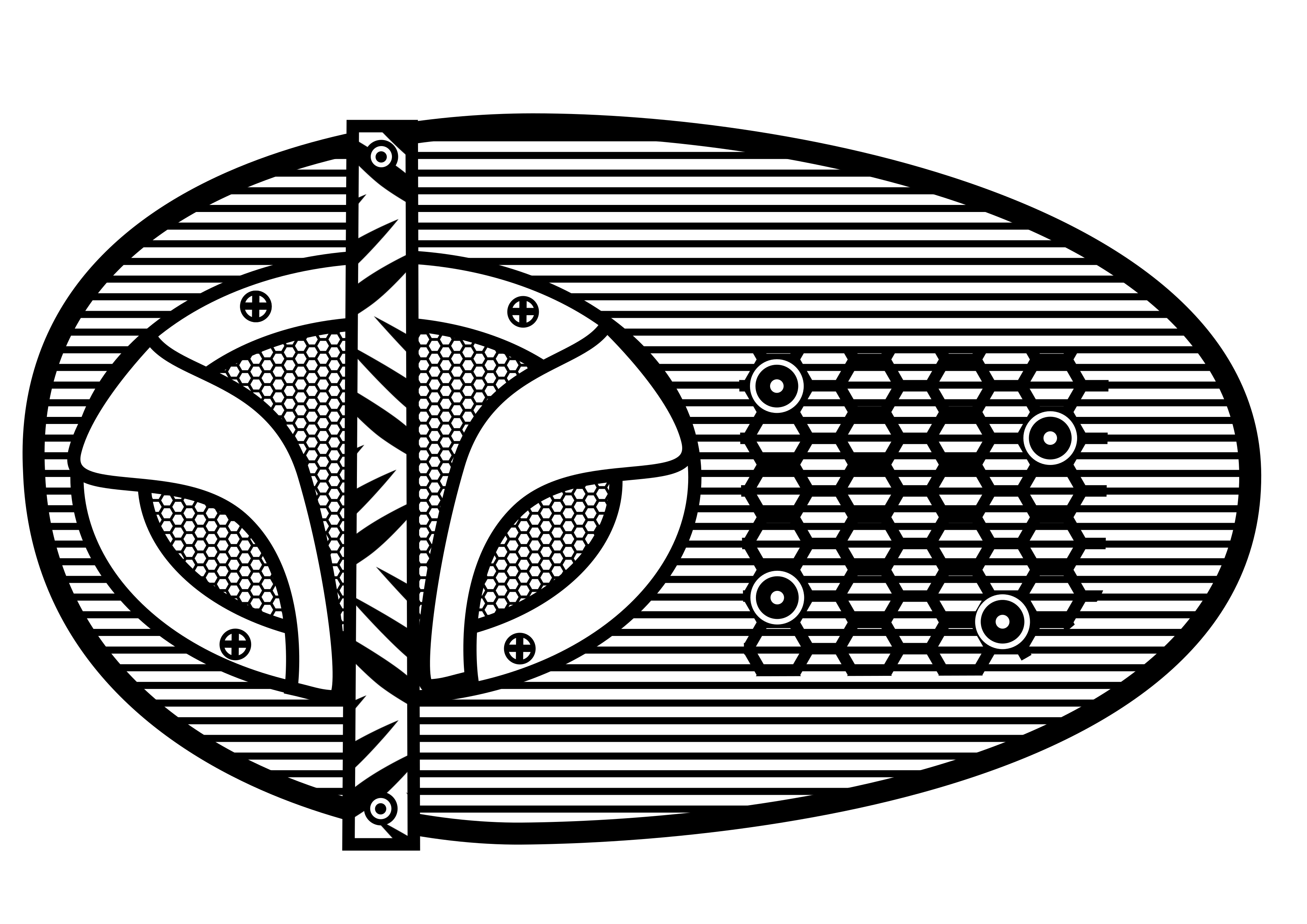
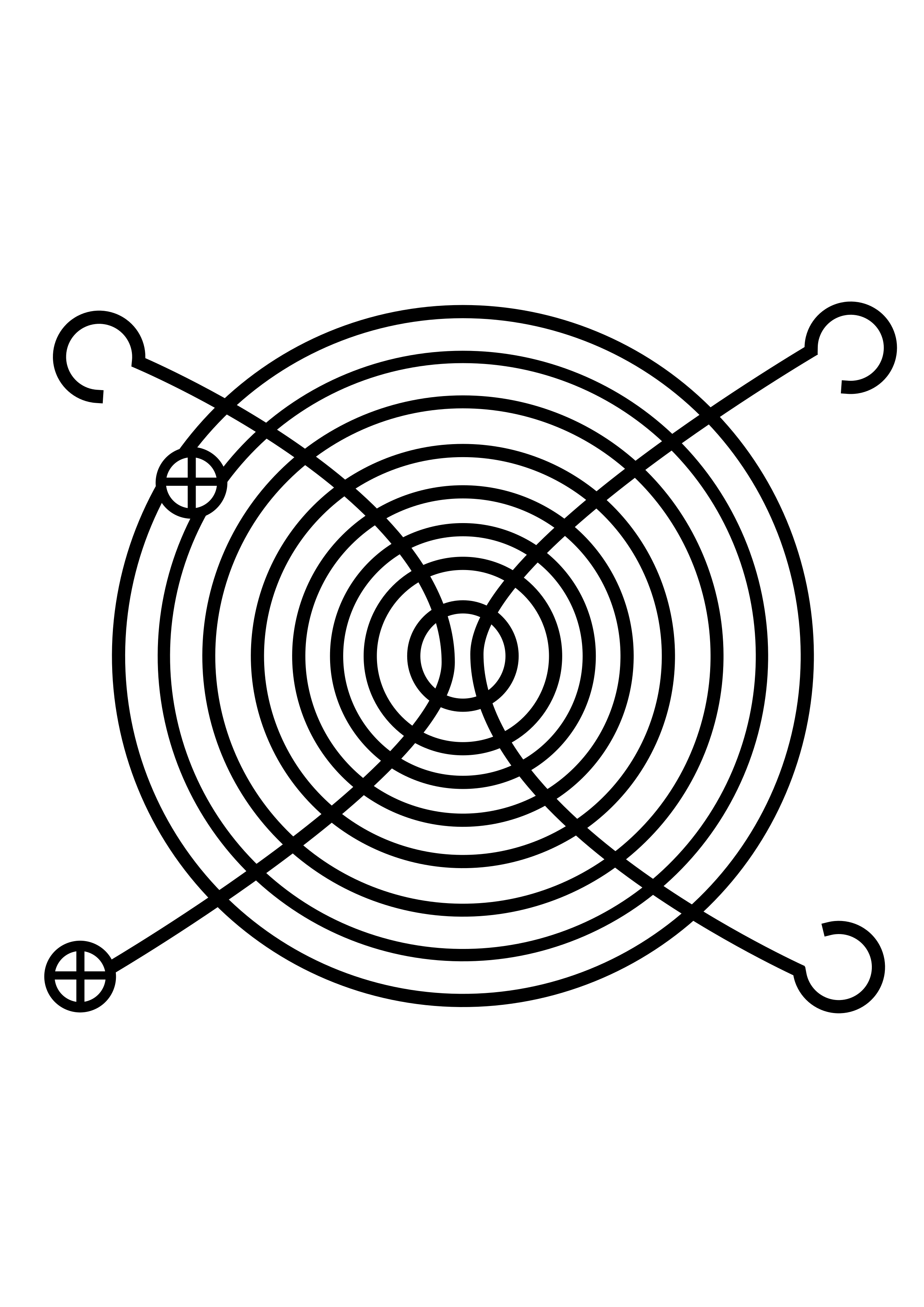
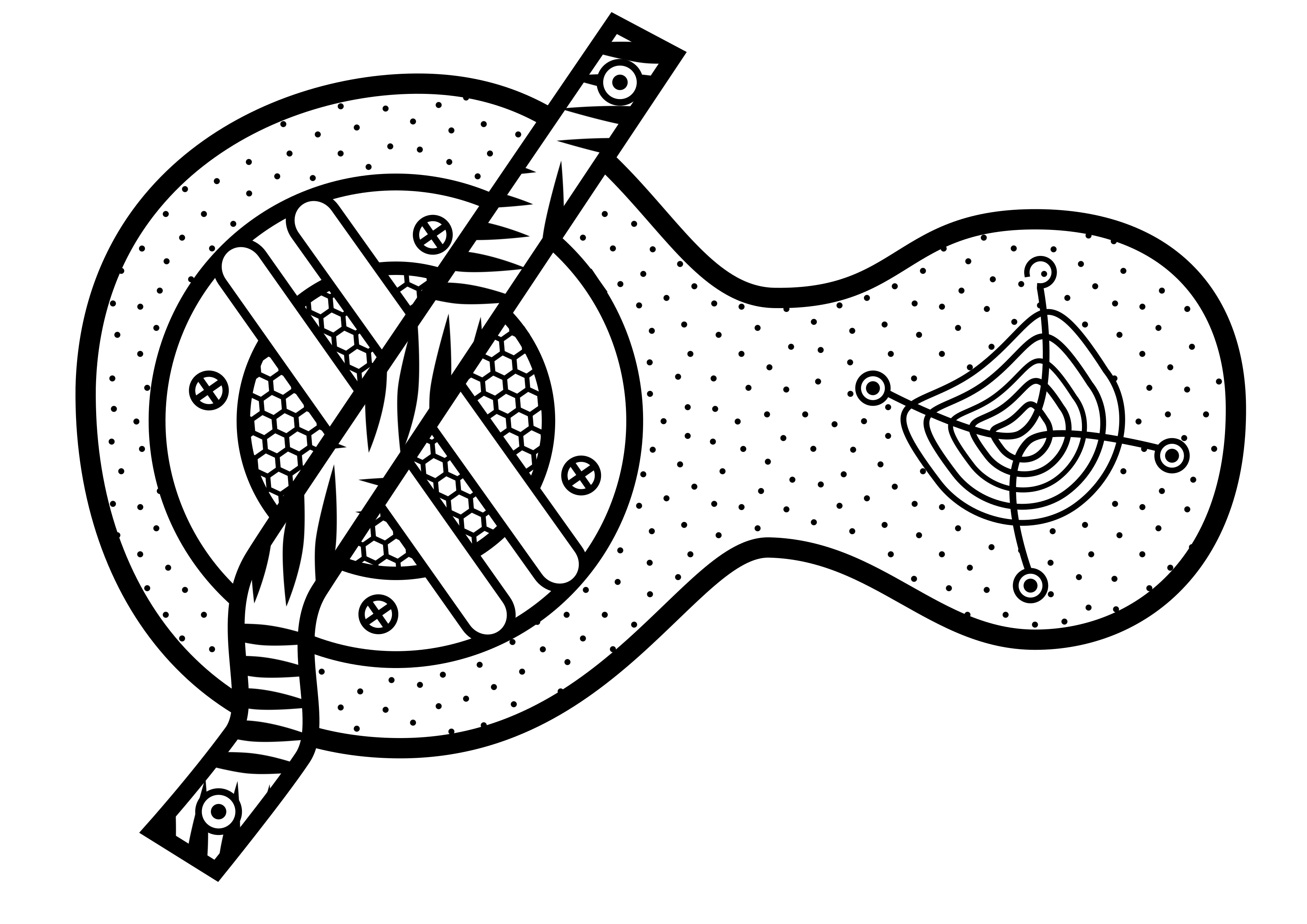
Adam’s vision for Vitu Vya Sanaa is huge and far-reaching. He believes there are endless possibilities in architecture, fashion, visual art, 3D design, handicraft and so many other practices to create innovative products based on everyday [material] items.
One of the main motivations behind his work is ‘reframing how people view these objects.’ While he has put his research into print, his findings and the 2D vector renderings of the matatu speakers are also freely available online. Anyone at all can access, study and use them to make whatever they want.
Believing that the work should be open source, Adam’s goal is to encourage creativity and innovation, and he does not see how he can lay claim to inspiration derived so directly from his urban environment. ‘If you go out into nature and use a leaf as inspiration for a work, the plant doesn’t ask you to pay royalties and it doesn’t mean that you now have ownership of that plant. So, I’m trying to make the work feel a bit more like nature in that way.’
After the launch, I took a cab back home instead of a matatu, as it was raining and there seemed to be nowhere to stand to wait for a bus. As the rain let out its frustrations on the windows of my ride, I found myself looking more curiously at some of the goings-on outside, wondering what the next ordinary object or experience would inspire. The spirit of Vitu Vya Sanaa may well have taken me over, and perhaps now I too might find something from my day-to-day that I can make into something truly magnificent.