(also dedicated to NIKABOU Kpante Dodzi, BEBEYI Afi Sandra, Jonas Kangni, Elom 20ce, Romeo (Romy Jamx), and Komivi Atandji—bon peuple africain)
Emomé. The name is of essence. It’s from Mina, one of the national languages of Togo, and it means in the streets. They are sites of acceleration, streets. In one sense the principal actors in the act of said acceleration are wheelers—bicycles, tricycles, motorcycles, cars, buses—vehicles made to speed up natural modes of locomotion. In another sense, the streets are where the people are; where, to survive, one is obliged to be sharp, to not be slow. It is noteworthy what cultural critic Walter Benjamin writes about streets in Arcades Project: Streets are the dwelling place of the collective.
The 6th edition of the Emomé Art Festival happened between June 21 and July 1 2023, in the Togolese cities of Lomé and Kpalimé. Emomé is an avowed festival of the streets (“Festival … dans la rue”), and this year’s theme was almost too true to character. Les Corps en Mouvement dans des Territoires en Mutation: Explorer L’identité. (Bodies in Motion in Mutating Territories: Exploring Identity.) Bodies. And so much motion.
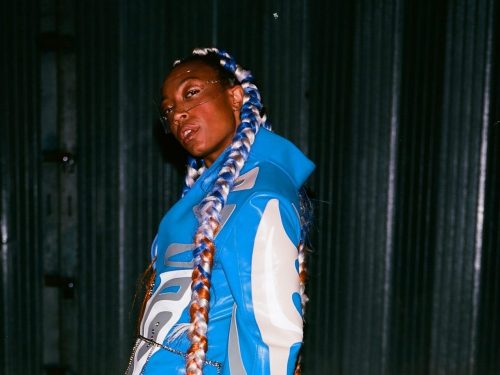
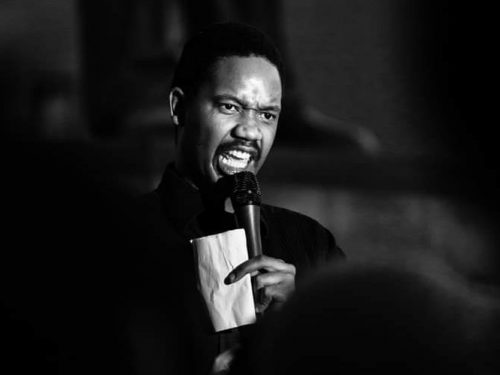
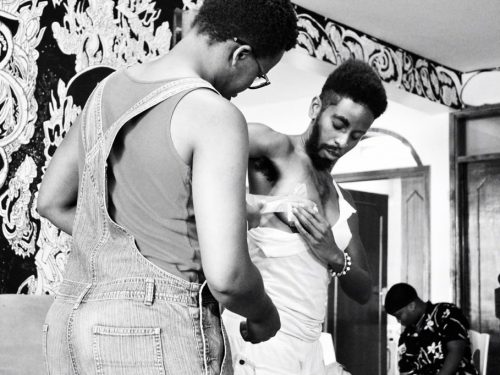
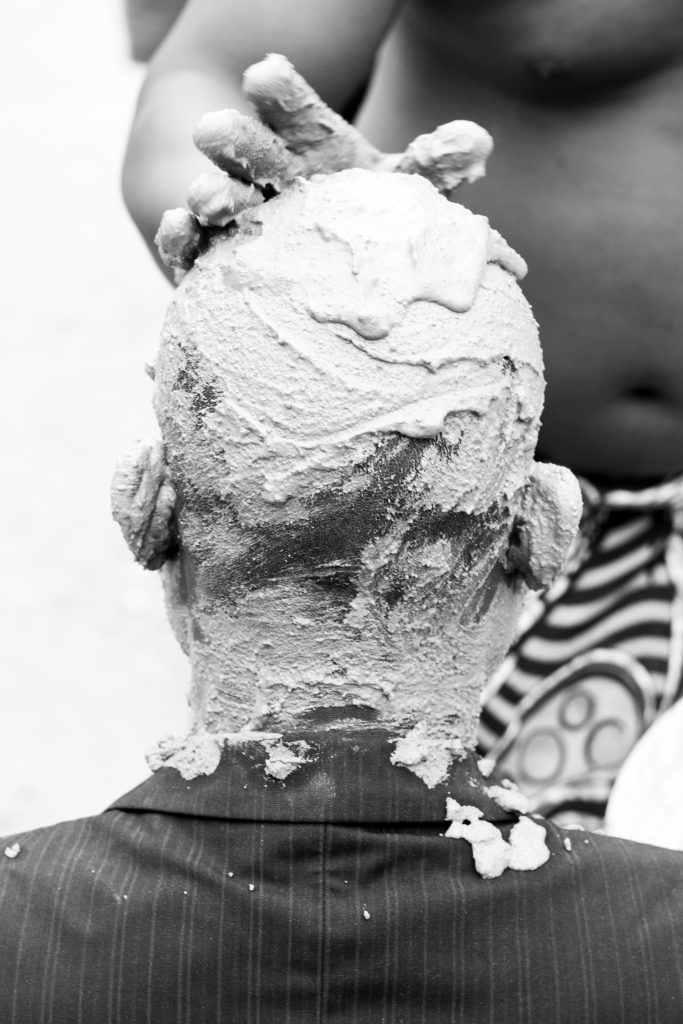
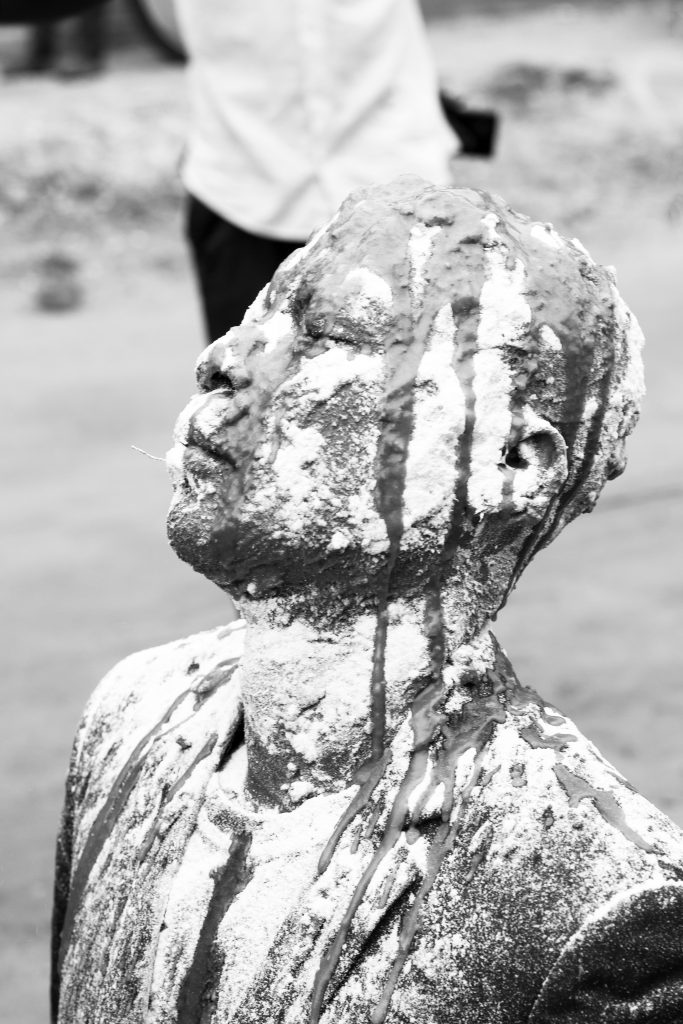
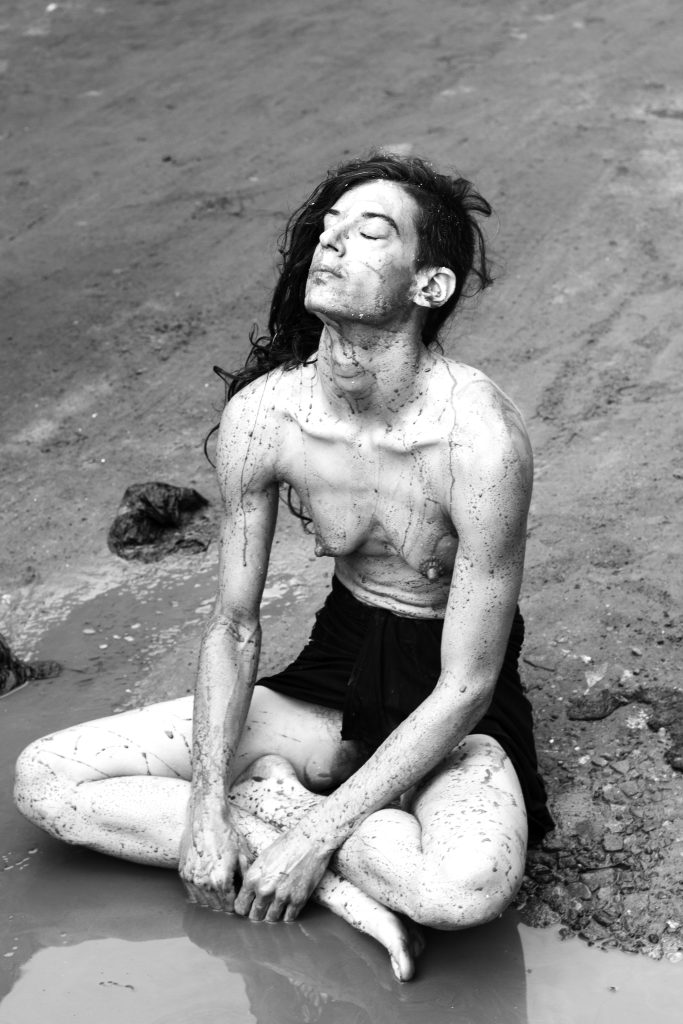
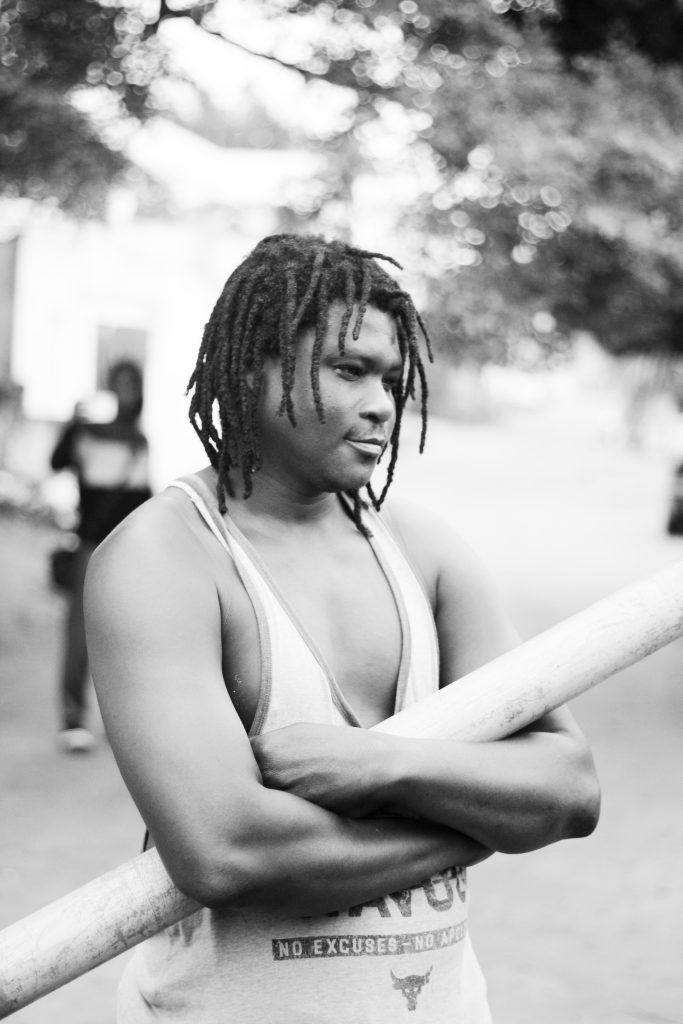
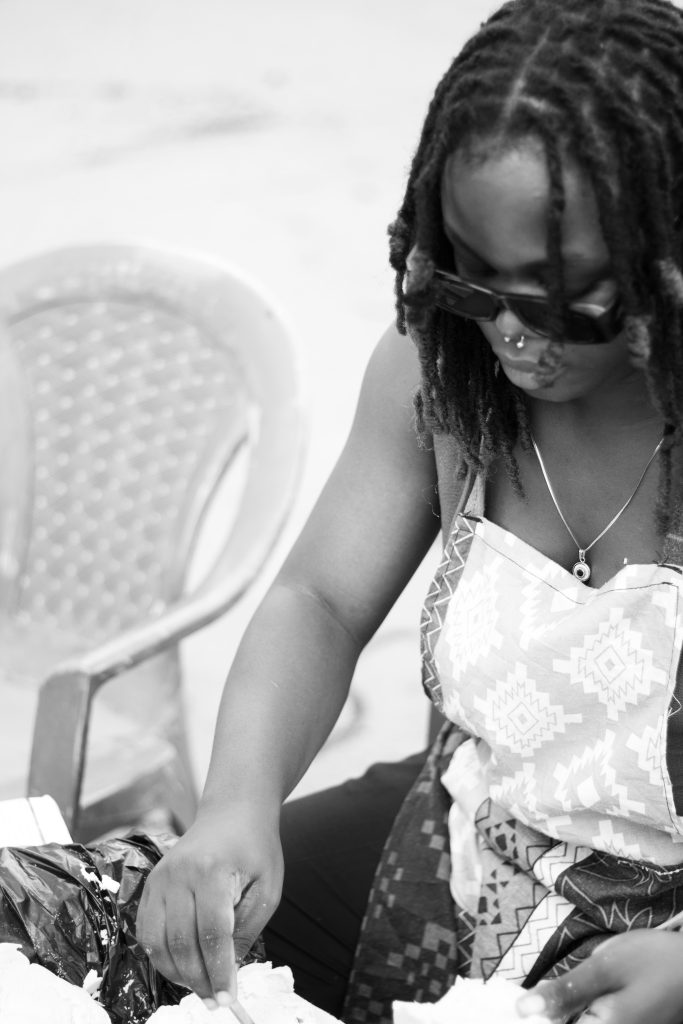
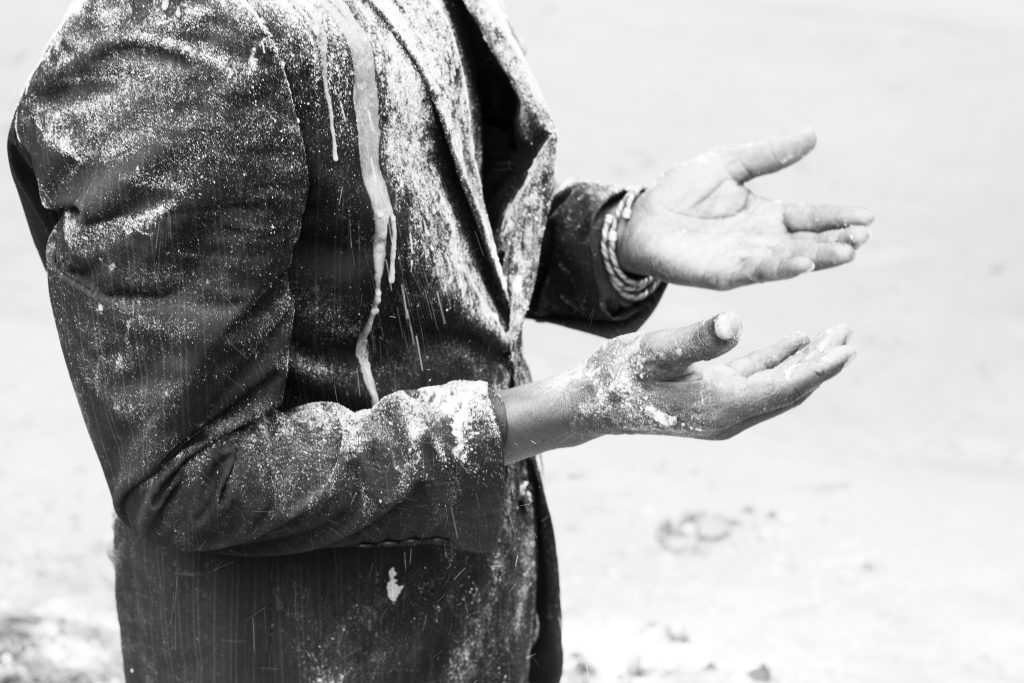
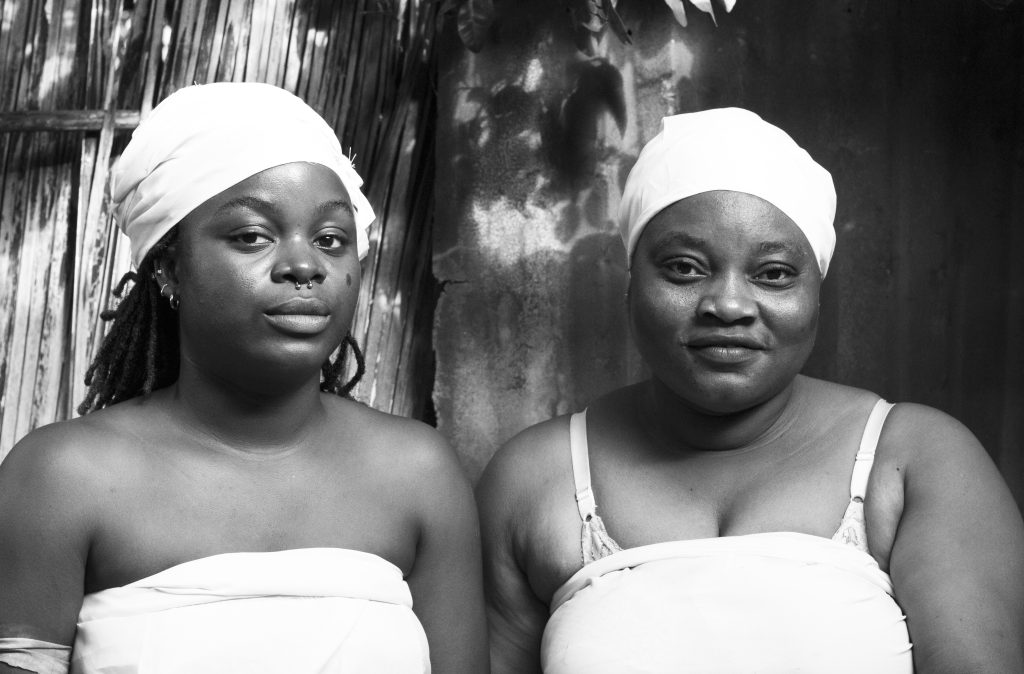
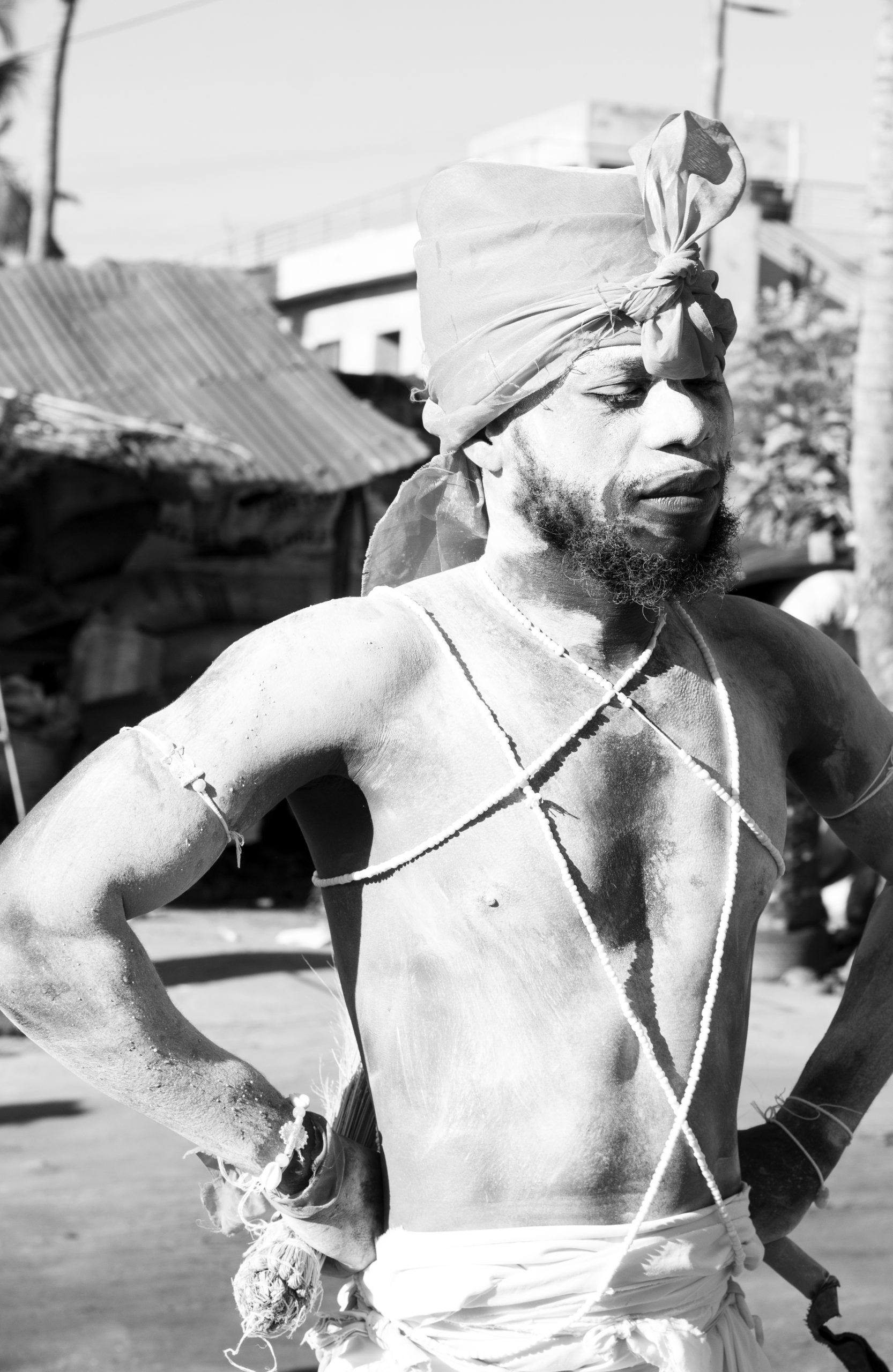
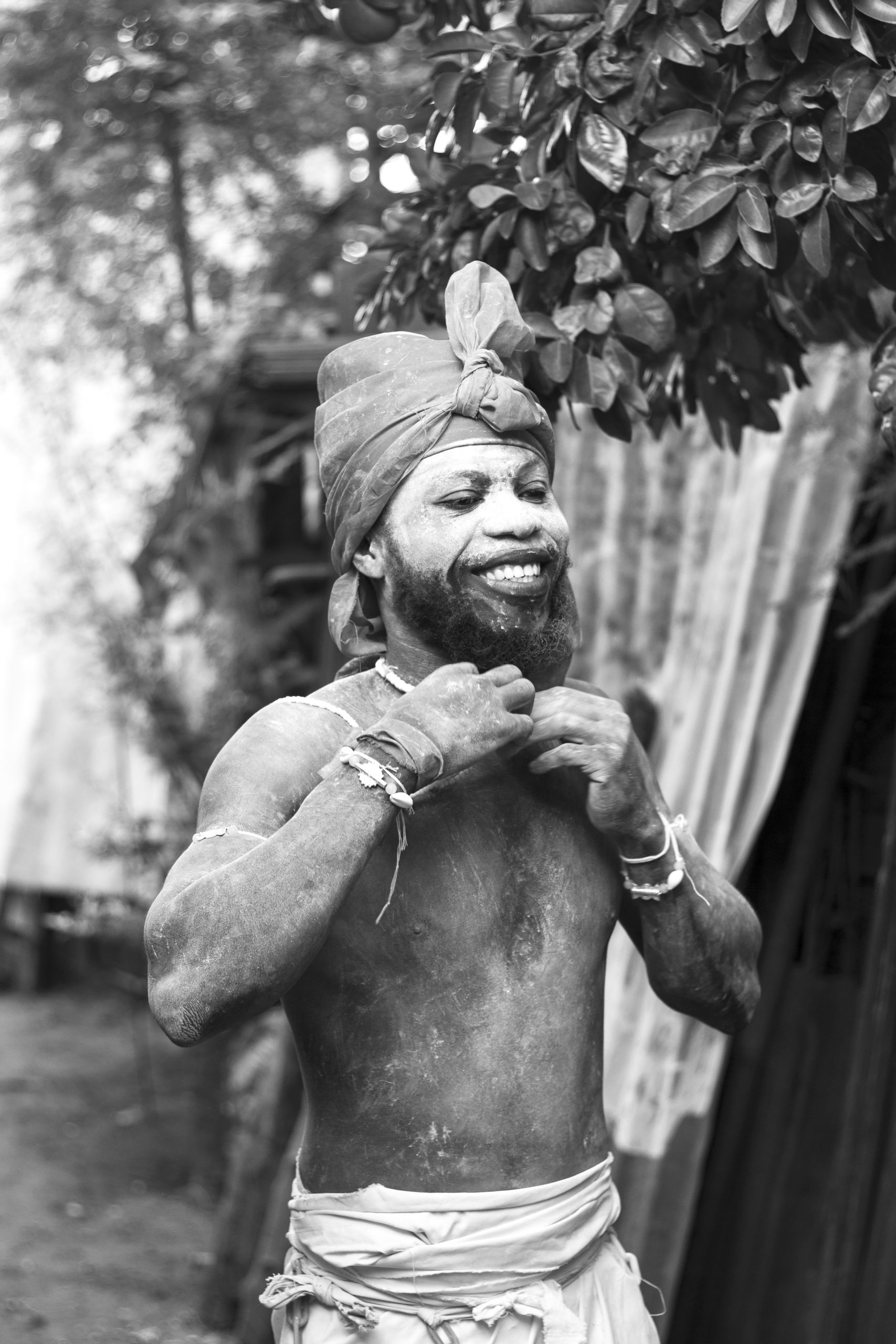
I was supposed to return from the festival with a photo essay (at least, I reasoned, as my own way of participating in the festival as an artist, if belatedly). And if I was going to do that, I wanted, almost literally, to respond to the theme; to attempt to capture something of not only the bodies in motion, but of the mutating society within which they moved. This posed quite the challenge for me, whose artistic sensibilities have commonly bordered on the intimate, the almost-still, the slow. And there I was in the streets, at a performance art festival. Streets. Performance. Festival. All the operative words are busy words. What business did I have, in the face of such pacing and plurality, and armed with such artistic intentions, going there with a 50mm as the sole lens in my meagre toolbox—a lens which essentially prioritises the subject and relegates their environment into a blurred obscuration? To photograph a performance art festival? In the streets?
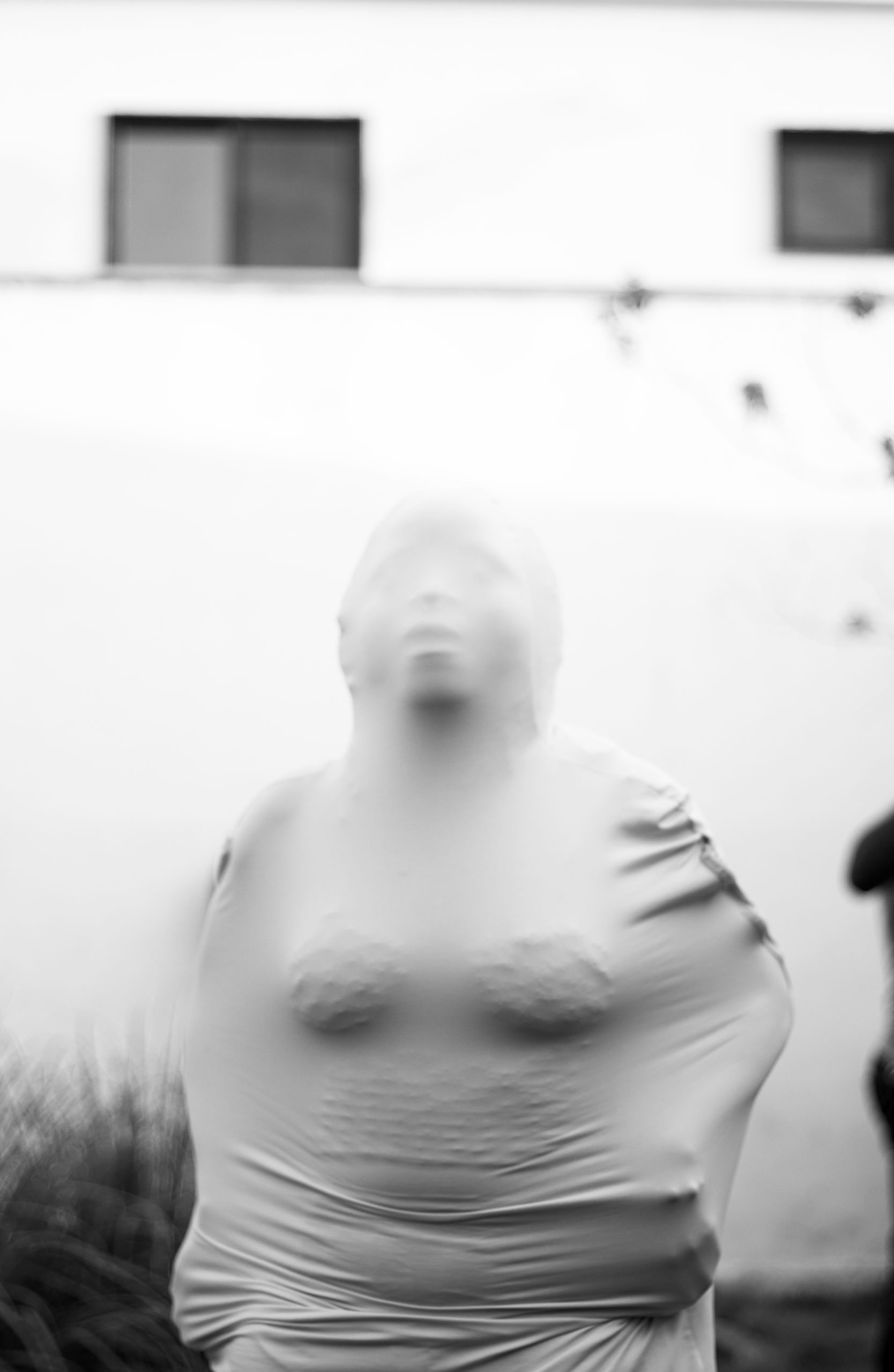

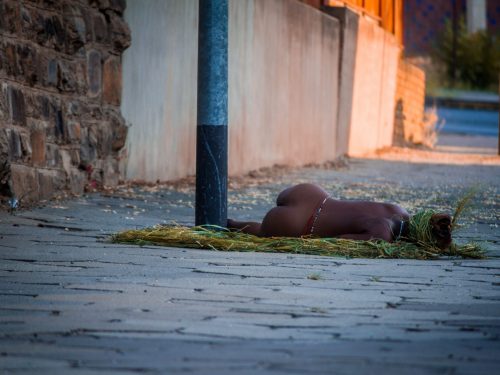
As far as events go, a performance art festival in the streets is spectacular in a dual sense of the word—captivating, sensationalistic. But to leave it at that is to be reductive. In Arcades Project, Walter Benjamin continues from where we left him earlier: In the street we can stand together in favour of an idea. Marching is an instinctive response to feeling wronged, or desperate, or compelled to make a statement. The performance art festival in the streets is not mere spectacle—it is also seeking right, expressing desperation; it is statement-making. It disturbs the engineered order of society—a performance in the nude; when traffic is slowed or stalled or rerouted and the like constitute disturbances of public order. The better, if one agrees that that kind of normative order we are bound to merely obey, is not really for the people. (On Thursday, June 29, the scheduled activity was a collective performance at the centre of Kpalimé, between all the performance artists. On the day, information arrived that said the act could not take place; because, Faure Gnassingbe, longstanding president of Togo, was visiting the city).
The Emomé festival is organised annually with paltry support from the private sector—and zero from the state—to the effect of financial loss to the self-funding entity. Ras Sankara Agboka, festival director of Emomé and performance artist (who was recently announced winner of the 2023 Ellipse Prize), attributes a significant part of this woeful lack of support to his sociopolitical activist inclination.
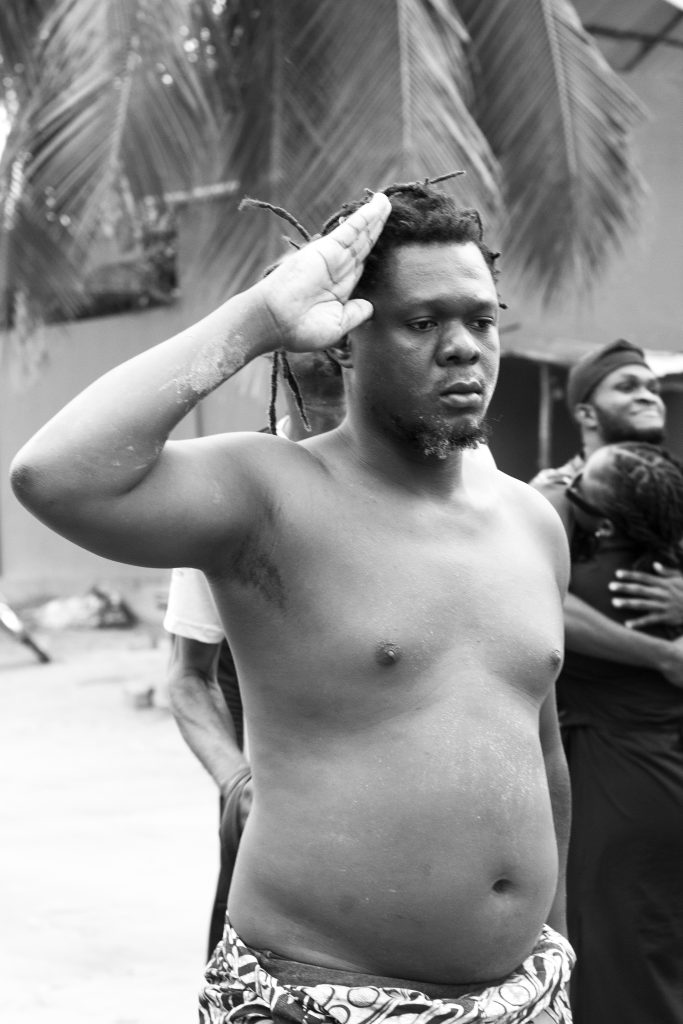
Sometime in 2017, Ras Sankara formed part of a movement of activist-artists who embarked on a several-weeks-long protest. They were all over in the streets of Lomé, marching against socioeconomic disenfranchisement of the people of Togo. State forces reacted; military men made arrests and meted out violence to members of the movement. A fraction of the group disbanded afterwards. Ras Sankara was a part of the other fraction that trudged through. Until one calamitous day, around Agoe, a district of Lomé, a gang of soldiers got down from their jeep and opened fire on the protesting group. Ras Sankara was hit; and his treatment required a knee surgery and a four-month stay in the hospital.
My thoughts returned to this incident a little while after the second morning of the festival. A posse, seated at a roundtable after breakfast, had launched into an unscheduled conversation on performance art. The performance artists present related the joys and struggles of practicing the art in their respective locales. I was moved to consider the implications of so violently impeding a performance artist’s motion; to rob them of prime instruments in their toolkit—a limb; any part of their body, really. I was struck by several remarks made during the roundtable conversation. Nicolas Aca, Resident Artist and Gallery Curator at Capitol University Museum of Three Cultures in Philippines, shared that: back home in the Philippines, some people regarded performance art as a mad person’s sport. And also, that he practiced the art for self-fulfillment, then all other things (including other mediums of artmaking like sculpture), for bread and butter—”because performance art is not about money for me; it is about soul.”

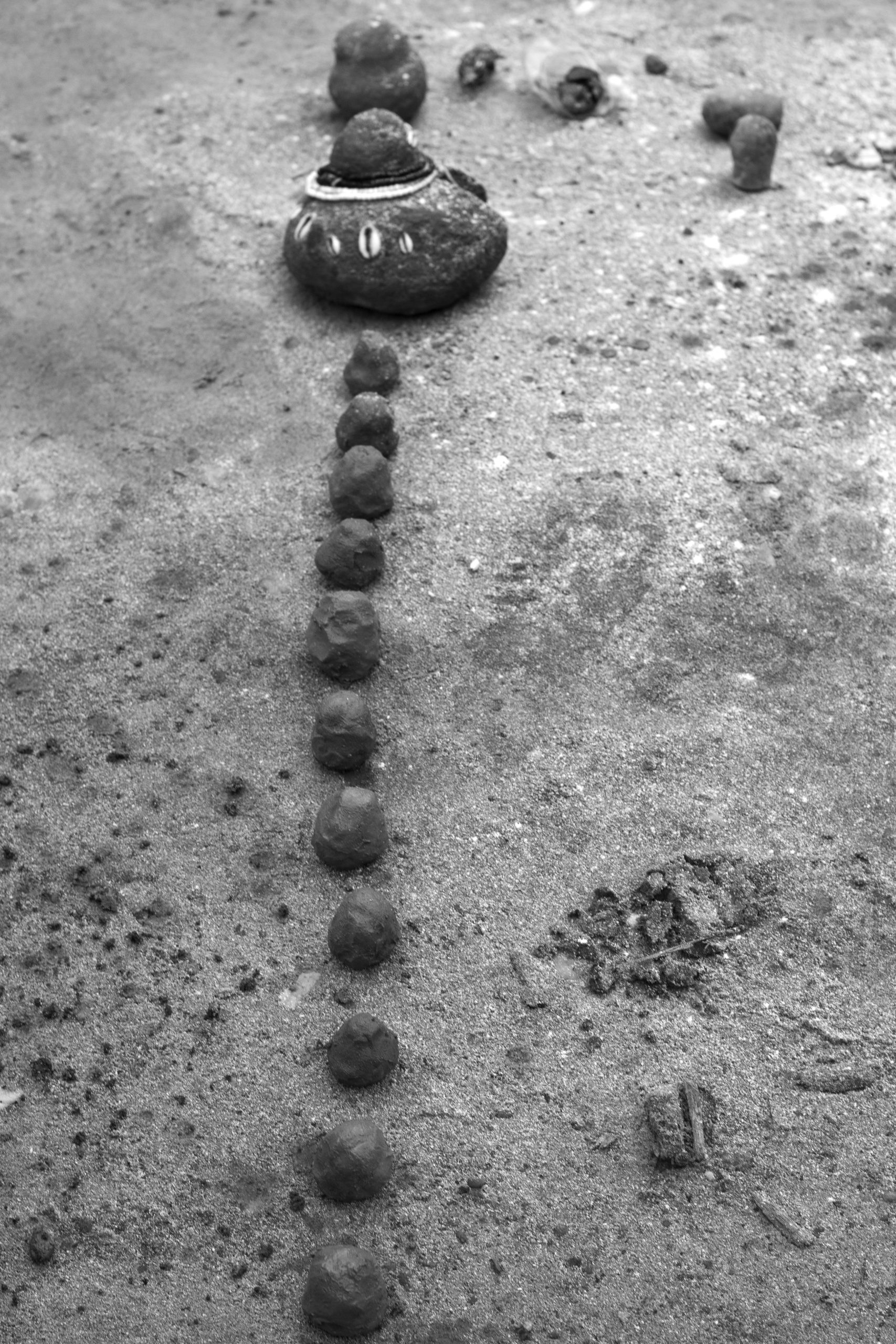

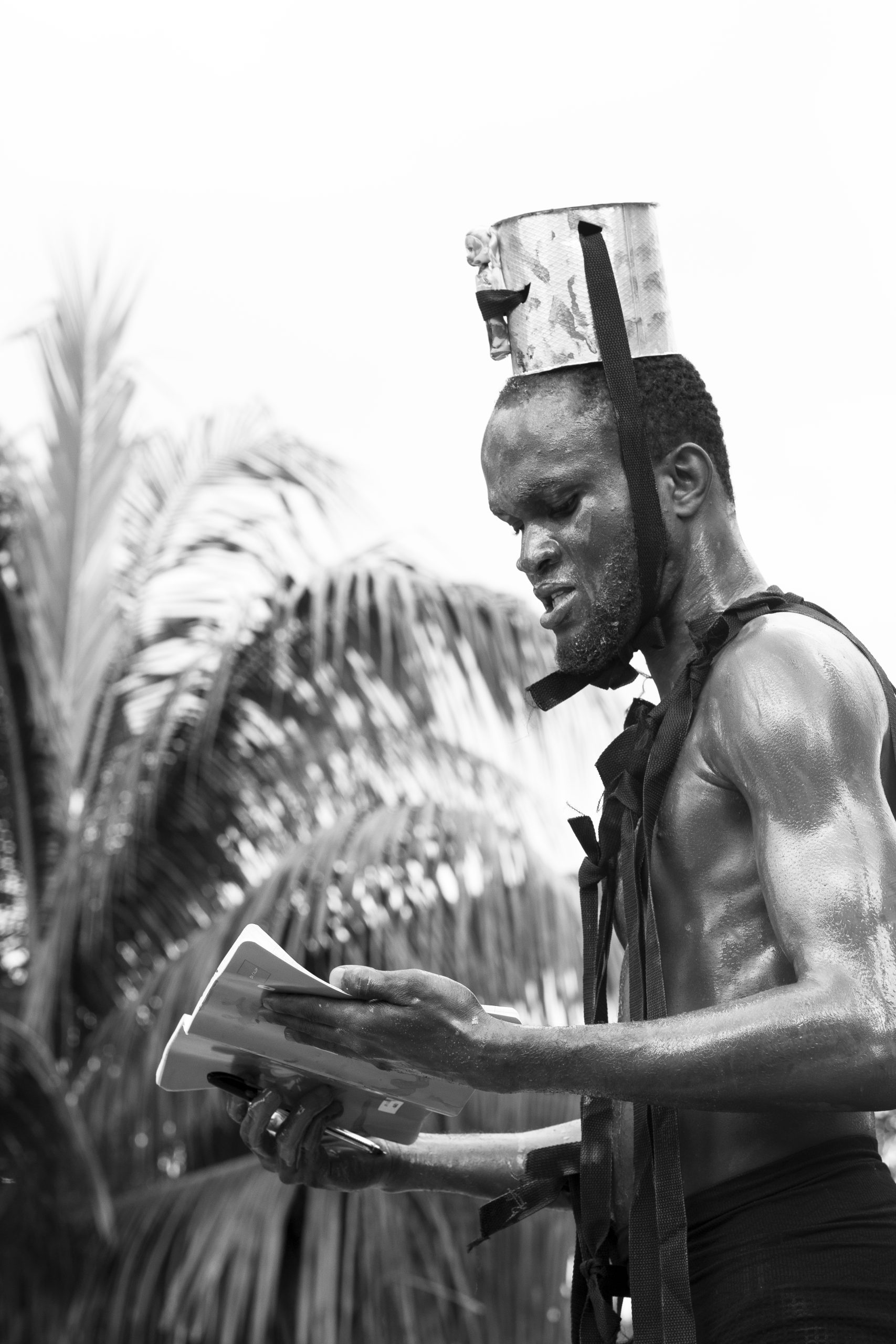
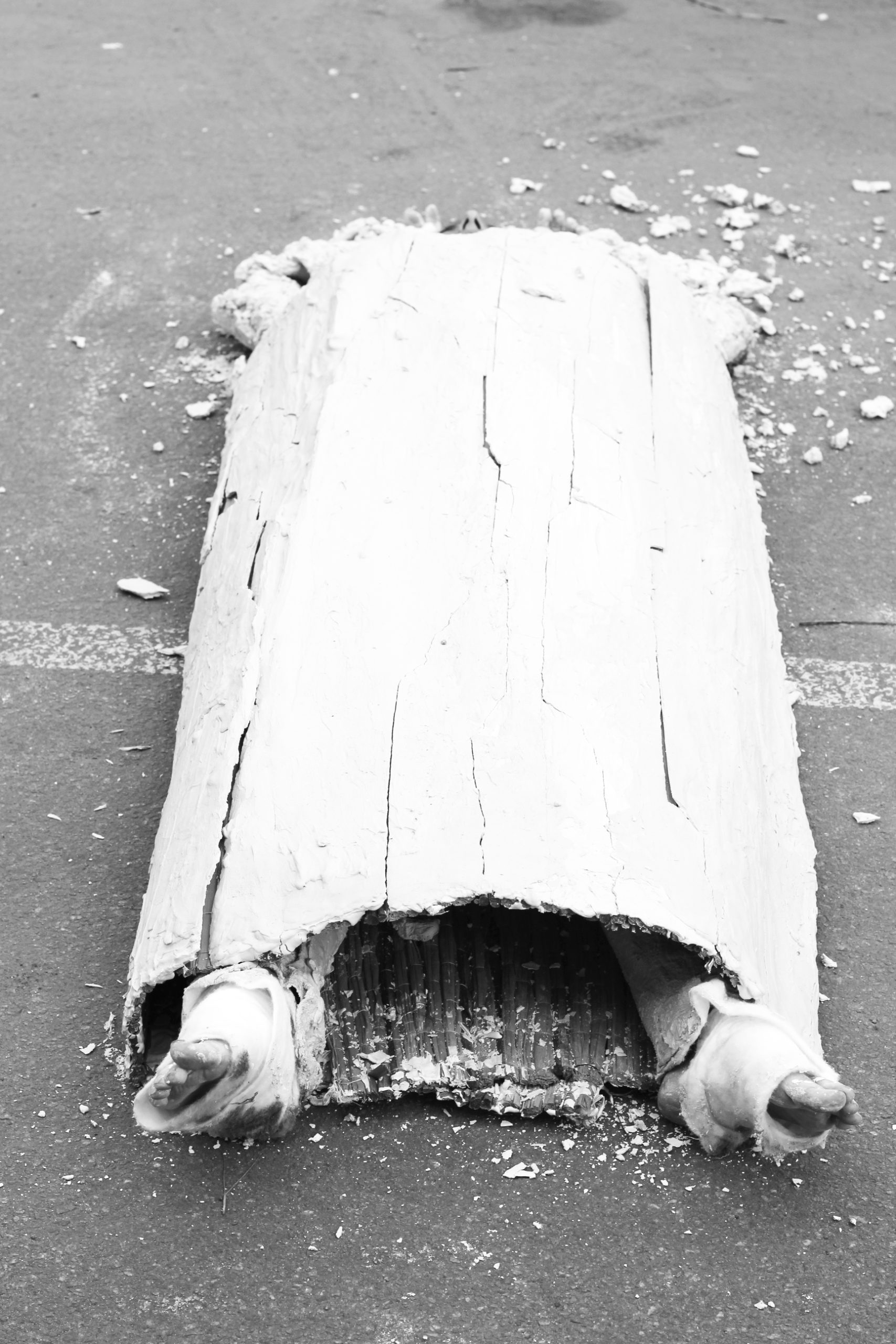
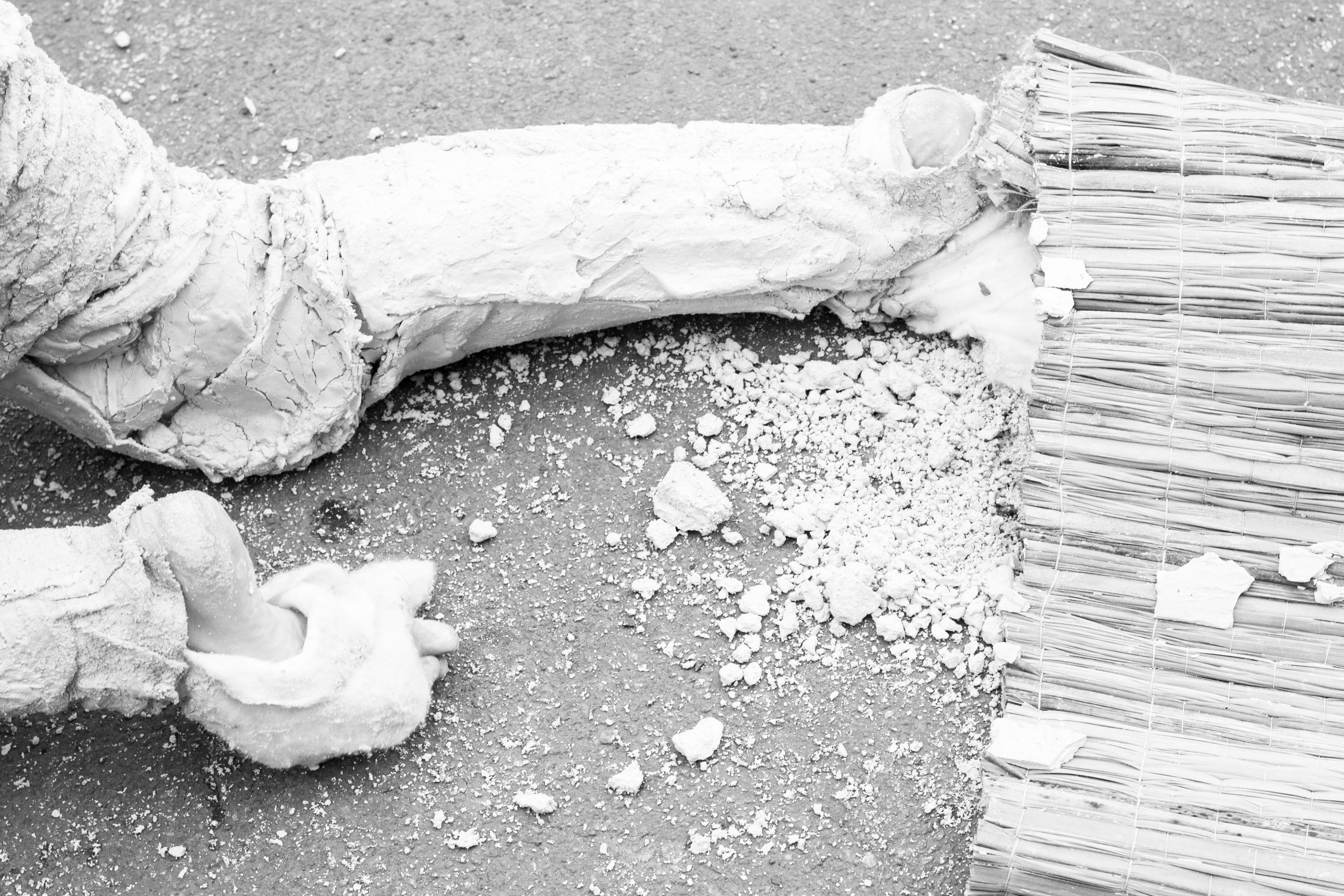
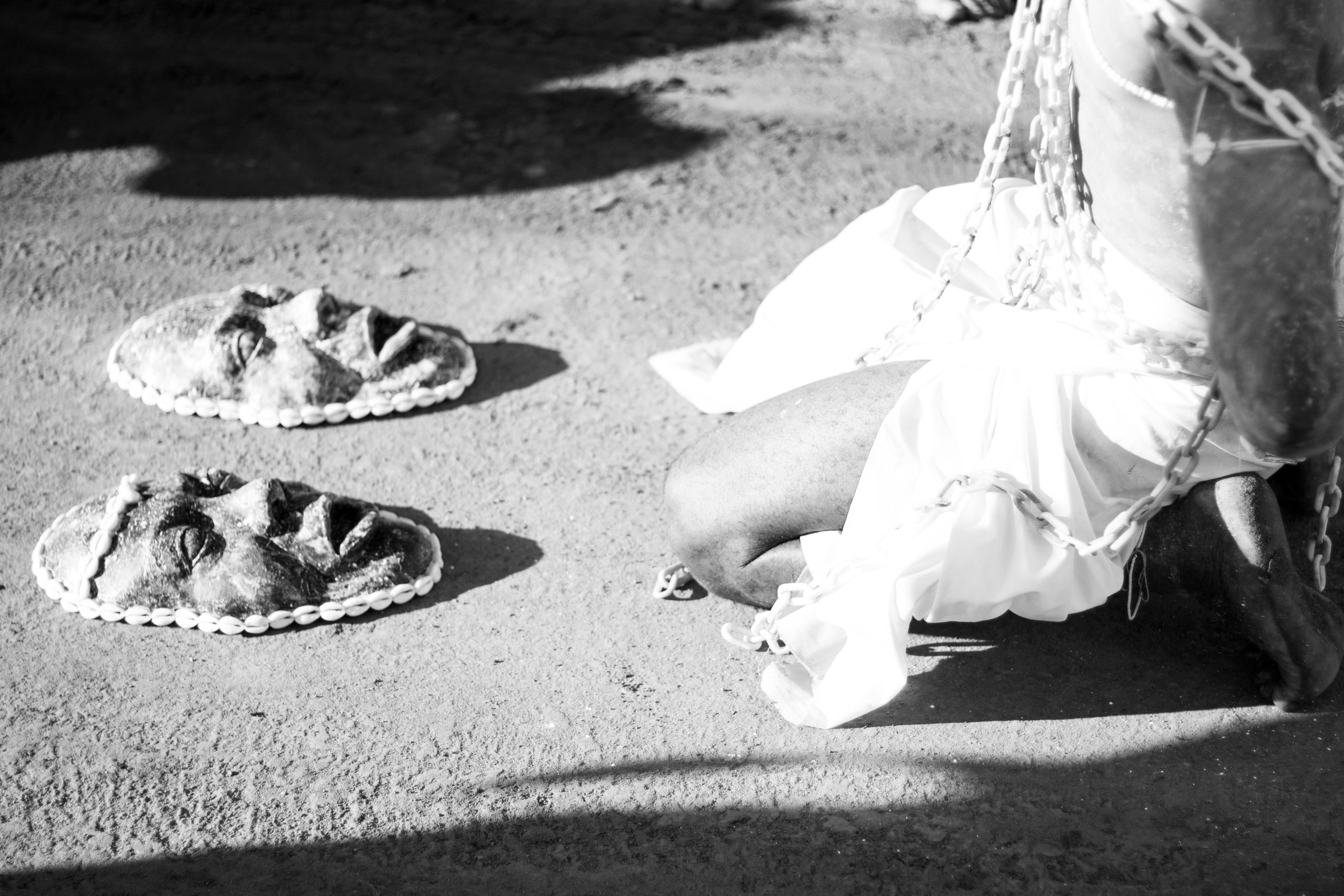
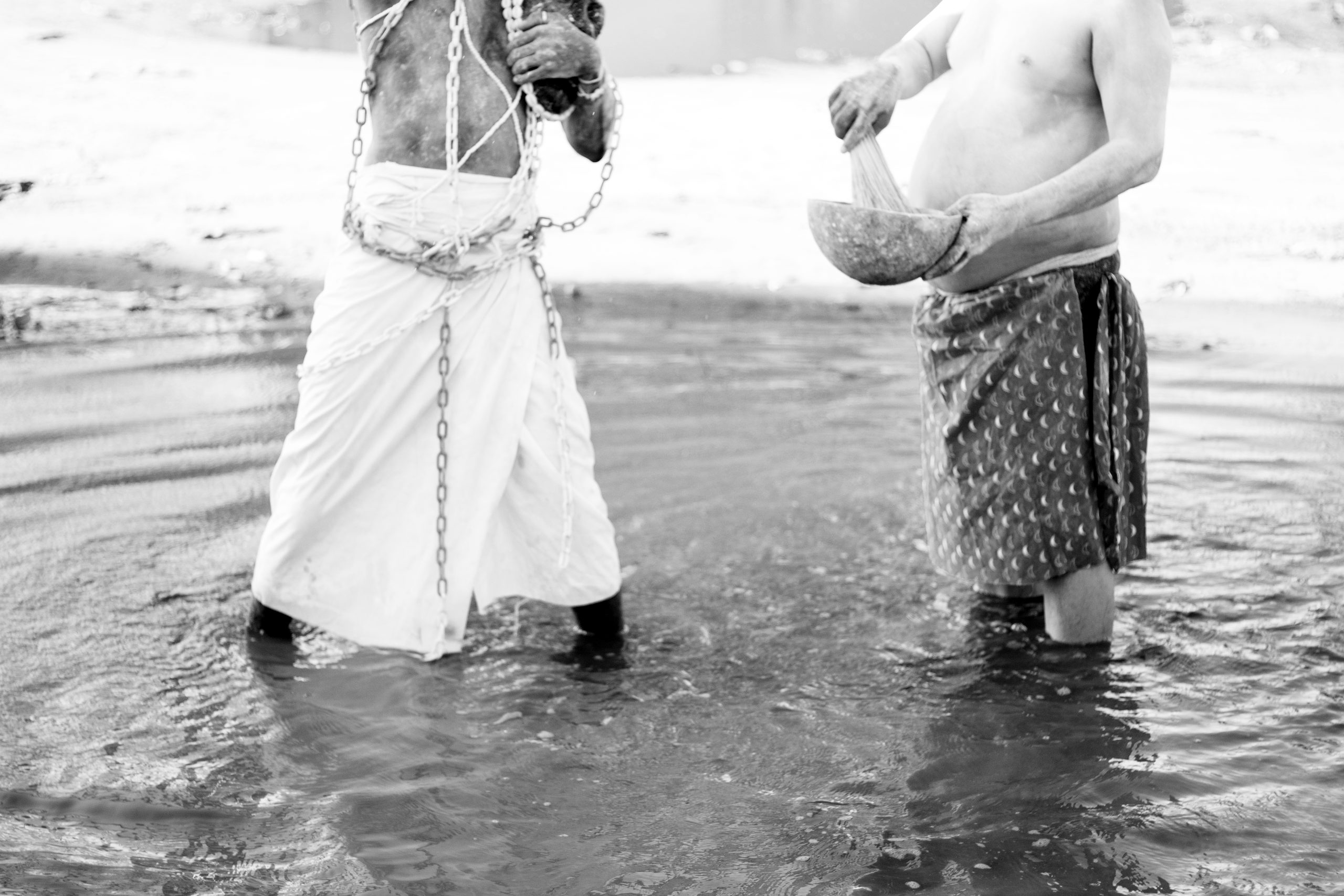
It is understandable why the performance artist’s work has socio-political teeth—there are political and sociocultural forces actively working against him and the people and the society he cares about. The idea established itself after that post-breakfast conversation, particularly after Nicolas’ comments: my photo essay was going to honour the performance artist and her body in motion. My hitch of a 50mm lens had become apposite. I would focus on the performance artist; I would try as much as possible to rid my frames of any other presences. Respectfully. I would hail l’artiste performeur.
*
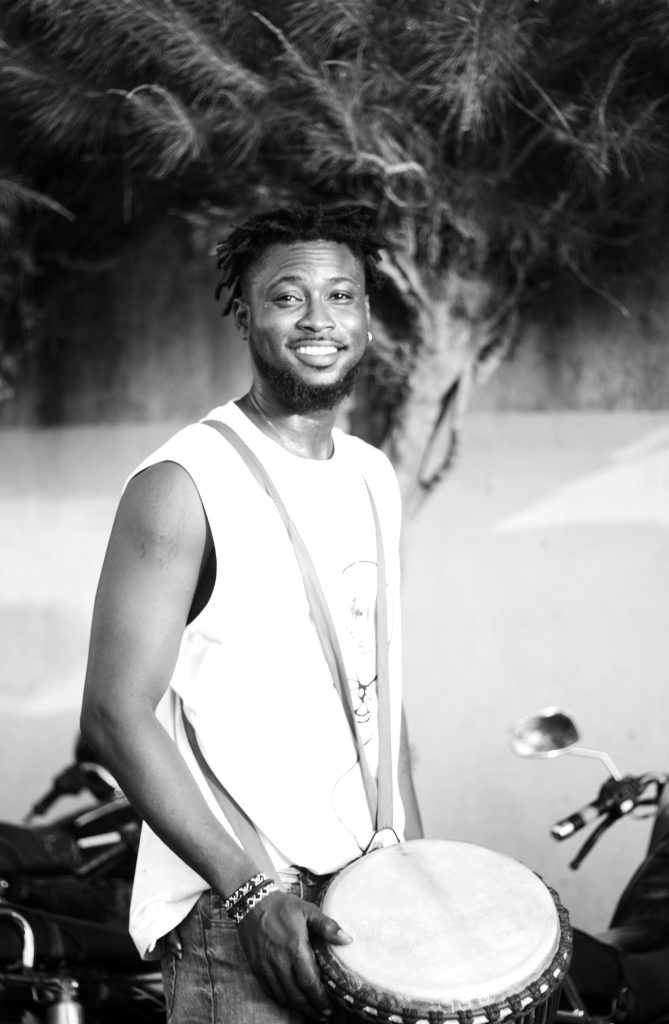
My thought waves ebb, and I consider motion within the Togolese context. It is not a very uncommon thing to move around in Togo and find signboards and the like bearing inscriptions in the English language. This is not an unconnected state of affairs. Compared to her wobbly and precarious French sibling, English is the dominant and certain one in the family of colonial languages. In June 2022, leaders of The Commonwealth accepted applications by Gabon and Togo, and therefore admitted them into the fraternity. Togo gained the 56th slot, making it The Commonwealth’s latest member. In time, consequently, the English language is going to become a lingua franca of the former French colony. A true society in mutation, then, is Togo. That is one kind of motion (very much contentious, I reckon). There is another kind, rendered in a Facebook post composed by the Emomé Art Festival page shortly after last year’s festival, and auto-translated from French into English.
Emomé’Art is a festival we organize on a clean background. We are certain that we will get there. We don’t have the means to run, so we’ll walk on four legs.
Solemnly poetic and hopeful, it calls another profound expression to mind. Ian Kamau sings it, the last line of a song titled Renaissance from an album named One Day Soon: we’ll never have a renaissance if we speak about a movement and refuse to move.
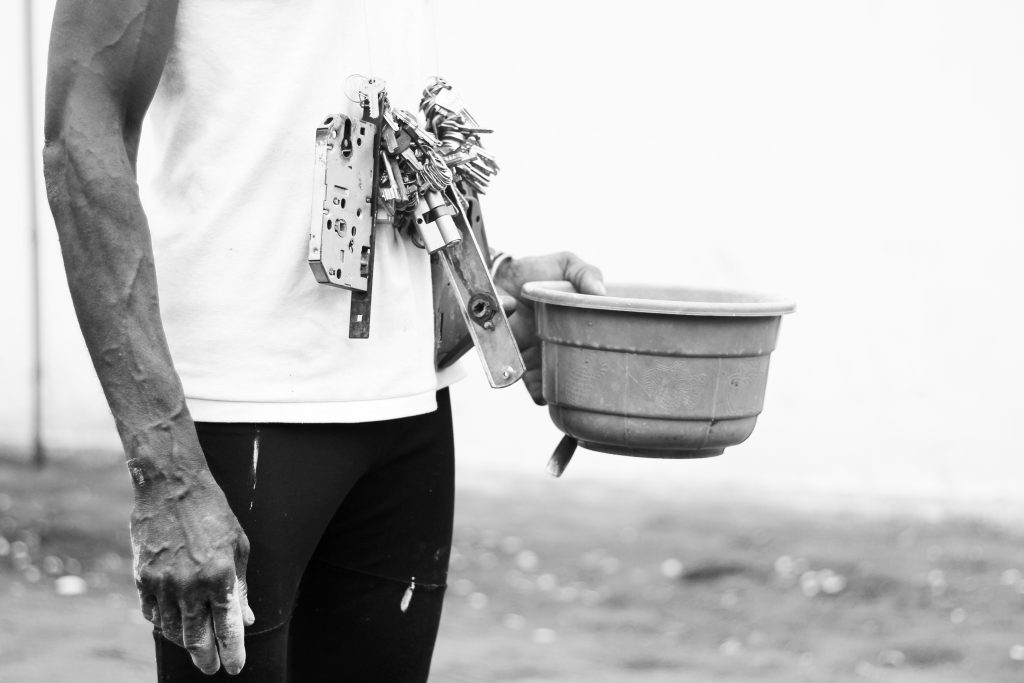
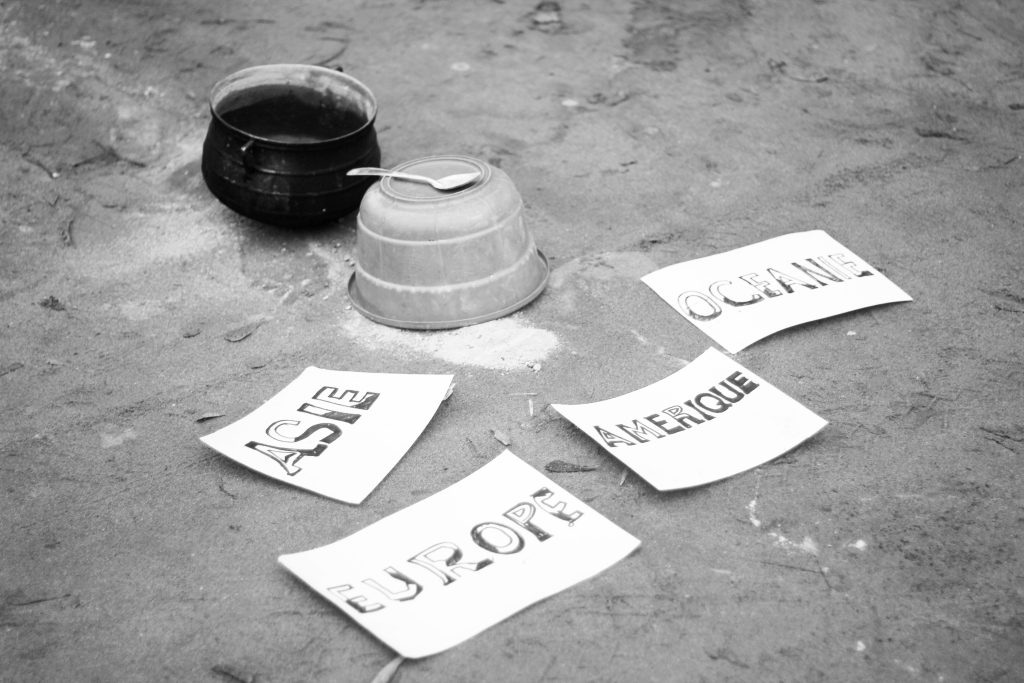
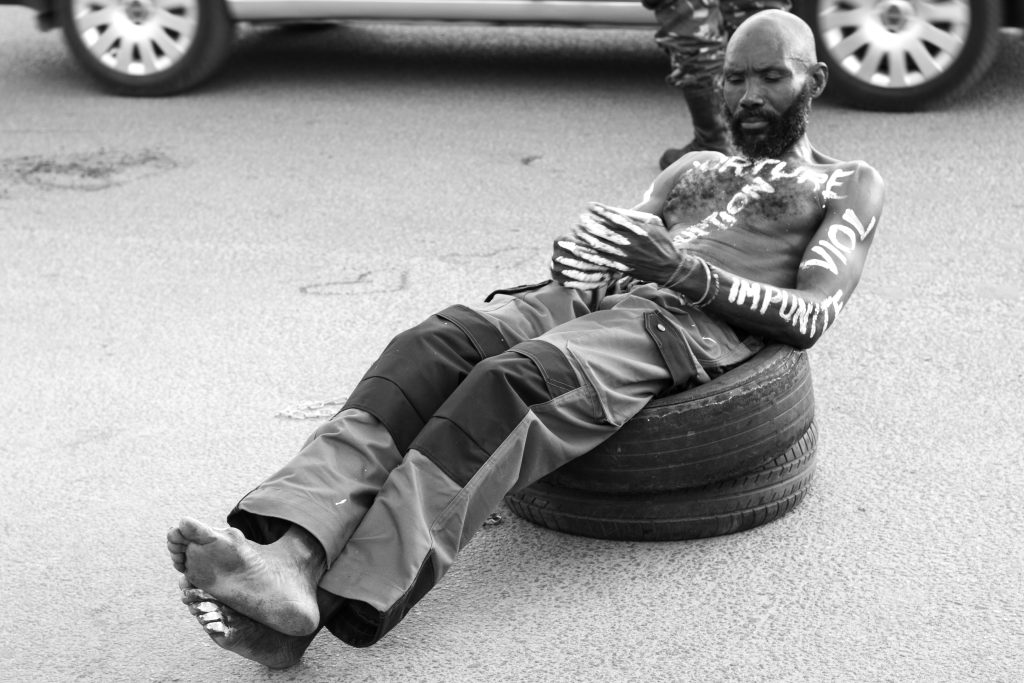

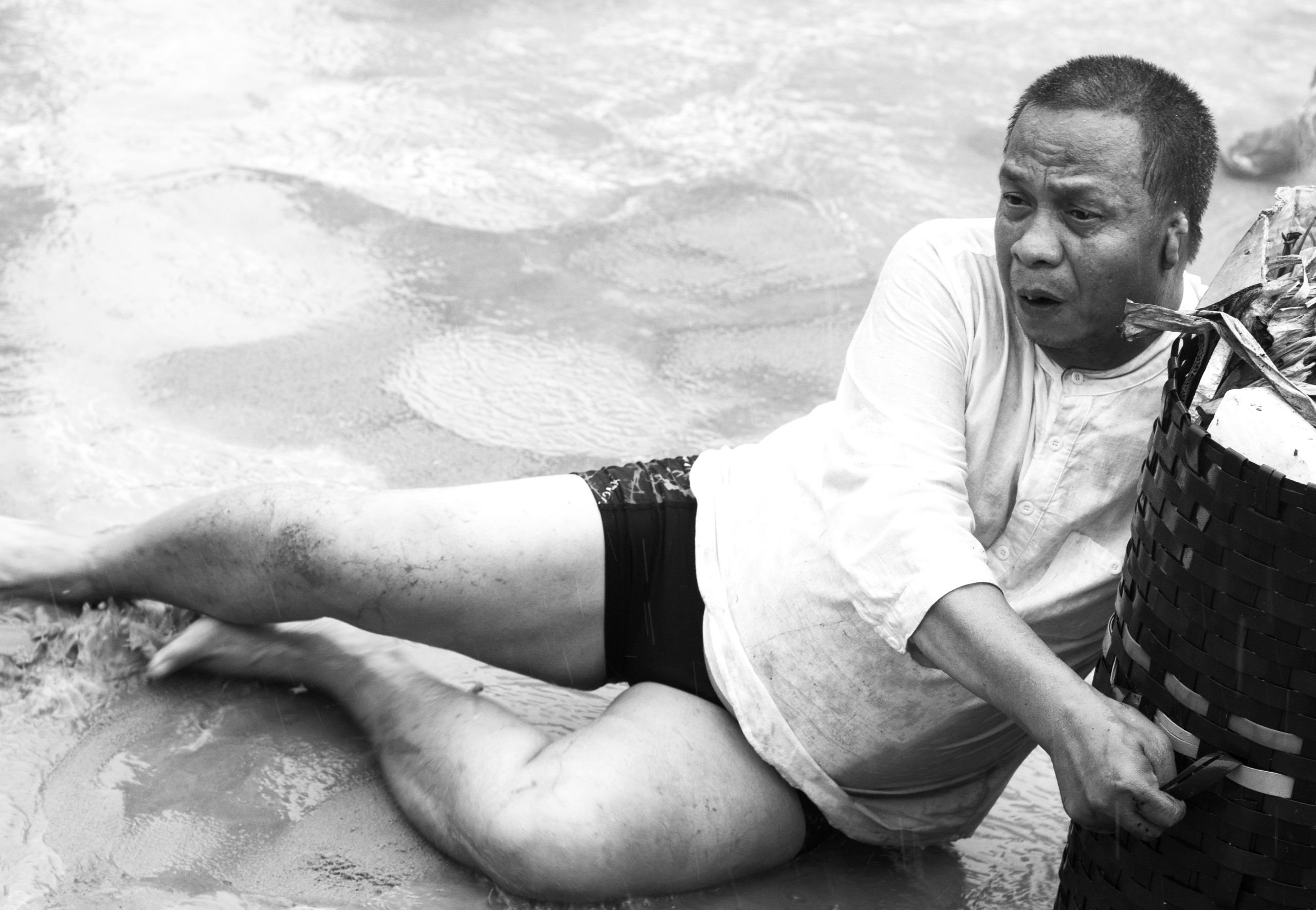
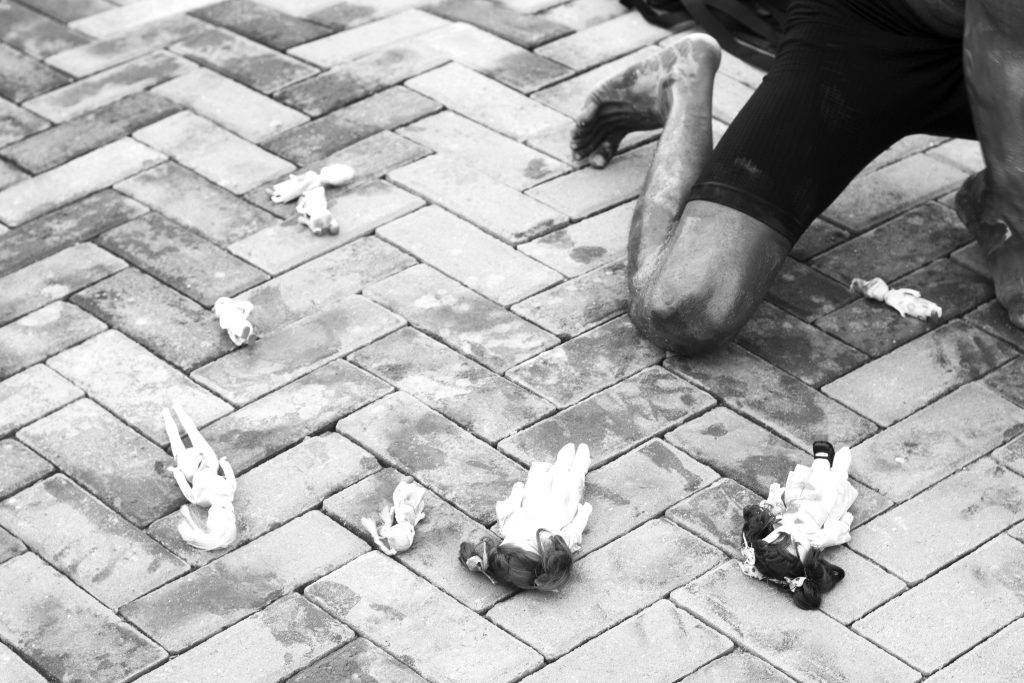
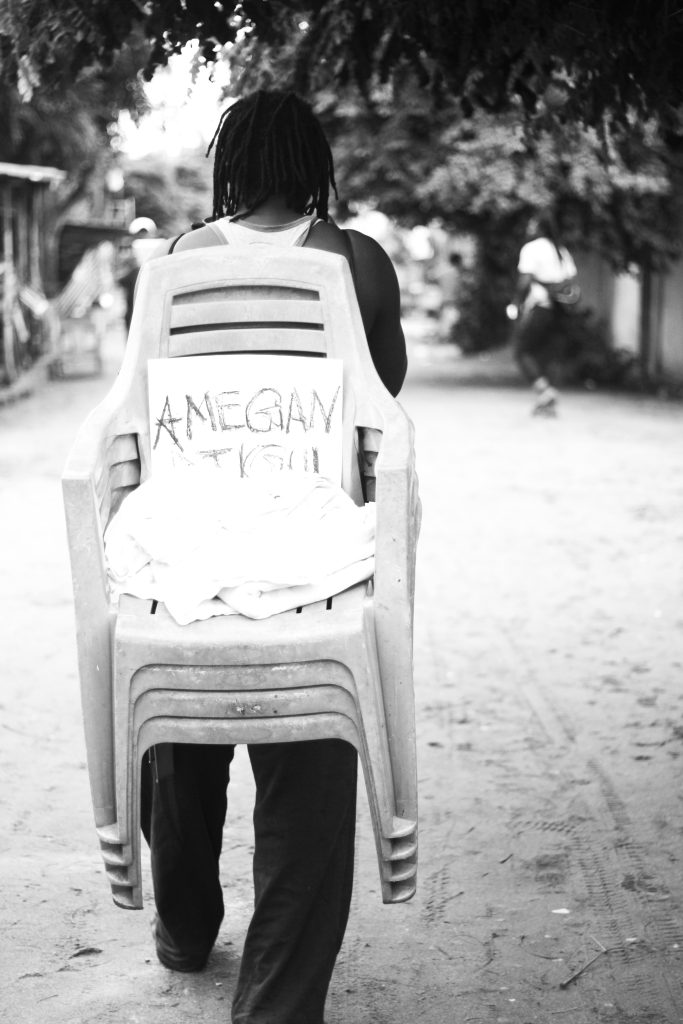
All images courtesy of moshood.