Early last year, interdisciplinary artist Anita Sambanje and multidisciplinary artist, art director and wellness therapist Wyssolela Moreira started a dual residency at LAPA, a communal, experimental space in Johannesburg’s Brixton area.
Both with Angolan heritage, they traveled to South Africa from Angola and Canada respectively, subsequently marking some of the urban similarities between Johannesburg, and what they know about Angola’s capital, Luanda.
Out of their creative collaboration came a looped video art piece, specifically produced for the residency.
LAPA’s original open call was based on two books – Create Dangerously by Albert Camus and A Portable Paradise by poet, Roger Robinson.
Robinson’s words stood out to both artists, providing them with a sense that “you create your own personal paradise and you let it out in a place where only you can see it, or where you have the privacy to be your own self” recalled Anita.
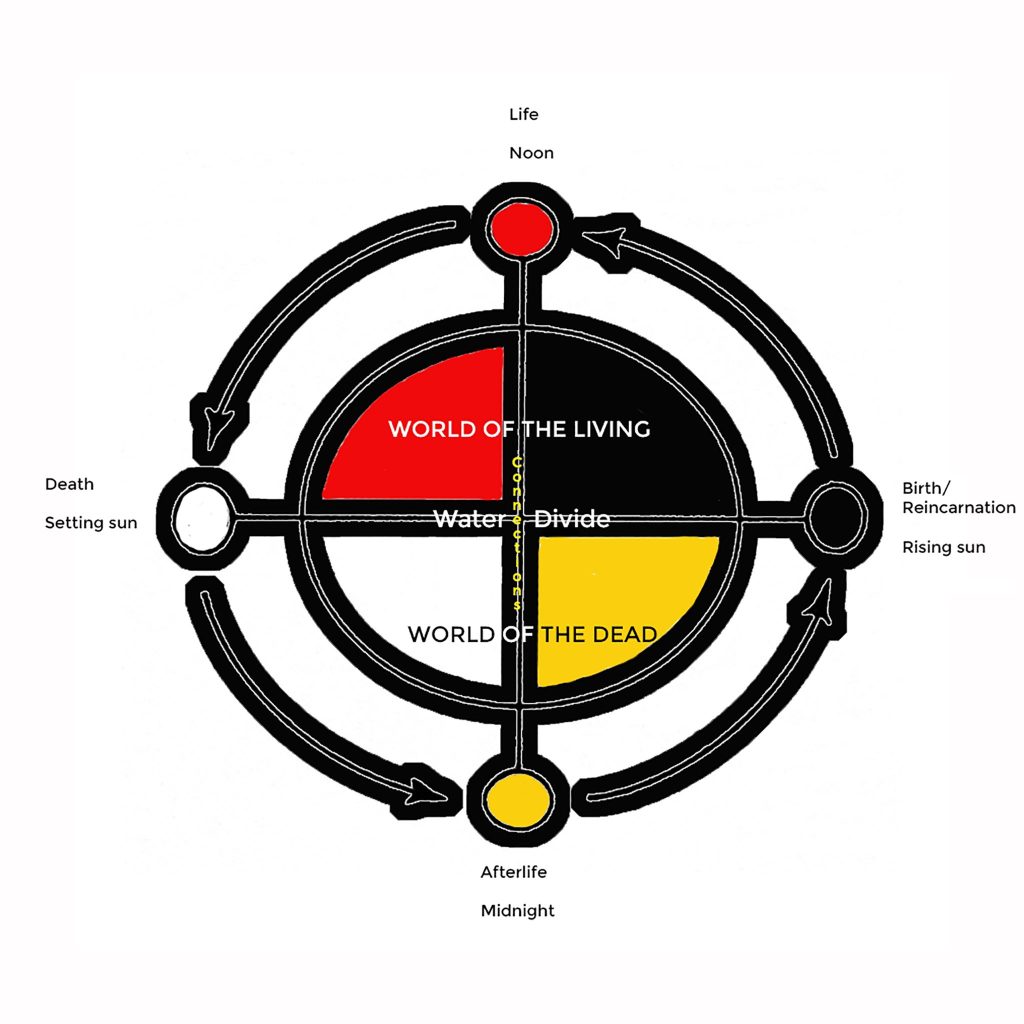
Their responsive proposal was then underpinned by cultural practices relating to the Dikenga cosmogram – a system passed on by Bakôngo Bantu elders, which maps out unique and personal journeys based on the movement of the sun. For this reason, they stuck with the poem’s Portable Paradise title for their own project, as a way to acknowledge the ancestral ability to have the cosmogram with you, and to carry it anywhere you go.
As artists with differing styles of practice, they had in fact connected many times before.
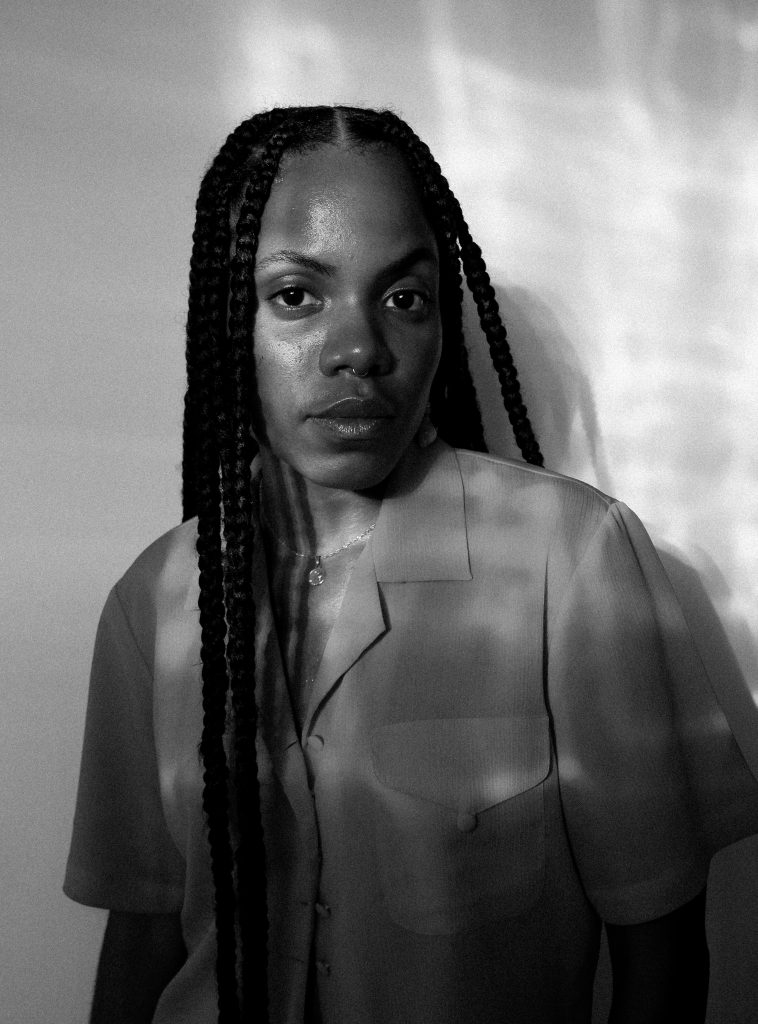
The organic, mutual support of each other was what led to their LAPA application, and to their corresponding explorations of rituals, patterns and life cycles, which manifested in their unique Portable Paradise project.
There’s also spirituality; something that plays a big part of Wyssolela’s personal journey of self-discovery.
“I’ve used art to make sense of a lot of experiences I’ve had,” she says. “African indigenous knowledge systems specifically, have taken up so much space, through a process of deconstructing what I have been programmed to be as a woman, as a black woman, as an African woman, as an Angolan; decolonising the things that don’t really make sense to me.”
As a practitioner of Afro-indigenous spirituality, Wyssolela sees the work she does as something that comes with the assistance of her ancestors, while the search for identity has a slightly different feel for Anita. “Being half Angolan and half Zimbabwean, I spent a lot of time searching for who I was and how I fit into these narratives,” she says. “Due to this fact, I still continue to uncover how my ancestors did their own venerations and developed their own practices. My artistic practice consists of creating, recreating my spiritual practice and integrating my family practices, while making an archive.”
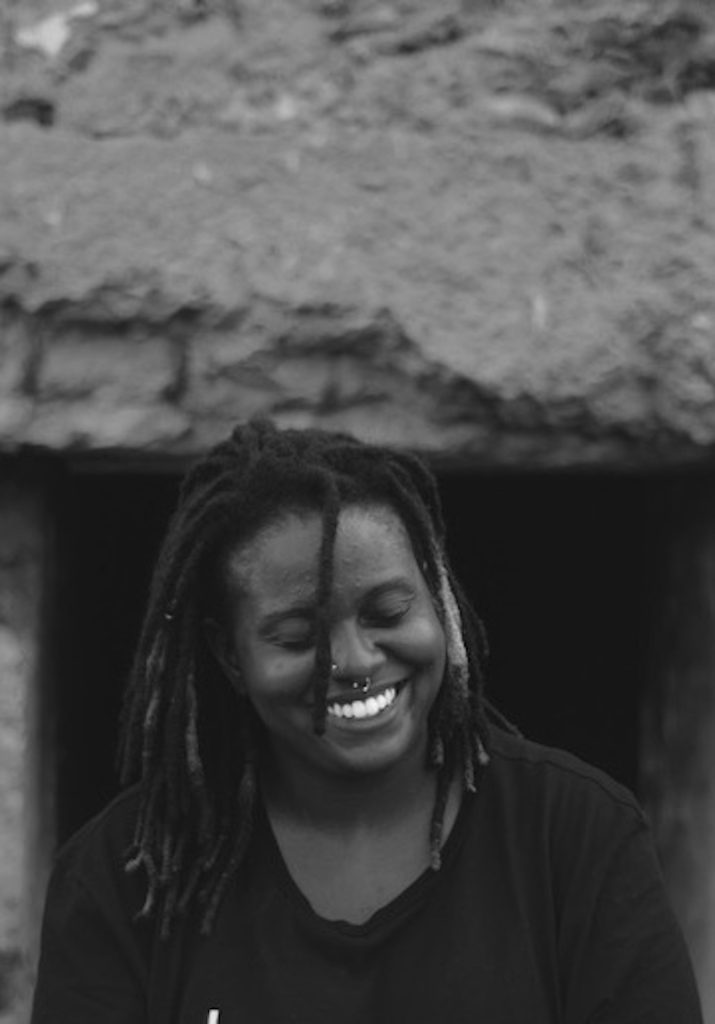
“For me,” adds Wyssolela, “I would say that it’s more like remembering archives and continuing them on. I can also relate to what Anita says … you know, I thought I was creating a practice, but then I realise that I’m not really creating something new. I bring in my own soul, code and what’s individually mine, but it’s inspired from something or someone else.”
A sense of responsibility underpins her statement as well as a specific tone of seriousness about what will be available for others to see in the future from a personal practice, where archival images are often the source material for digital collage work.
Wyssolela: “I continue to photograph people today that I also use in my work, so in a few years from now, according to indigenous knowledge systems, we’re going to be the ancestors that people are talking about. I almost have a responsibility when I reincarnate into this world, to make my life an archive that people can look into once I’m not here.”
The layers, therefore, within the looped Portable Paradise video that both Wyssolela and Anita produced, encapsulate the sights and sounds of the people they discovered during the Joburg residency experience. A type of audio and visual love note.
The chosen overlays of sights and sounds go back to the artists’ initial observation of the unique layout of personal maps and journeys.
A type of neuro-spiritual approach to the city, via the residency, is perhaps one of the many ways to absorb the artists’ mesmeric Portable Paradise piece.