Luanda born, Milan-based visual artist and photographer, Délio Jasse upends the notion of ‘archival permanence’ in his reworkings of vintage images (found passport photos, family albums) with contemporary events. The archive allows for limitless possibilities as source material to question history by probing what has been documented as well as omissions.
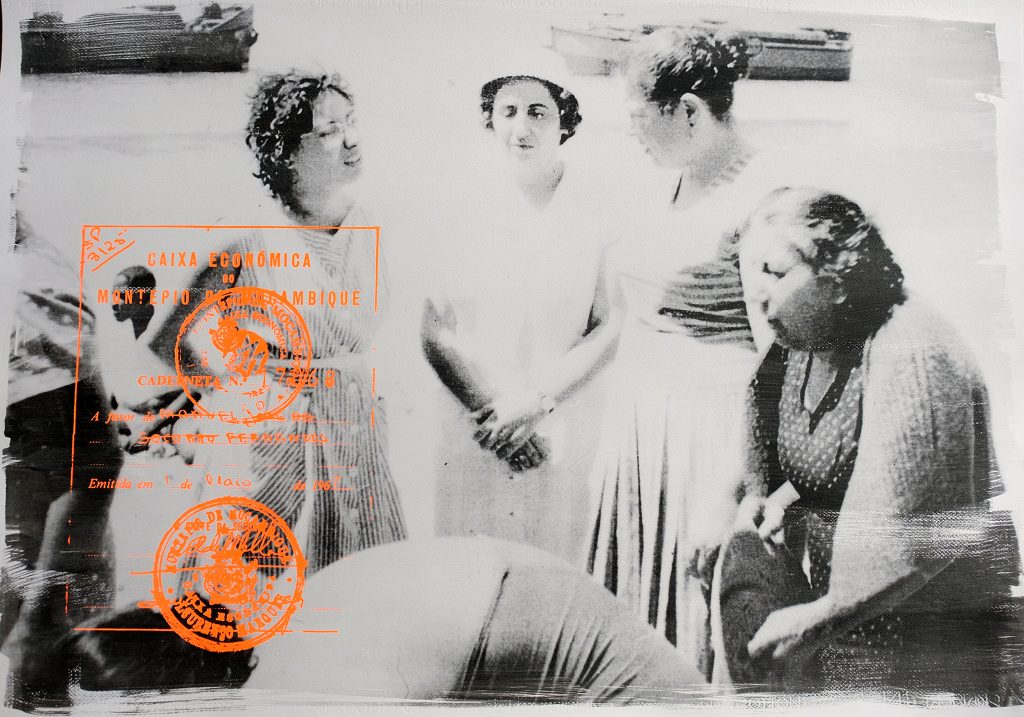
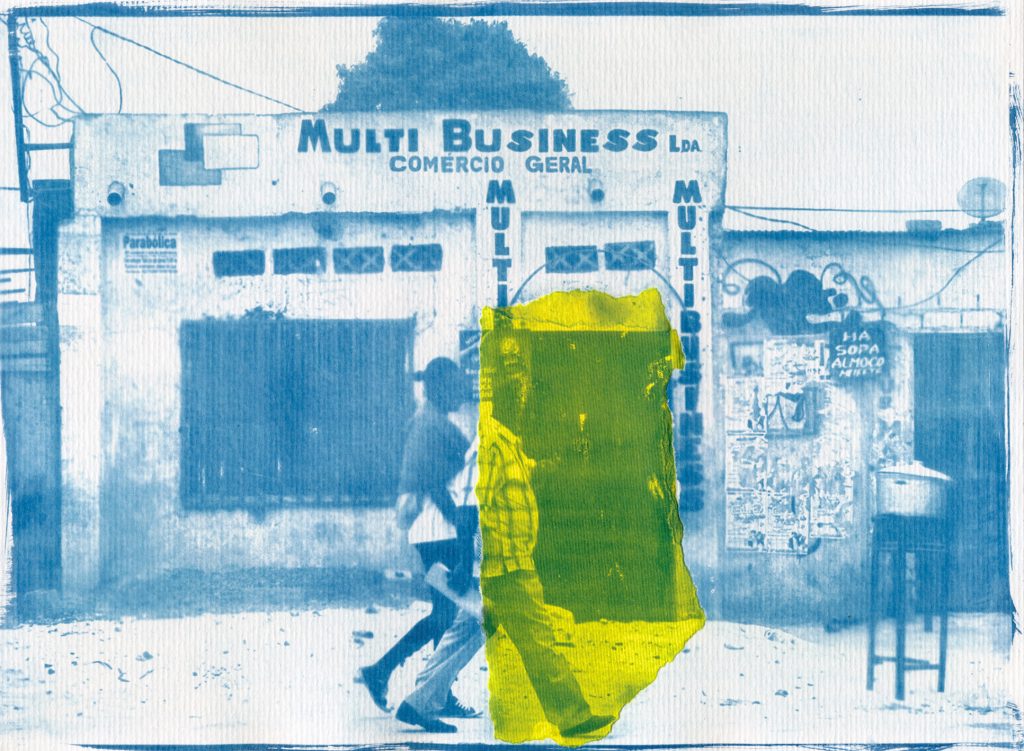
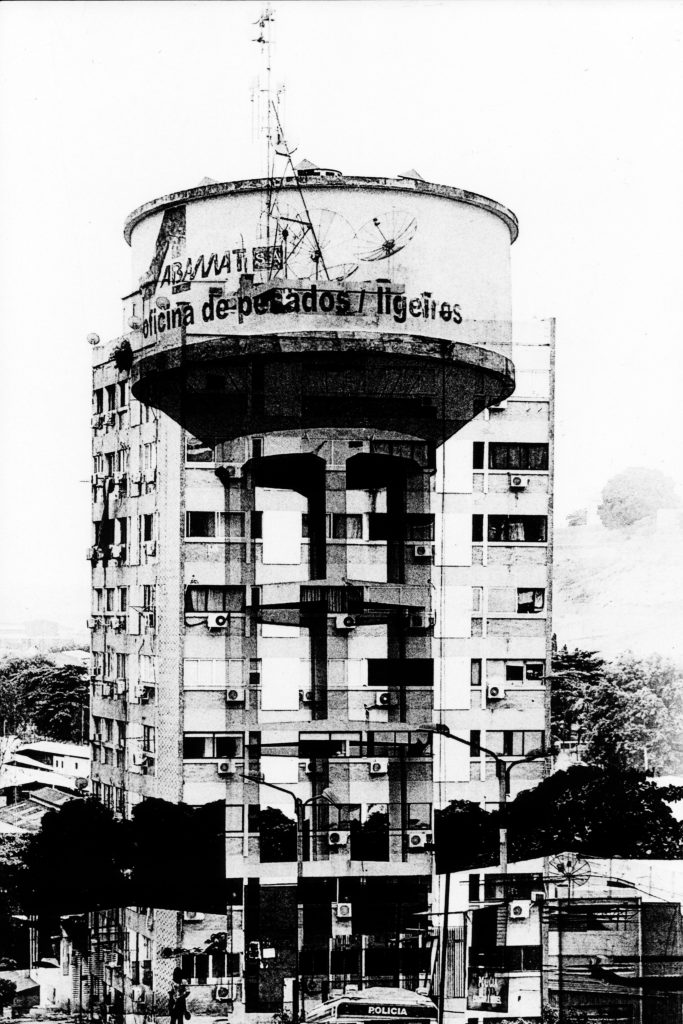
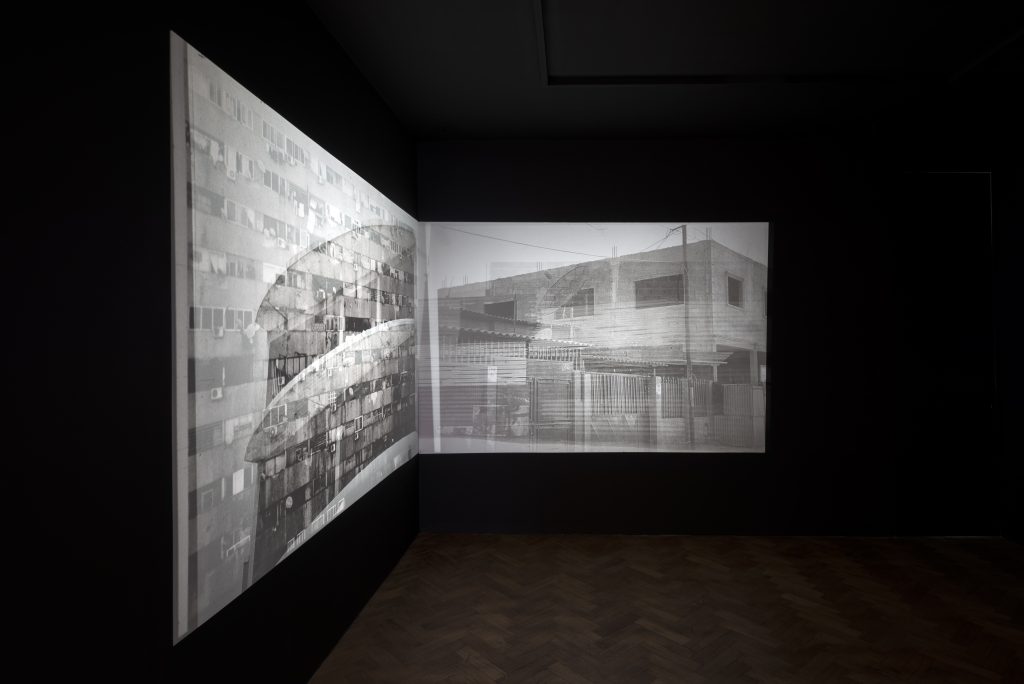
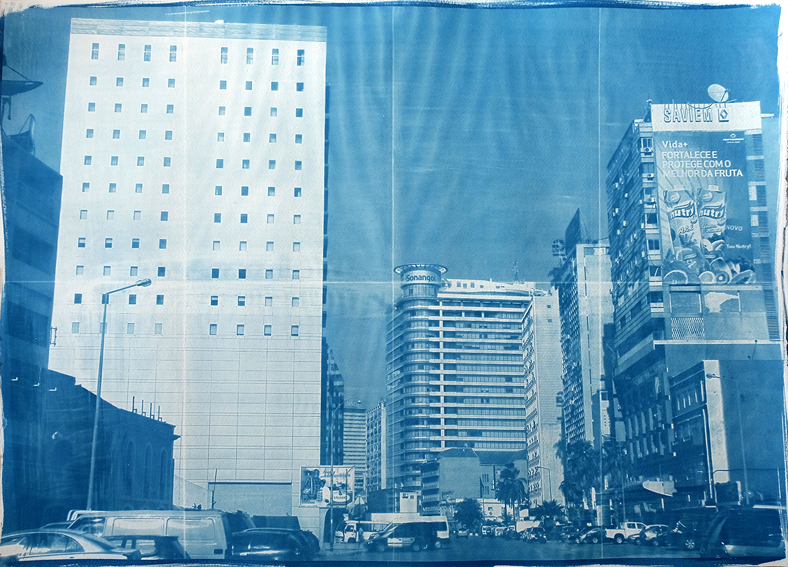
In his photographic series Terreno Ocupado, Jasse connects past and present Luanda and its transformations and contradiction as a post-war city through screen-printed, re-photographed images that have an aged appearance due to their treatment by hand-applied cyanotype and exposure to sunlight. The artist began this project to connect to his home city after returning in 2011 having fled the war to live in Lisbon as a teenager. In another series, The Lost Chapter 1963 (2016), Jasse reworked found images and documents he acquired from the Feira da Ladra flea market in Lisbon. The vintage family album depicts Portuguese family life in Nampula, Mozambique in the 1960s, when the country was still under Portuguese colonial rule.
In the interview that follows, Jasse talks about the limitless possibilities the archive lends to artistic inquiry and the many print-based processes he employs to reframe and represent the photographic image.
Why have you turned to the archive as a point of departure informing for your photography and wider practice?
The archive allows for the chance to look at past events from another perspective, which has meant that I can fully work with, and explore two different moments in time. The first being the moment when the image was taken (and the moment of issuance of the documents), whilst the other is this present moment in time which I work in. This gives me the opportunity to present new meanings to these historical images.
How has working with architectural images of Luanda shaped your perception of the city and its changes over time?
It gives me the chance to better approach the past of my city. I was able to better understand the colonial heritage the Portuguese settlers left behind and also the colonial ties the people from Luanda still have.
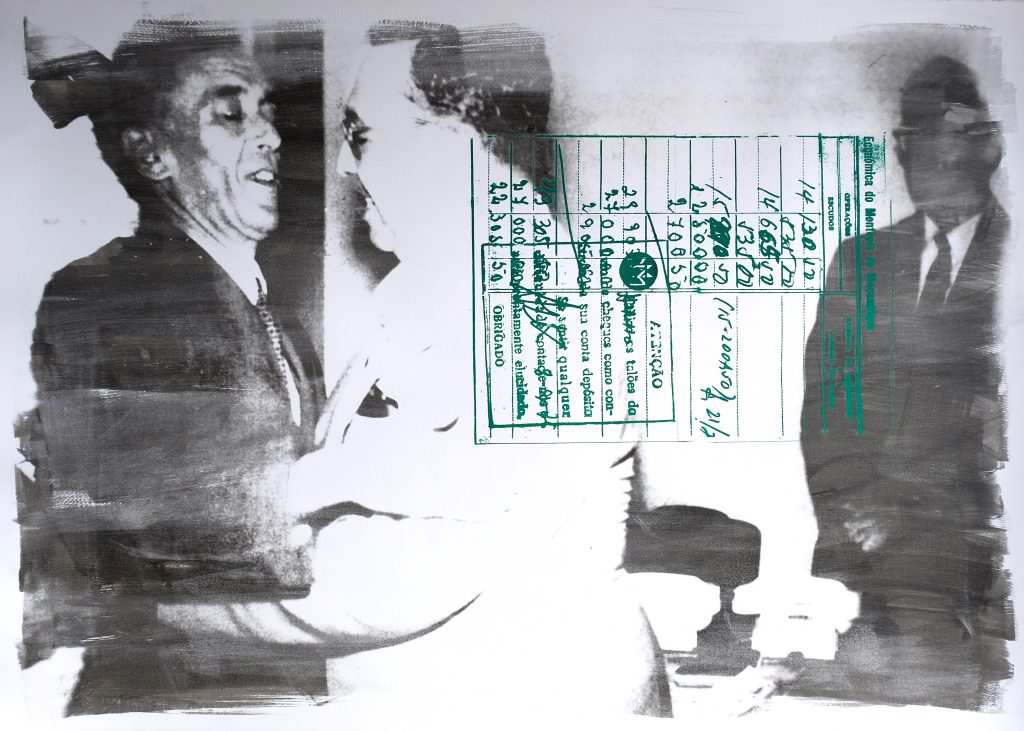
Could you describe the process of bringing together a collage of ideas through photographs, 1960s-era documents, letters, and photographs reimagined as screen-printed images for The Lost Chapter, Nampula 1963 (2016)?
It involves quite a complex analogic process. After I’ve selected images I have chosen to work with, I take a picture of the already existing image. The next stage involves screen-printing a select document (it might be a stamp, a part of a letter, or of an identity document) onto this re-photographed image. The connection between the image and the document is totally arbitrary.
How did using screen-printing help to create a new visual language for the found images that make up The Last Chapter, Nampula 1963 (2016)?
Screen-printing was important to create the final image as it gave me the ability to play with different layers and different colours. These visually translated all the meaning and complexity of an image that depicts life in the colonies. At first view, the images look simple and almost idyllic, and my intervention seeks to show how it was no paradise.
(Courtesy of Tiwani Contemporary)
You discovered The Nampula archive in Lisbon’s Feira da Ladra flea market. Did you ever go back to look for more of these kinds of images or was this discovery a one-off?
The Feira da Ladra flea market has always been really important to my work. When I used to live in Lisbon, I used to go there at least once a week. Now that I live in Milan, I plan trips to Portugal according to the days in which the Feira da Ladra is held, which is Tuesdays and Saturdays.
Do you see The Lost Chapter, Nampula 1963 (2016) as reconciliation and decolonizing work?
The Lost Chapter, Nampula 1963 (2016), in my view does more than reconciliation work as I see it more as a decolonizing work.
(Courtesy of the artist and Tiwani Contemporary)
Discovering these images and then documenting the lives of privileged Portuguese living in a colonized Mozambique speaks to a politics of relations between indigenous places and colonial spaces. Do you see this kind of politics playing out in a city like Luanda at the present?
I think that now the relationship with the colonial buildings and its remains has changed. After 1975, the Angolan people occupied colonial spaces but post-civil war, and during the economic boom in Luanda, most of these colonial buildings were destroyed to make space for skyscrapers and new, modern buildings.
There’s a different kind of layering (of images and memories) going on in the images that make up “Terreno Ocupado,” with Luanda’s cityscape aged due to their treatment with cyanotype printing. Why did you decide to use cyanotype as a way to reframe these images?
The cyanotype gave me the chance to wash away the chaos of Luanda.
How has working as an artist shaped your perception of space and its relation to the photographic image?
I am and I have always worked as an artist. So, as an artist, and in particular, as an artist who works with the photographic medium, I always look at space with a different gaze, a gaze that allows me to decipher different layers and complexities of the present in our reality, which I then render in photographic images.
(Courtesy of Tiwani Contemporary)