Words: Nana Ocran, with thanks to photographer Coralie Rabadan for interpreting.
Seven years ago, John Kalapo won an award at Bamako Encounters (African Biennial of Photography). Emerging photographer was his category, and the prize was a residency with the Market Photo Workshop in South Africa.
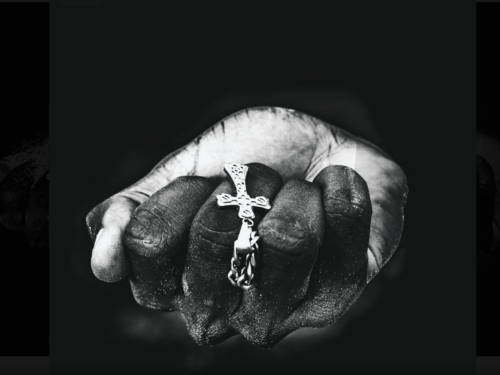
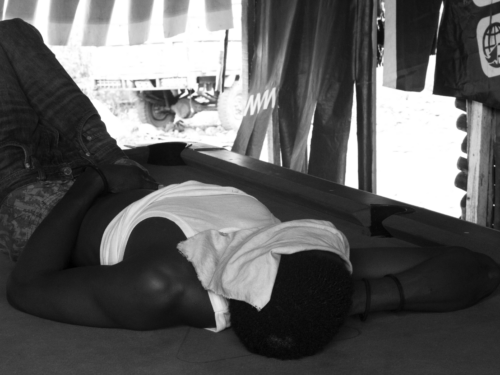
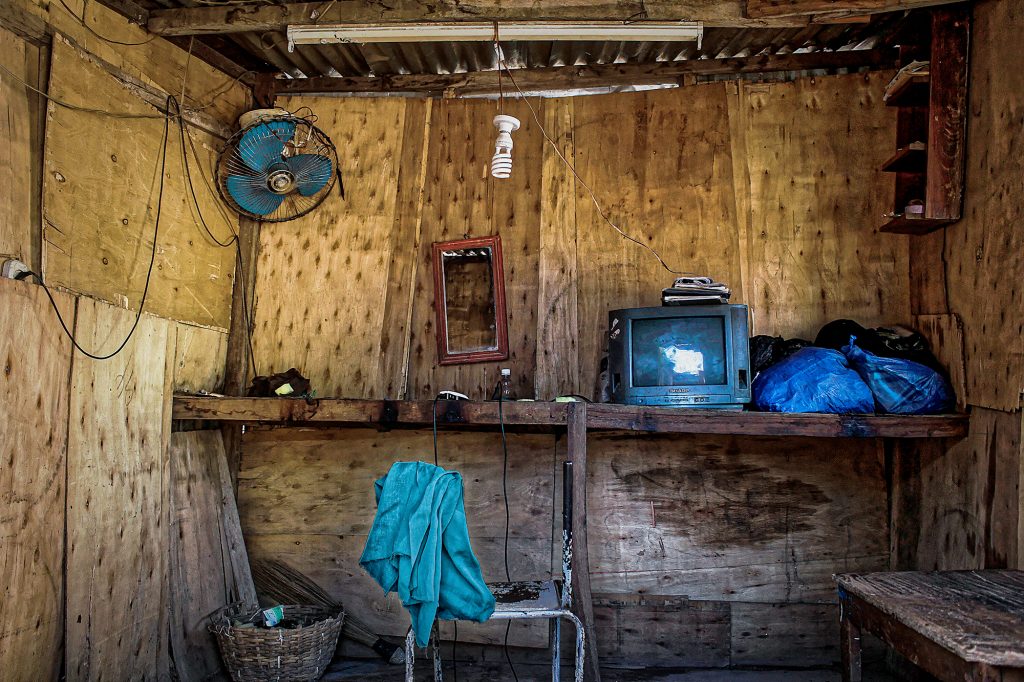
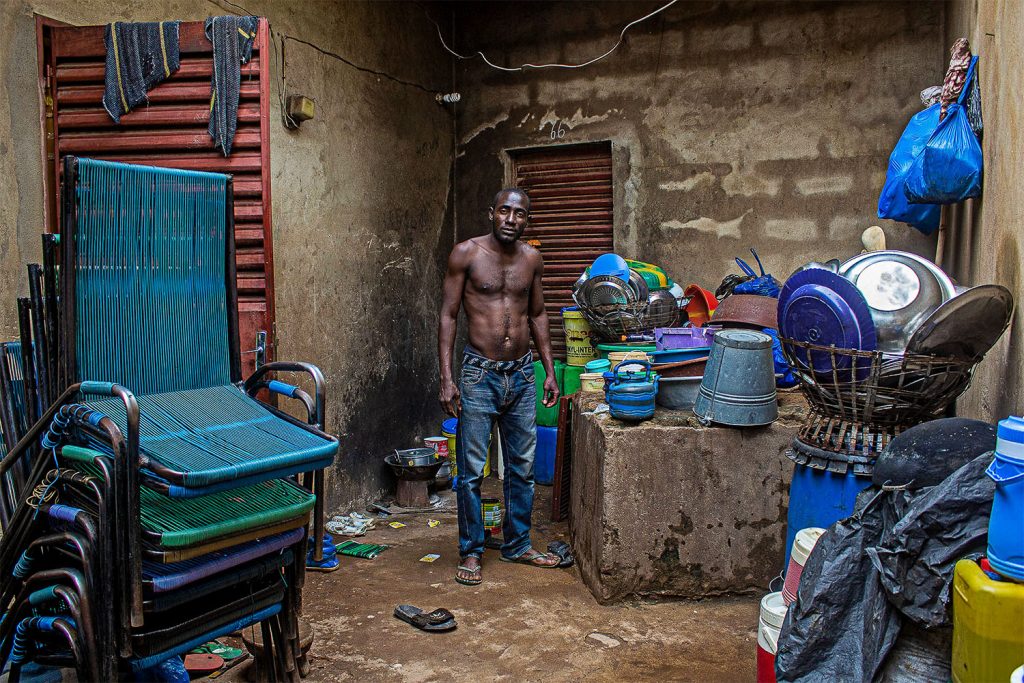
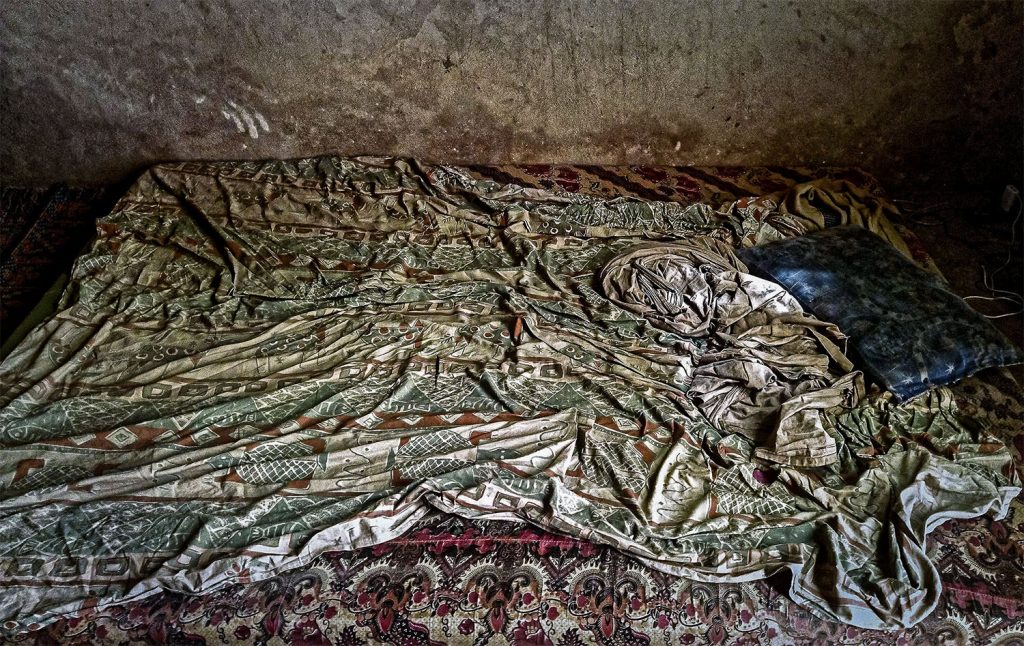
At the time, it seemed unusual for a Malian photographer to win, as South African artists were usually the recipients of the school’s training sessions. However, during a three-year residency, Kalapo travelled to Johannesburg twice, spending a month there each time. During both visits he received ongoing advice from mentors who asked him to work on a project about Malian youth. The outcome was a book, Other Worlds, which focuses on a young man – Saba – and his lived experiences of homelessness, anxiety and aspiration.
It was via this publication – which is only available in Mali and South Africa – that I got to hear about Kalapo, whose portfolio of documentary-style images exist as visual commentaries on different aspects of humanity.
The South Africa residency had, and still has, a long-term influence on his work as the guidance there was highly focused and intense.
‘That’s one of the issues that we have,’ he says, when asked about similar organisational support in Mali. ‘I was among other photographers and consider myself lucky to have been chosen. That experience really helped me to move forward as a photographer. The fact that I was accompanied, encouraged and criticised gave me a boost and opened some new horizons and directions.’
Market Photo Workshop is renowned as one of the biggest photography schools and project spaces in Africa. Set up in 1989 by the acclaimed photographer David Goldblatt, the venue has been a hub for training South African photographers and inspiring critical thinking and debates on visual literacy for a broad spectrum of the cultural community in and beyond its Joburg location. The open way in which the school articulates styles of visual culture changed elements of Kalapo’s attitude towards his own image making.
‘There were subjects that maybe I wouldn’t have dared to photograph before, because of the way society is in Mali’ he says. ‘For example, for the series that’s shown in my book I took photos of Saba while he was taking drugs. If it had been a project commissioned here, I could never have done that, but because it was assigned and financed through the residency project, that meant I could do it.’
Kalapo knew Saba from school and followed his journey for three years from 2015, showing his subject’s evolution over that time. He exhibited eight images from the book at Centres Soleil D’Afrique Artists’ Association, for one of Bamako’s ‘Off’ exhibitions during the 2019 biennal. The reaction from some of the visitors was shock, which reflects an age-old external perception of conservatism that’s associated with Mali photography.
‘It’s true that from an artistic point of view a lot of people think that Malian photographers all do studio portraits,’ he says. ‘They tend to associate them with Malick Sidibé. That’s an image that some Malian photographers give, so photographers who approach themes that are taboo or off the beaten track are usually those who’ve had some experience abroad.’
Kalapo is keen to make the point that Sidibé, with the striking body of work that he left behind, is well respected across generations. Infact, a decade ago, while interning for Mali-Photo Project for Preservation and Archiving of Photographic Negatives, he was directly exposed to the heritage works of Sidibé, as well as other famous African photographers including Abderahmane Sakaly, Adama Kouyaté and Tijani Àdìgún Sitou.
‘Sidibé wasn’t just doing studio photography; he was also doing reportage with his photographs of parties and the youth on the beach. He did a lot. We don’t see his photography as old fashioned. He was a documenter.’
Kalapo’s own form of storytelling comes from being both a visual artist and a video producer, with his work essentially underpinned by ideas that promote social change. His mix of visual themes and styles has manifested in projects that include a prize-winning Modern Slavery series with children’s domestic work at the centre, a project highlighting the ways in which the King of Morocco is visually celebrated by citizens of Rabat, and also the sculptural landscapes of Mali’s historical Siby region.
For the Bamako festival in 2019, his exhibited images were selected to highlight the theme of immigration as much as they were chosen to comment on Malian youth.
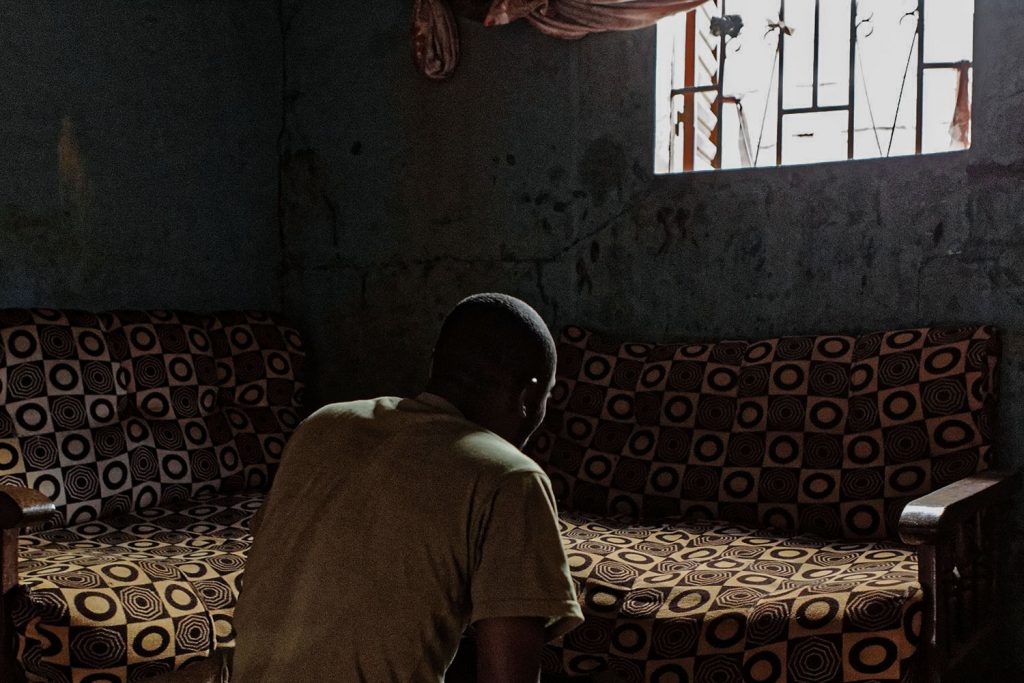
Kalapo: ‘Saba’s initial goal was to migrate abroad, to Europe, like many young Malians do, but then he decided that it was not as ideal as he thought. He realised that some people died on the way, including one of his friends, so he questioned himself and thought, “well there are some people who succeed in Mali, so why not me?” That’s when he gave up on the idea of moving.’
For the public showcase, Kalapo edited his choices and purposely held back on exhibiting images of Saba’s drug use. ‘I kept those ones in the book because I know people can be quite sensitive.’
The 13th edition of the Bamako Encounters – African Biennal of Photography is scheduled to take place at various venues in Bamako, Mali from 20 November 2021 until January 20, 2022.