Interview: Nana Ocran, with all images courtesy of Bade Fuwa
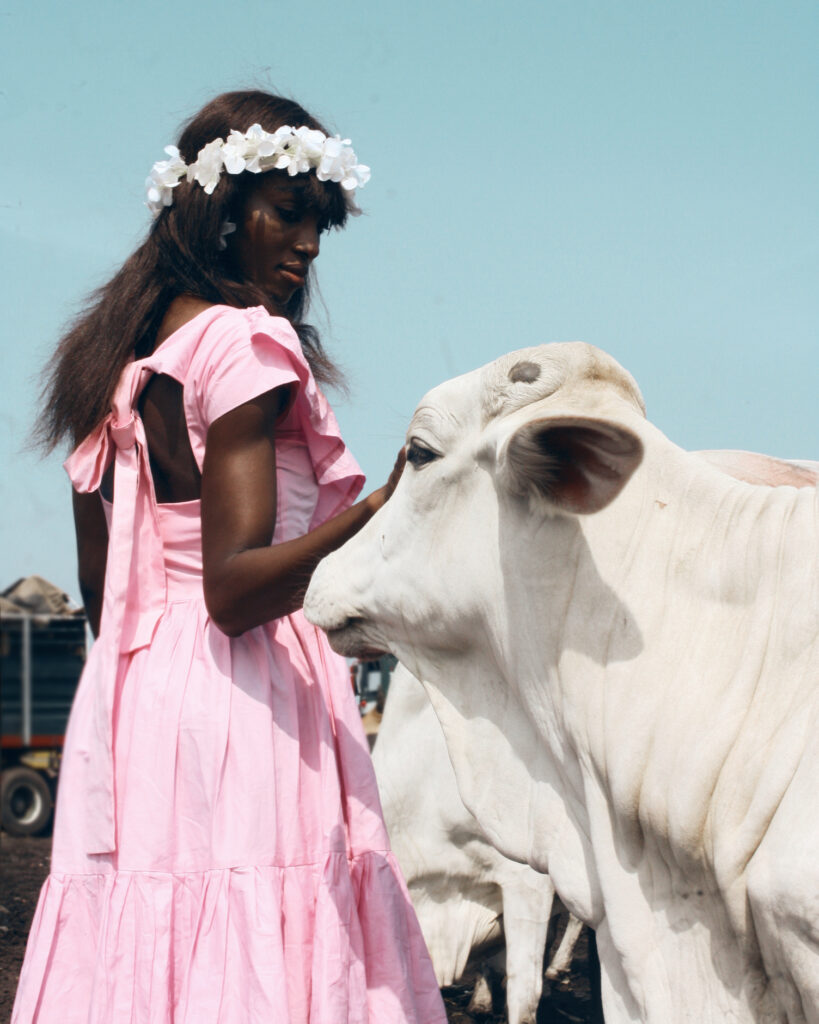
Earlier this year, People’s Stories Project was introduced to the work of Bade Fuwa. A self-taught fine art photographer, he began creating images in 2022 to ‘express emotions beyond the limits of language’. This focus followed the death of his mother to cancer, and his personal struggle to explain his ongoing feelings with words. This is where the camera came in. His practice explores identity, spirituality, culture, mental health and the deep connection between humans and nature … all themes that are present in his personal projects as well as his work with commercial brands. ‘Through each project, I aim to create images that evoke feeling, reflection, and personal resonance’ is a statement he made before taking time out for a conversation where friendships, gender, religious questioning and Lagos energy were the conversational routes that were taken.
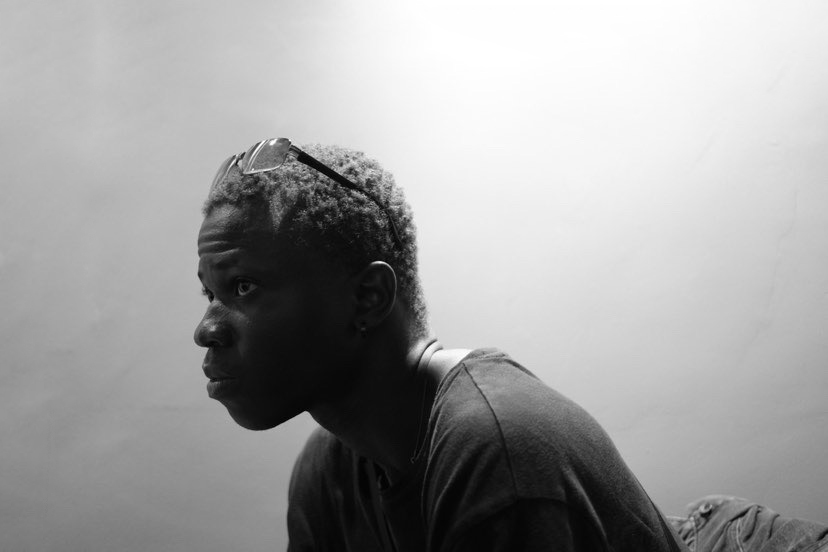
“I try as much as possible not to classify myself as a photographer, because I didn’t really have that mindset when I started. For me, it got to a point where it was like an ego boost saying, “Oh, I’m photographer,” and it was distracting from the reason why I do this.
In 2021, I went to a festival, with a camera I’d got from a friend years before. I’d never really known how to handle it, but I just started taking pictures. It was a beautiful experience. I felt calm, and excited. After that, I started learning stuff online, using YouTube … how to do this, how to do that, and then everything started making sense and aligning for me; going to fashion school, learning how to style, studying English language, learning poetry …
Although it’s easy to say I am a photographer – you can’t just say nothing – I always try to stay in the core of why I’m doing this thing, which is just to express myself. While I was in fashion school, every collection had to have a theme; a reason why. Once I have a story behind how I’m feeling, then I can create a mood board, or a sketch … whichever is the right working model. I don’t want to just be taking random pictures. Even when I’m doing commercial jobs, I always tell them that this is the story behind it. If they don’t buy into it, that’s fine, but if they do, it’s easier for me to be able to express something. At fashion school, I didn’t have many challenges concept wise, storytelling or photography wise, but outside of photography was where the battles were. I’ve even gone through some mental health issues.
Before my mother died, she was having chemotherapy sessions and all those things, and I remember it was really difficult to tell my friends how I was feeling. They would ask, how are you doing and I would say I’m fine. Deep down I knew I wasn’t, but as a man I was taught to just say I’m fine. My friends really did care, but I wanted to find genuine connection and people that were feeling or felt grief, and to share my journey of how I got better.
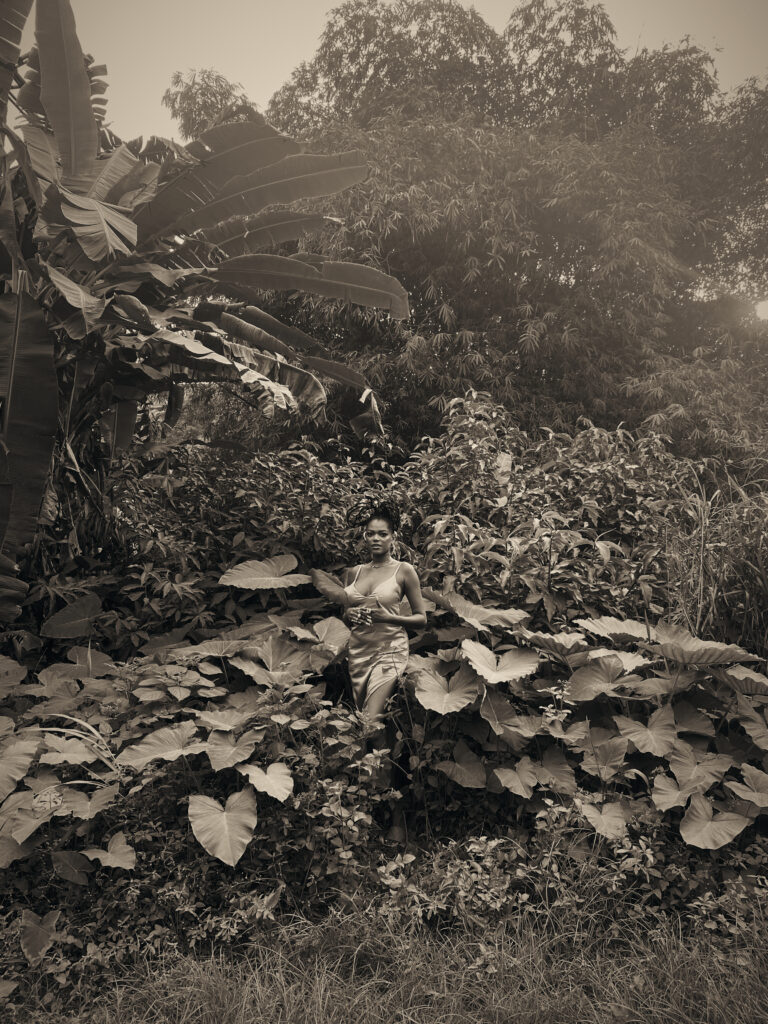
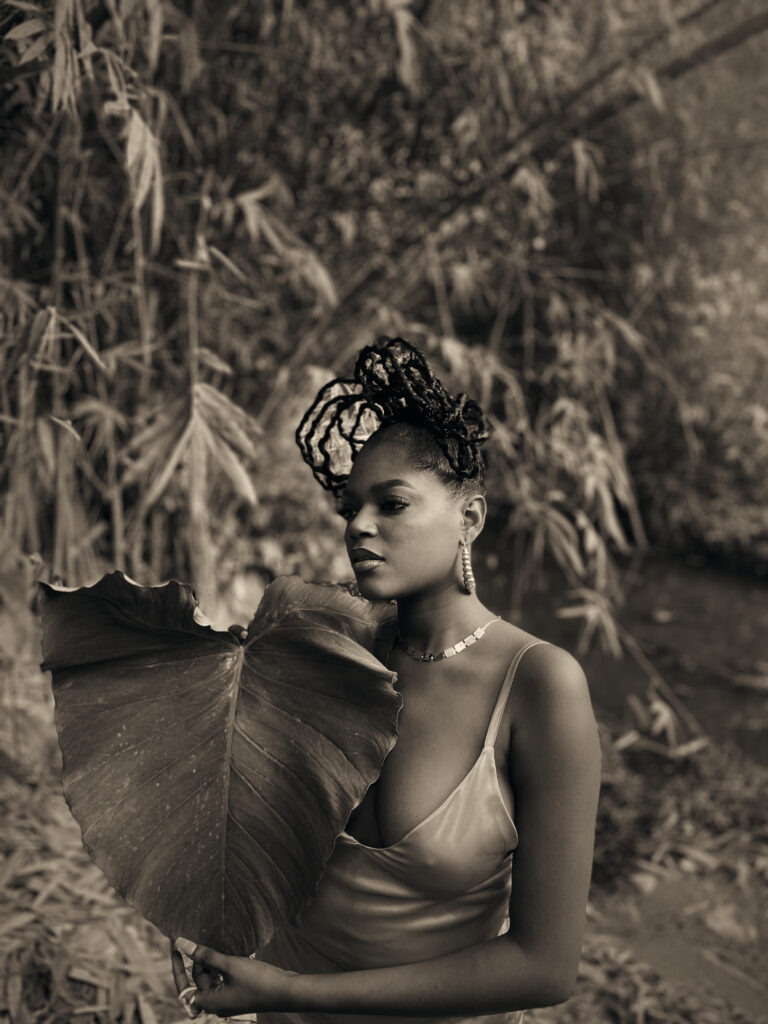
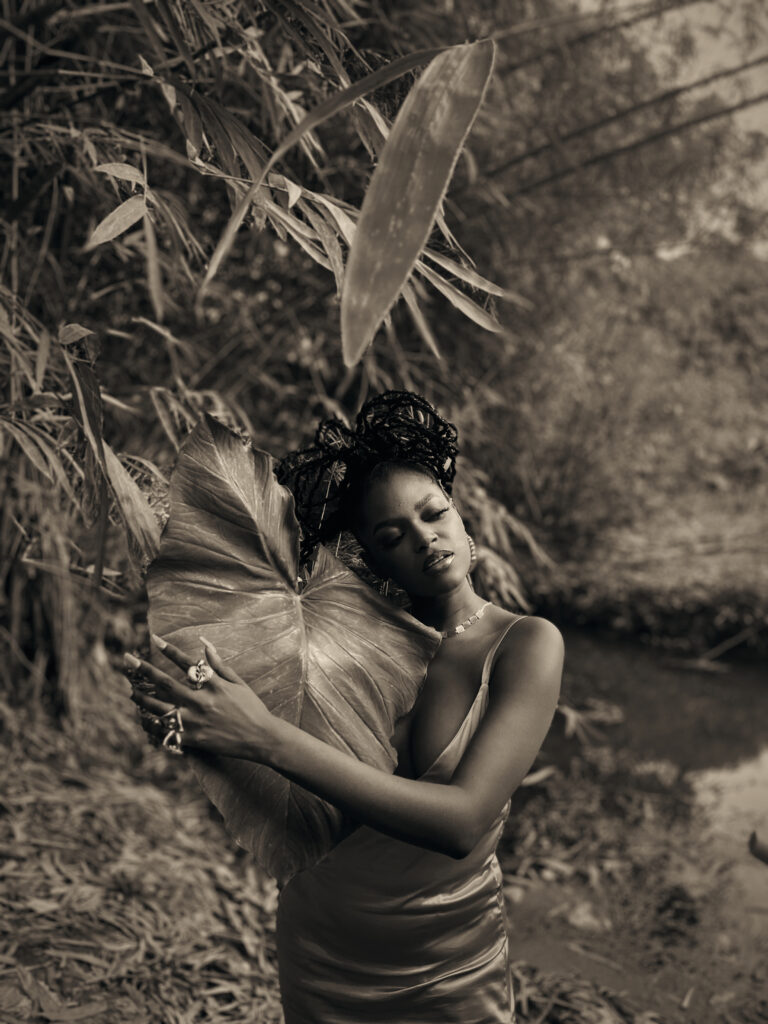
I know that I’m more comfortable speaking about how I’m feeling with women than with men. Women tend not to be so judgmental. They just journey towards the side of wanting to help you go through what you’re going through. Men, on the other side… I can’t really blame them, but I don’t expect much from anyone. I’m grateful to find my solace within taking pictures, which has helped me to express those emotions that I couldn’t really say. To be honest, it took me about three years to really grieve and to be able to channel the grief into my pictures.
In 2025, I went for a residency in Germany. When I returned, I felt joy afterwards and channelled the emotions into a project made for a textile transformation open call.
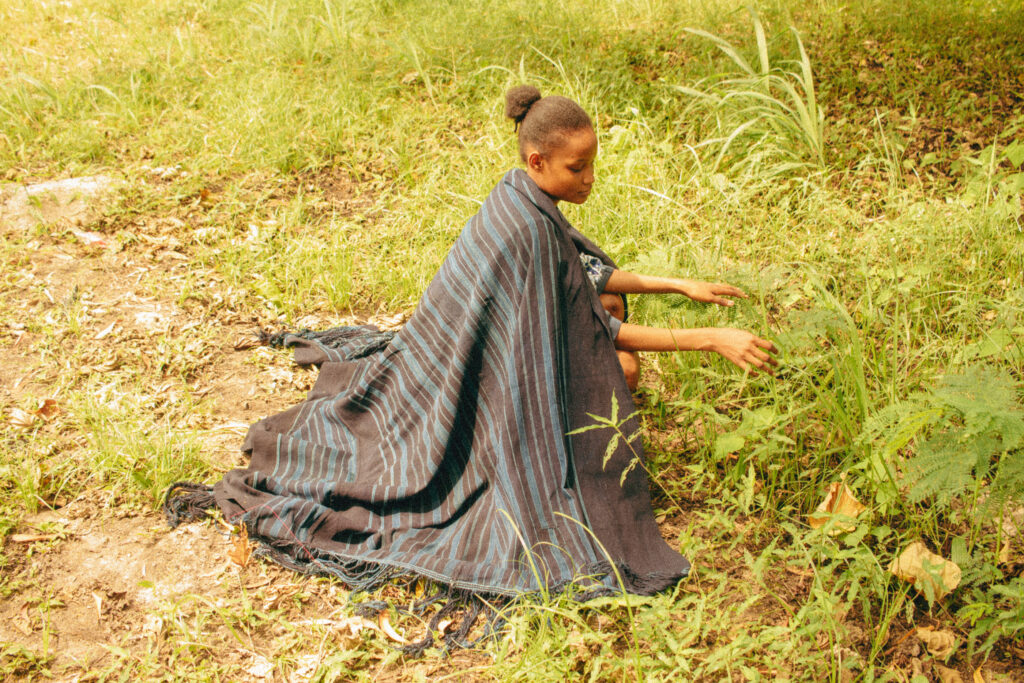
Some of the influences in my work come from my religious background. I was brought up in a Christian family, so I mostly thought that when somebody passes, they go to heaven. I also draw some inspiration from my cultural background by using some outfits, Agbada and different things that influence me.
The journey with my work has also led me towards loving nature a whole lot, but as Christians, one thing we were taught was that we own the world and that God created everything for us, which gives us this false sense of entitlement to every creature. I do believe that Christianity is very good, but that particular thing made me look elsewhere. For me, I took some things from Christianity, like my faith, and then I look for ways that I can be kind, because the entitlement means many people believe they can just do anything. Christianity preaches kindness to your neighbours, but insects, birds … those things are also your neighbours, and the way we treat chickens in the world is alarming. Just because we have Christmas, we kill them. There’s not much I can do, but overtime, I want to be able to leave an impact and an understanding that these things are equal to us. We might have a different vibration on how we communicate, because language is species specific, but they do communicate. They do have souls and feelings, and they should be treated with respect.
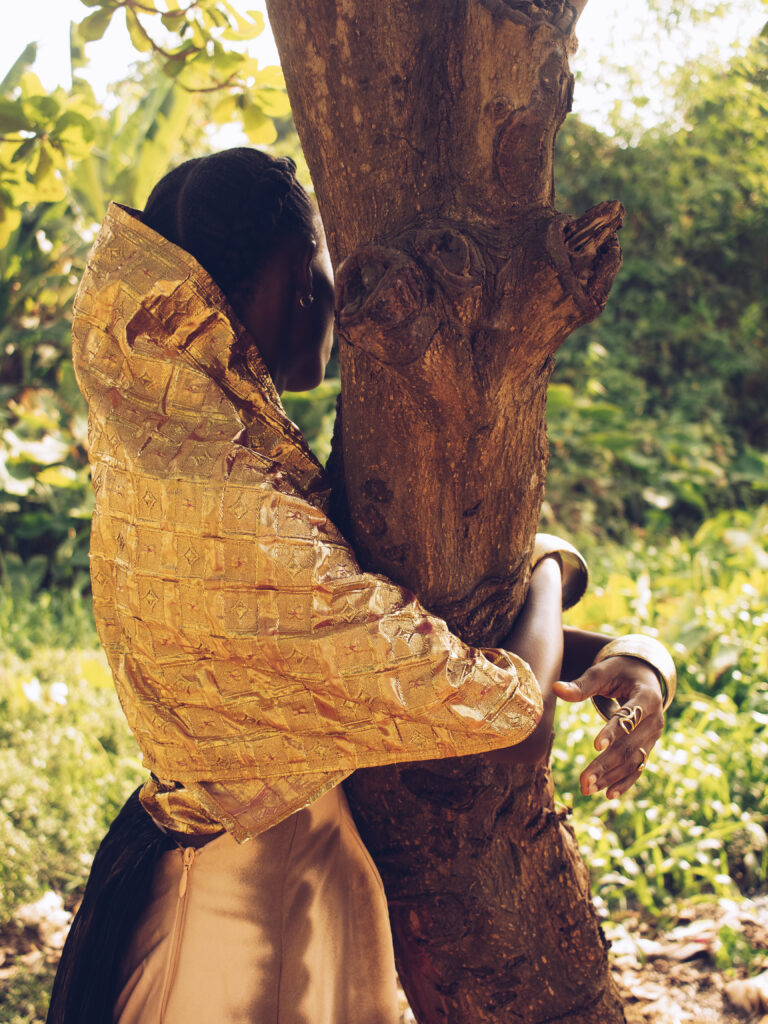
I want to be able to tell fashion stories that merge how we should treat nature, by working with brands that also journey towards that direction.
In Nigeria, I do collaborate, but my approach here is centred around the image rather than the story. Although, one thing I will say about Lagos in particular, is the energy, which was really helpful to push my work this far. I don’t know how it is everywhere else in the world, because here, if you want to create five projects in a week, there are people that are available. It’s like they have this energy which made it very easy for me to just keep putting out work, putting out work, putting out work, which was very beautiful early on in my career.
I’m really grateful for everyone I work with because I know it’s a team effort. I couldn’t have done it on my own, although everything just went easy since I started. I even remember my first picture that went viral was called Pain and Pleasure. I was surprised by how widely accepted it was based on how casually I created the image. I used to tell my friends, “Ok, this is weird”, because I know I’m supposed to get critiqued to get better.
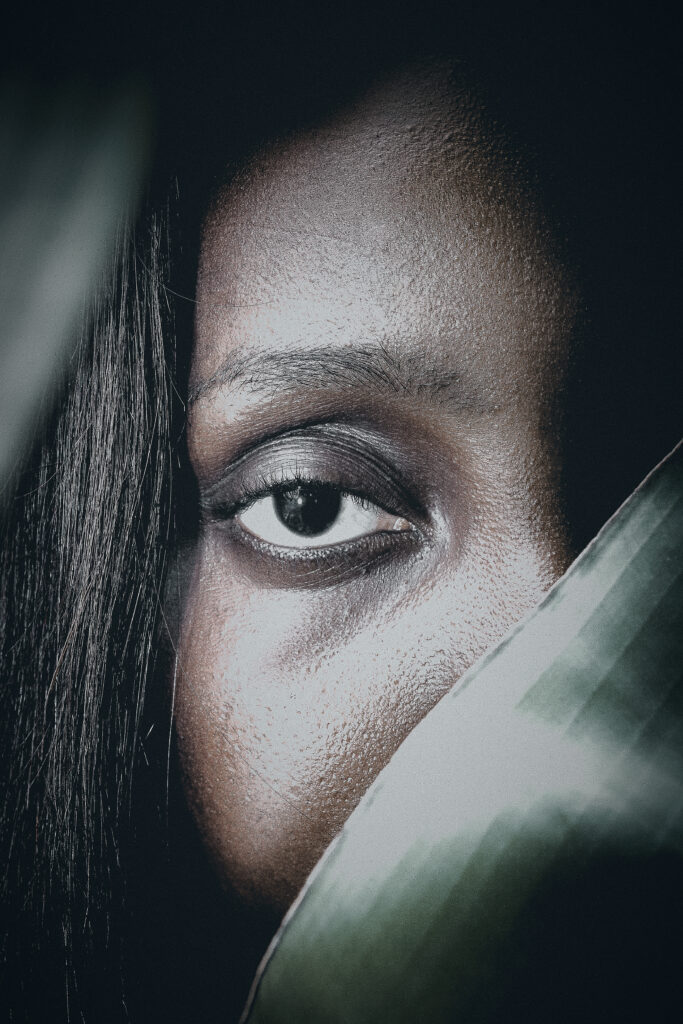
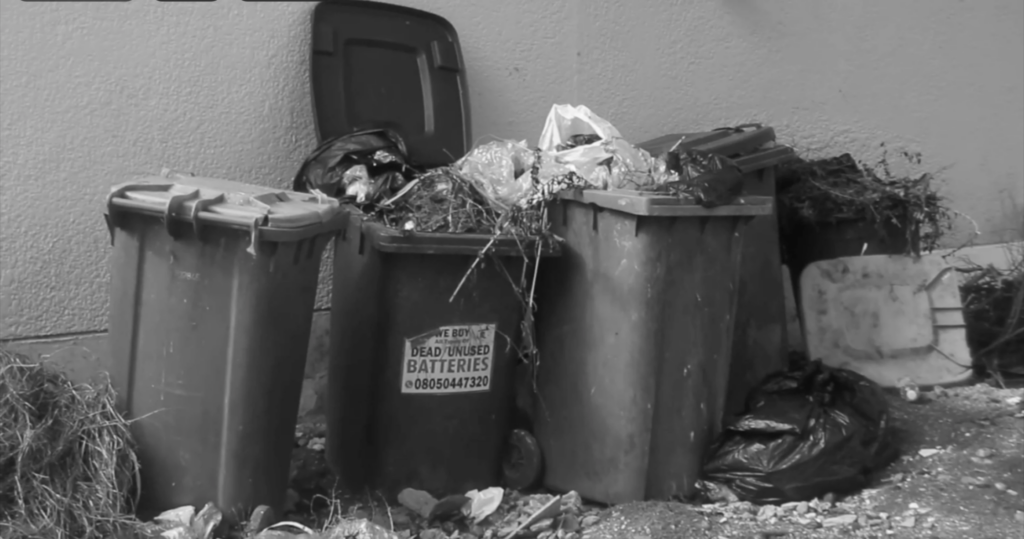
I do use social media platforms, just to build connections and for people to find me. I remember one time I got a call from Instagram, and they were like, “Oh, your work is so good. You should take your videos as portraits in a way that they can go viral”. I told them, no. I’m not creating my work to go viral. As long as people understand when they come to my page, why I’m creating the work, I’m fine, even if I have 50 views. There has to be a story, even when I’m shooting objects. There’s a project – Everything is Temporary – where I shot a dust bin. I think back then, I was trying to talk about how humans, when we are done with things, we just discard them. That’s the mentality around how we treat ourselves when we are done with getting the things we want. We discard other people, even a partner. I saw how this is the same way we treat nature but honestly, I don’t overthink anything when it comes to taking images. I just try to express myself and let my instinct guide me.”