Words: Nana Ocran
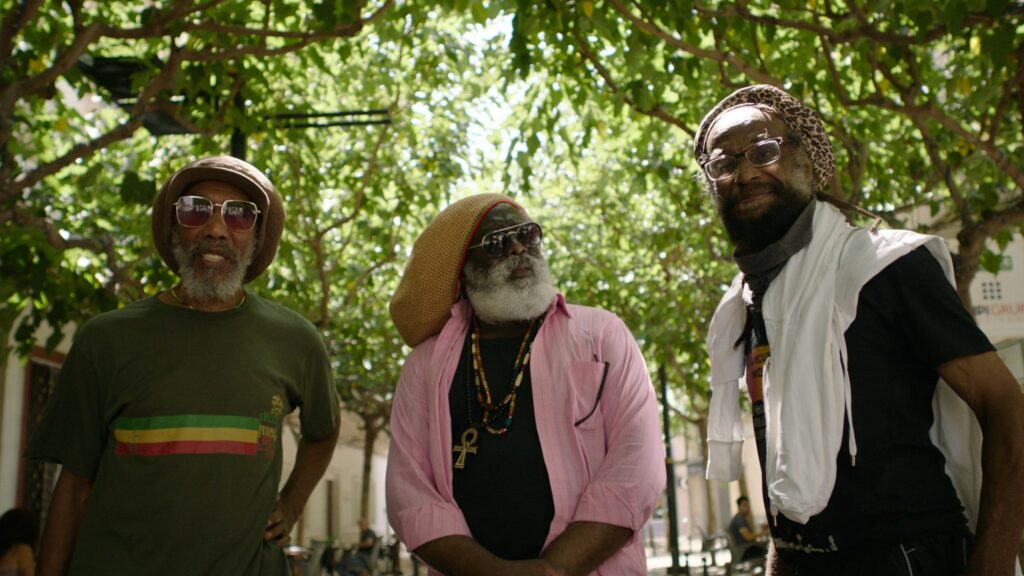
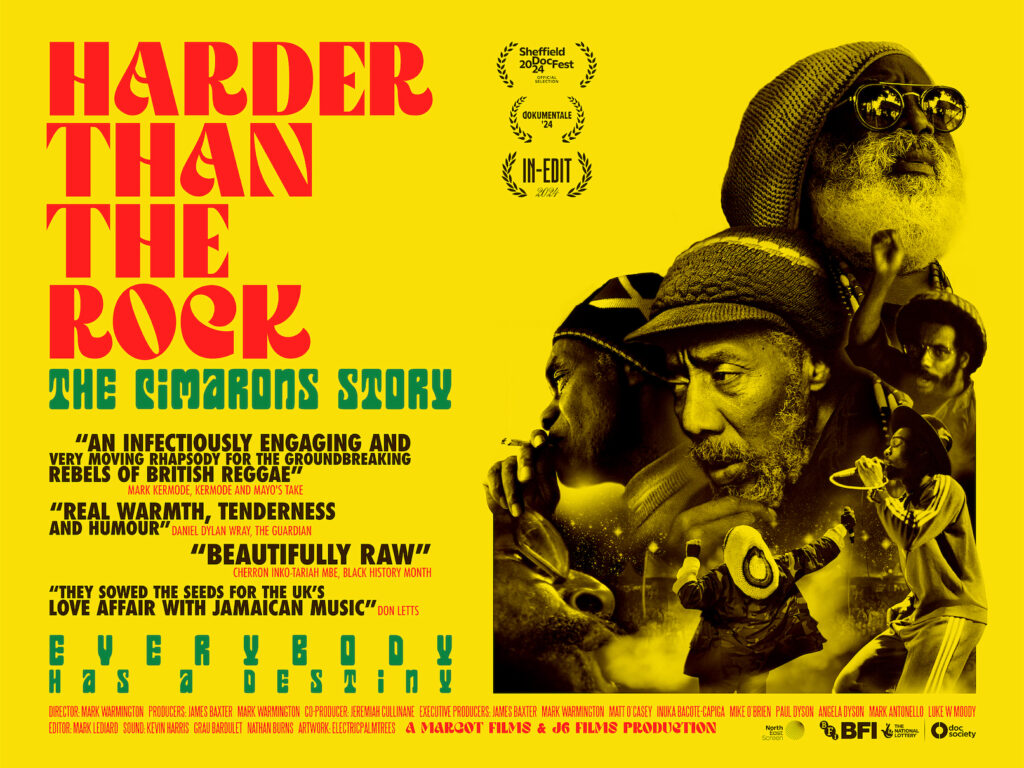
“We are African, but we are Caribbean people…some of us don’t recognise that, but I do. We do.’ So said bass player Franklyn Dunn over the mellow strains of the song, Ethiopian Romance in the documentary release of Harder Than the Rock. The film is a one hour, forty-minute cinematic story of the Cimarons, the London-based band who first got together as a roots reggae collective back in 1967.
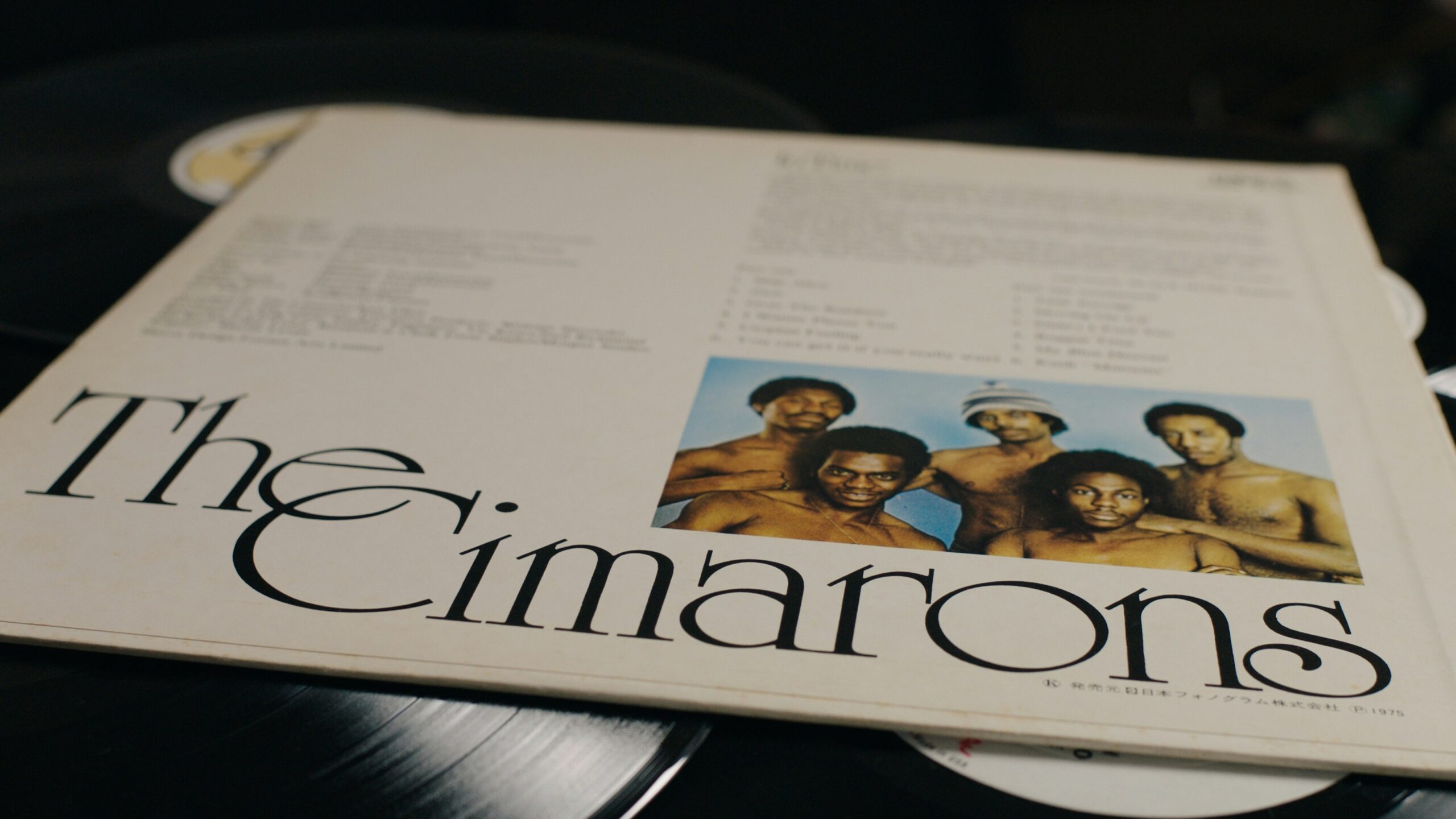
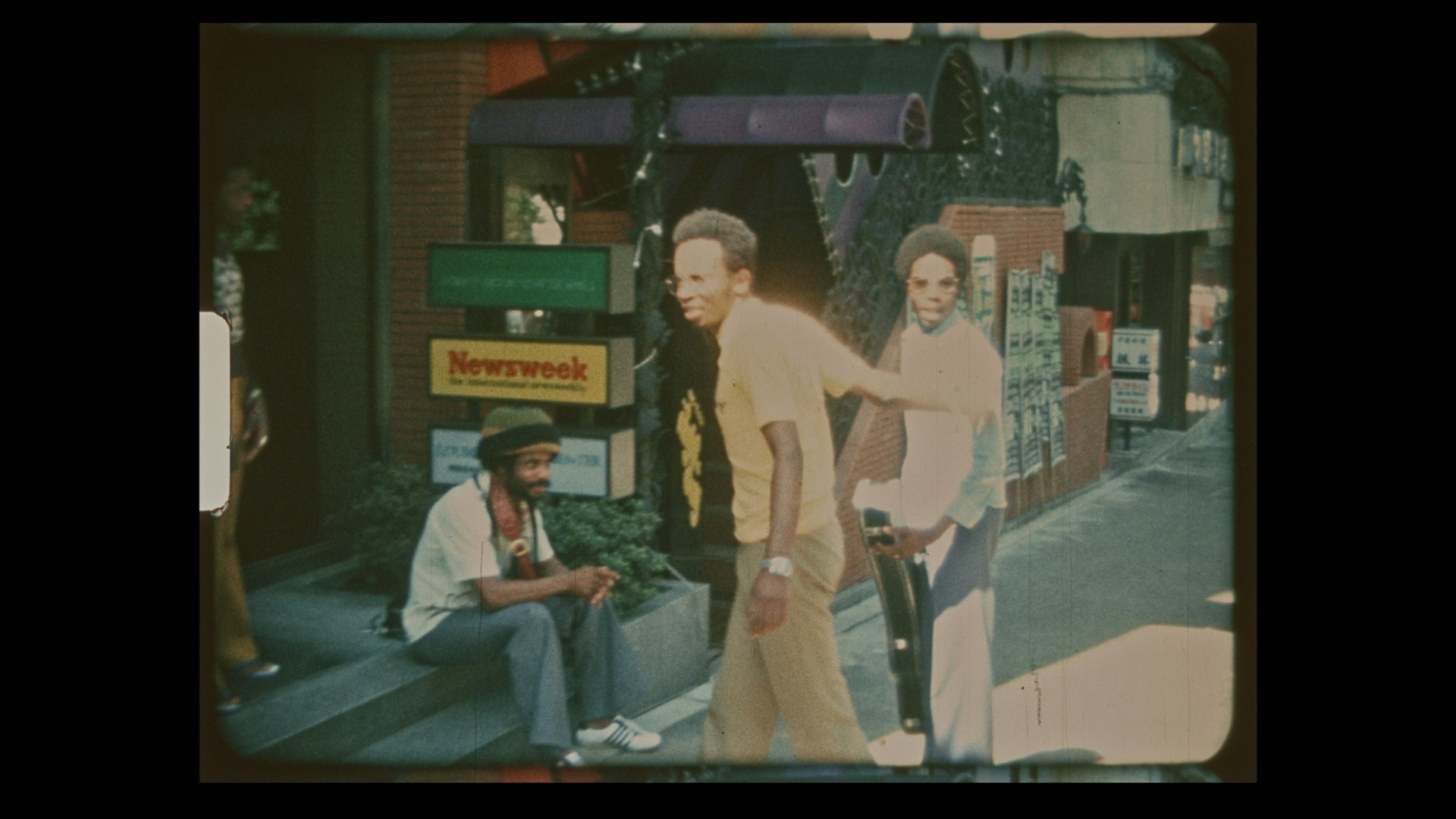
In a departure from a more typical Africa or diaspora located story, People’s Stories Project settled in to find out some of the background to the joys, successes, hard realities and contemporary revival of the remaining, post-retirement-age members, whose five-years-in-the-making story has been captured by UK-based Filmmaker, Mark Warmington.
A roll call of breakthroughs includes the fact that the Cimarons were the first band to take live reggae to Japan, Thailand and Ireland during the 70s, but prior to that, were the first to take reggae to West Africa, with Ghana and Nigeria being their destinations.
Seen predominantly as a backing band, they were always the go-to for Jamaican artists touring the UK, with Jimmy Cliff, Ken Boothe, Bob Marley, the Pioneers, Heptones, Toots & The Maytals and DJ Denis Alcapone all calling on their rhythmic mastery.
It was Marley who wanted to entice the Cimarons to join him on a permanent basis, but for guitarist, backing vocalist and core founding member, Locksley Gichie, there was no way. ‘The Cimarons is my baby’ he says in the documentary.
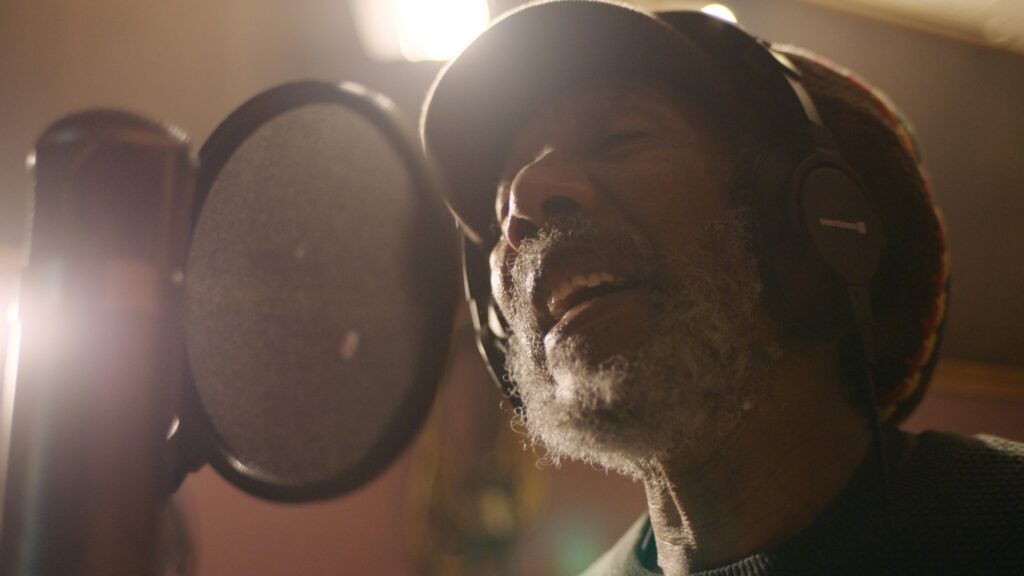
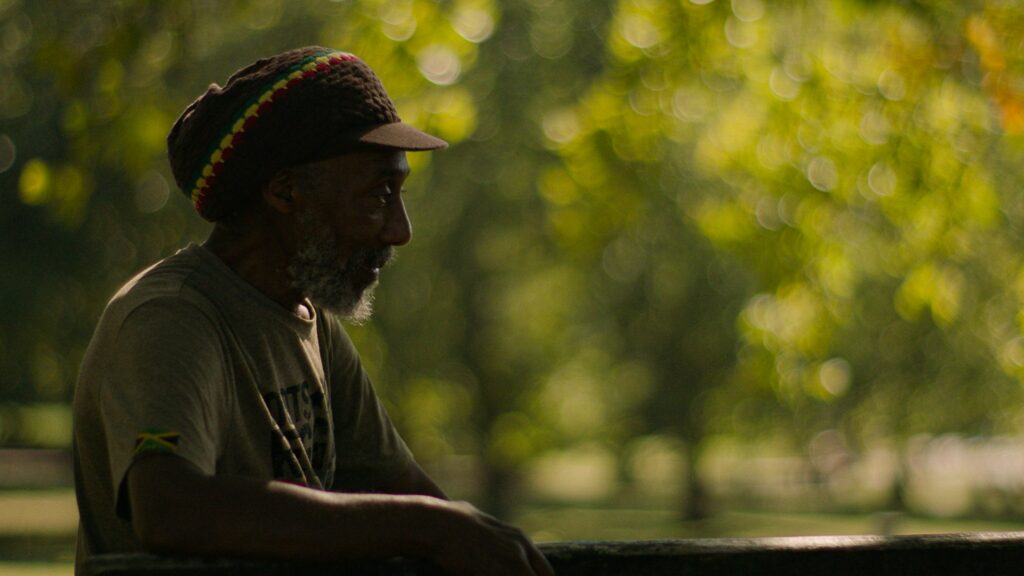
His band’s name comes (partially) from a Western TV show – Cimarron Strip. With Cimarron meaning ‘wild and free’, it became the re-spelled title and philosophy of a band whose members had come to the UK as children and subsequently used their new musical influences to fuse roots and experimental rock inspired sounds that they manifested through their own albums. A significant part of their work also featured collaborations with Trojan Records, producer Lee ‘Scratch’ Perry and by the early 1980s an alliance with Paul McCartney in an ambitious, but ultimately mark-missing, enterprise.
It’s a tough fact that the band, over the last few decades, has slipped from the consciousness of many music listeners, which is down to a few factors.
“Once you’re not the front person you’re invisible” says Mykaell Riley, founder member of British roots reggae bans Steel Pulse, during the film. “You’re there but you’re not there, in terms of the press, the media and how it’s reported on.”
Heavily influenced by the Cimarons, the Steel Pulse members saw them as being an authentically Jamaican band, despite their London location. The fact the Cimarons’ half-century-worth of achievements has been limited to minimal materials and missing name checks on many of the tracks that they worked on makes Harder than The Rock a type of audio-visual archive of their past, present and ongoing future. Perhaps the documentary is a love note …or at least a contemporary boost for the band’s ongoing survival as a collective whose exploitation over the years is obscene according to Warmington.
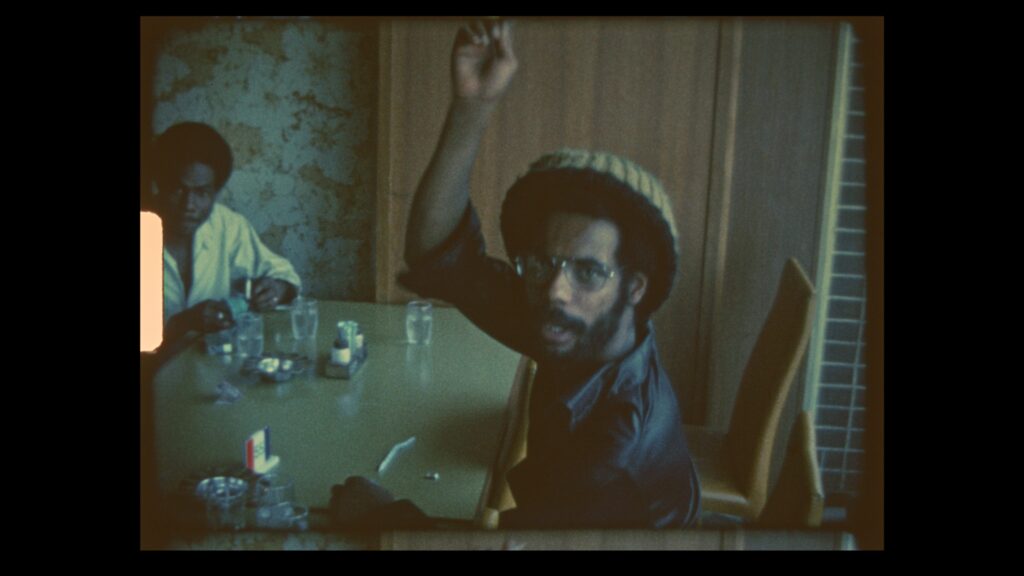
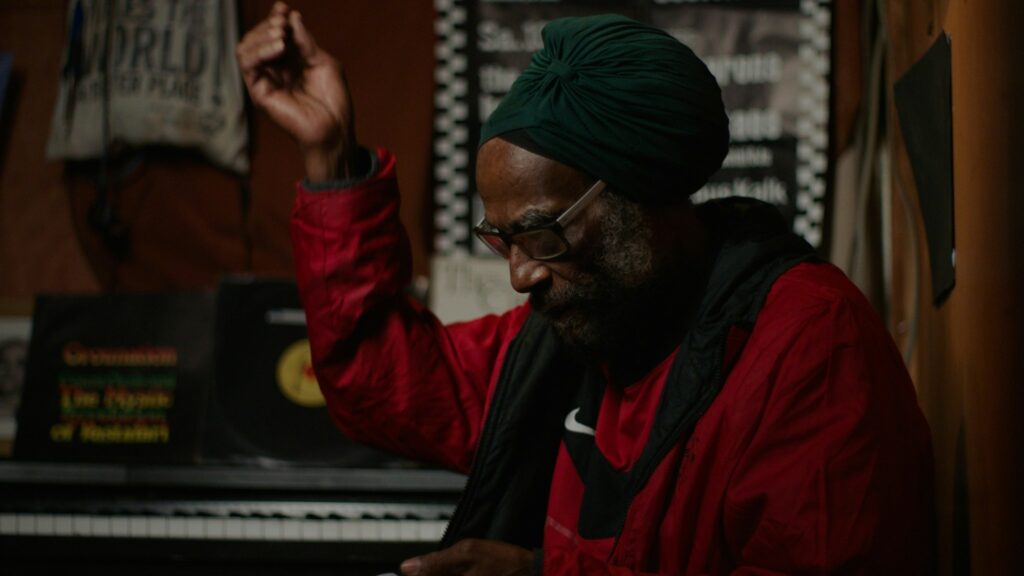
There’s also something about reggae, as a music genre, that seems to specifically suit young men, with the ‘70s and ‘80s aesthetics of a youthful Gregory Isaacs, Yellowman, The Wailers and even the post Marley-era (often controversial) stars including Elephant Man, Buju Banton, Sizzla or Capleton offering something that suits a young generation’s responses to their political environment. It hasn’t travelled culturally in the same way as Hip-Hop, so the tone and aesthetic often become something different when reggae artists get older; and of course, there are also the heartbreaks. The Cimarons founding member and longtime drummer, Maurice Ellis passed away in 2021, followed by musician and songwriter Bobby ‘Dego’ Davis in 2024.

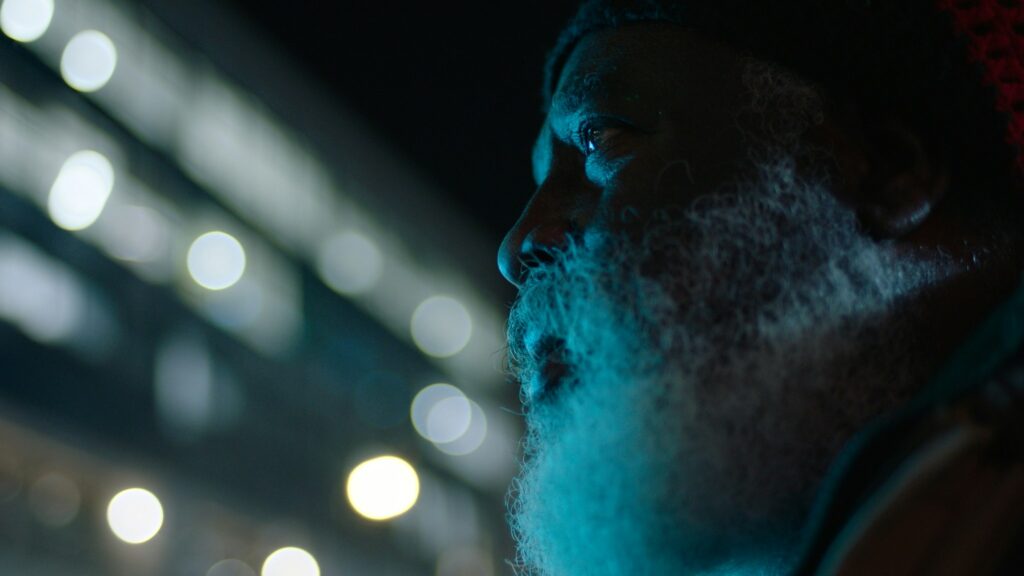
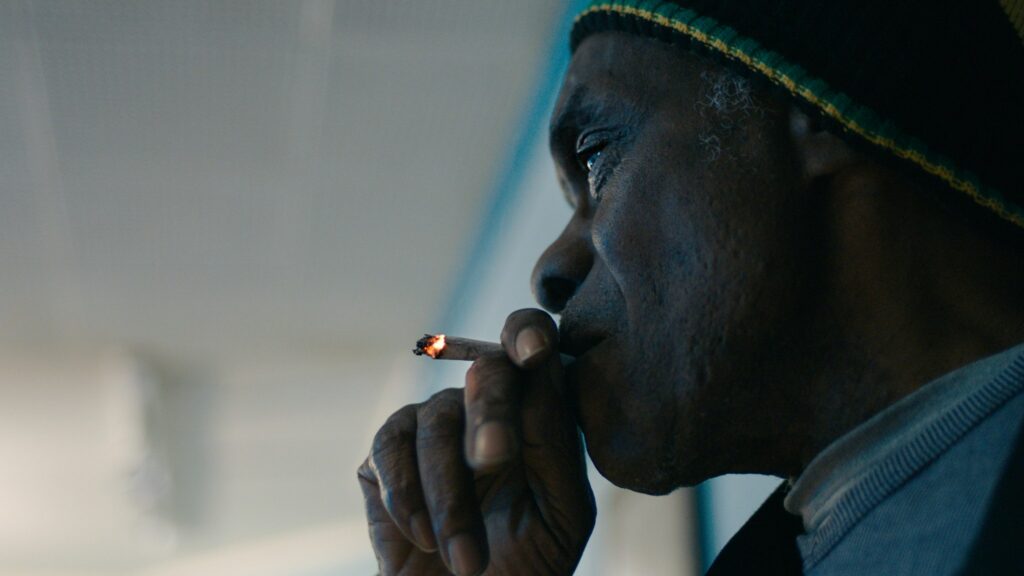
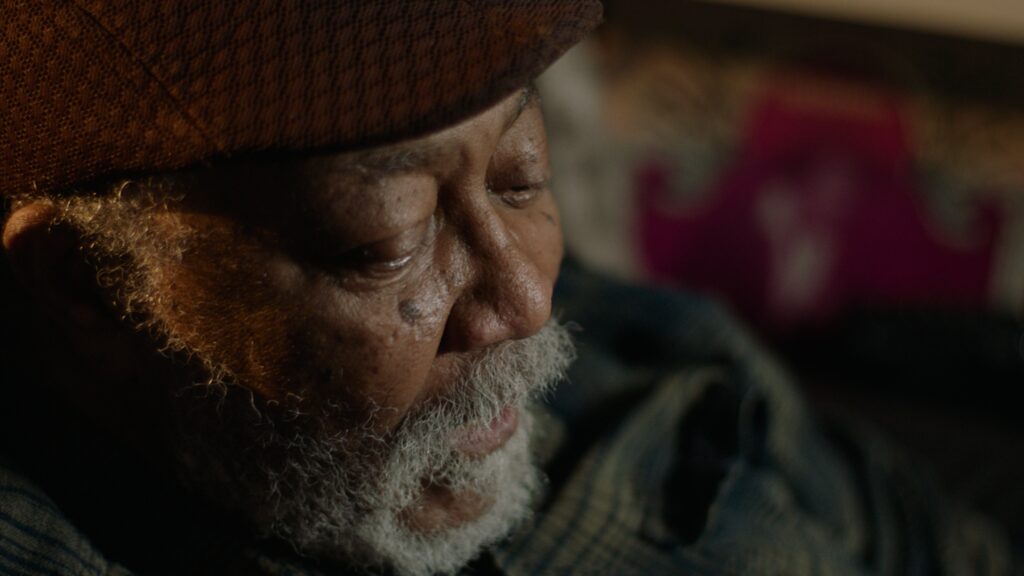
Of the current documentary, Warmington feels that ‘it won’t really date, in the sense that you could watch it in 20 years’ time,’ which is true if the streaming platforms remain accessible. ‘There’s a bit of an educational aspect to it’ he adds. ‘It’s a dying generation, so the main thing now is to try to spread [the film] as far and wide as possible. We’re going to take it to some festivals abroad next year because this will really help the band.’
Harder than the Rock is coming to streaming platforms in 2025.