‘I want the viewer to see me through my images, because all my work is around the experiences that I’m feeling, about events in my life; about me as a woman. The images somehow tell my story.’
‘Je veux que le spectateur me voie à travers mes images, car tout mon travail tourne autour des expériences que je ressens, des événements de ma vie; sur moi en tant que femme. Les images racontent en quelque sorte mon histoire’.
As a photographer, Kani Sissoko has always thought about how she could convey emotions through images. Born in Bamako in 1988, she discovered the art of photography while doing an internship at the National Museum of Mali. Her personal work has included four series on art photography through which she evoked elements of society and the things that speak to it – Roots, Affliction, Nocturnal Madness and Impact – some of which were exhibited during Bamako Encounters in 2019. She has shared some of the photographs from her series below …
When the walls speak [Quand les murs parlent]
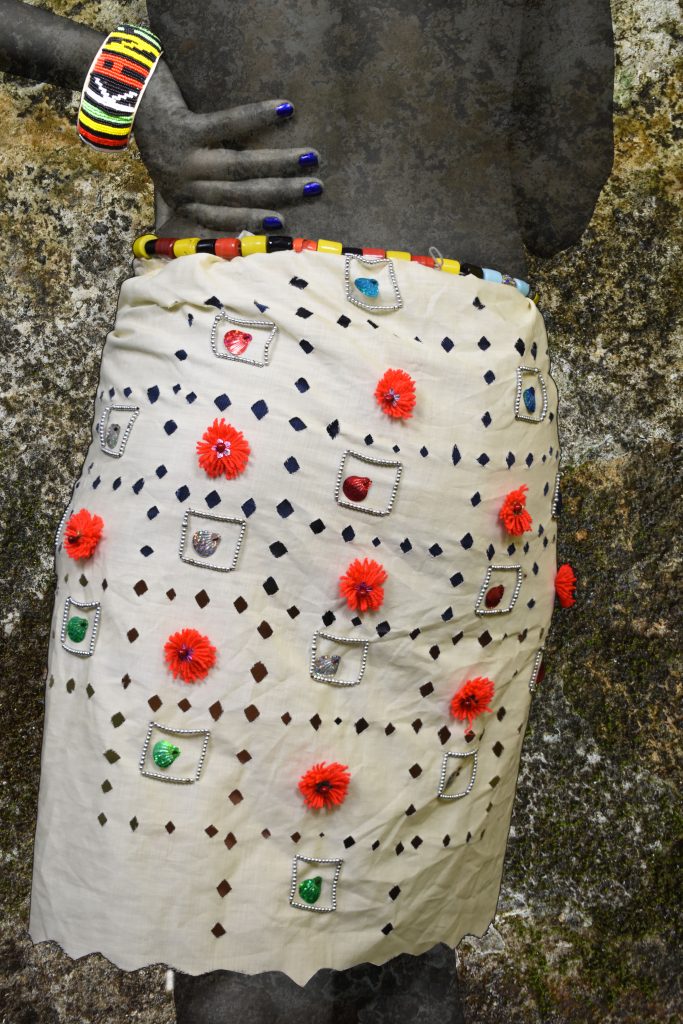
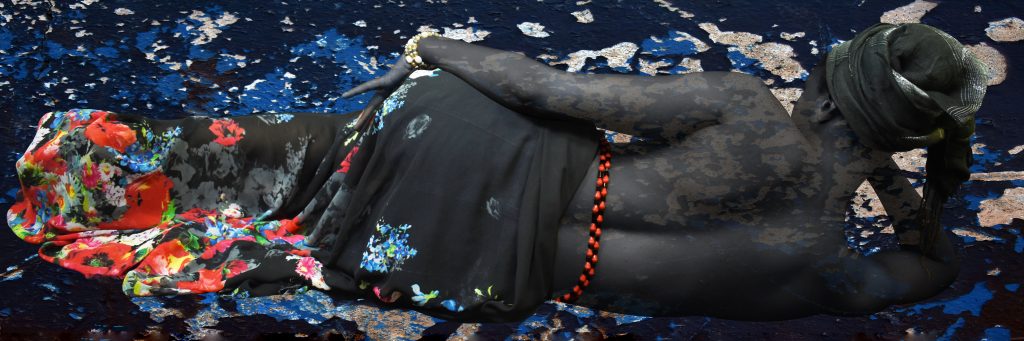
This series is about the link that exists between women and the wall, in our society.
Since the dawn of time, we have been talking about issues such as emancipation, empowerment, physical and psychological violence … but we do not generally go to the source of these questions or problems. The issue of the condition of women in our societies is in fact profound. From an early age we religiously instill in a woman that her husband is like her second God. That her salvation here and in the hereafter depends on the degree of submission and obedience she will have towards her man. Moreover, that this submission would be the condition of a better future for the children. As if the success, the life and even the destiny of the woman would come down to a marriage in which she must accept everything without a murmur.
Indeed, within the four walls of her home, the woman is often the object of a long list of acts and practices as unbearable as they are unacceptable.
Broken and reduced to silence, she has in reality only the walls of her home as true witnesses. These walls are also faithful confidants because she does not risk being judged, rejected or pointed out. A real open-air prison.
The objective of the When the Walls Speak series is to focus on the thought system in our societies in order to tackle questions at the source.
Education is the only way out.
Cette série parle Le lien qui existe entre les femmes et le mur, dans notre société.
Depuis la nuit de temps, on parle des questions comme l’émancipation, l’autonomisation, les violences physiques comme psychologiques … mais on ne monte généralement pas à la source de ces questions ou problèmes. La question de la condition des femmes dans nos sociétés est en fait profonde. Dès le bas âge on inculque religieusement à la femme que son mari est comme son deuxième Dieu. Que son salut ici et à l’au-delà dépend du degré de soumission et de l’obéissance qu’elle aura envers son homme. De plus, que cette soumission serait pour les enfants la condition d’un meilleur avenir. Comme si la réussite, la vie et même le destin de la femme se résumeraient à un mariage dans laquelle elle doit tout accepter sans murmures.
En effet entre les quatre murs de son foyer la femme est souvent l’objet d’une longue liste d’actes et de pratiques aussi insupportables qu’inacceptables.
Brisée et réduite en silence, elle n’a en réalité que les murs de sa demeure comme véritable témoins. Ces murs sont aussi fidèles confidents car elle ne risque pas d’être juger, rejeter ou pointer du doit. Une véritable prison à ciel ouvert.
L’objectif de la série quand les murs parlent est de mettre l’accent sur le système de pensée dans nos sociétés afin d’appréhender les questions à la source.
L’éducation est la seule manière de s’en sortir.
Root, photographic series, 2015 [Racine Série photographique 2015]
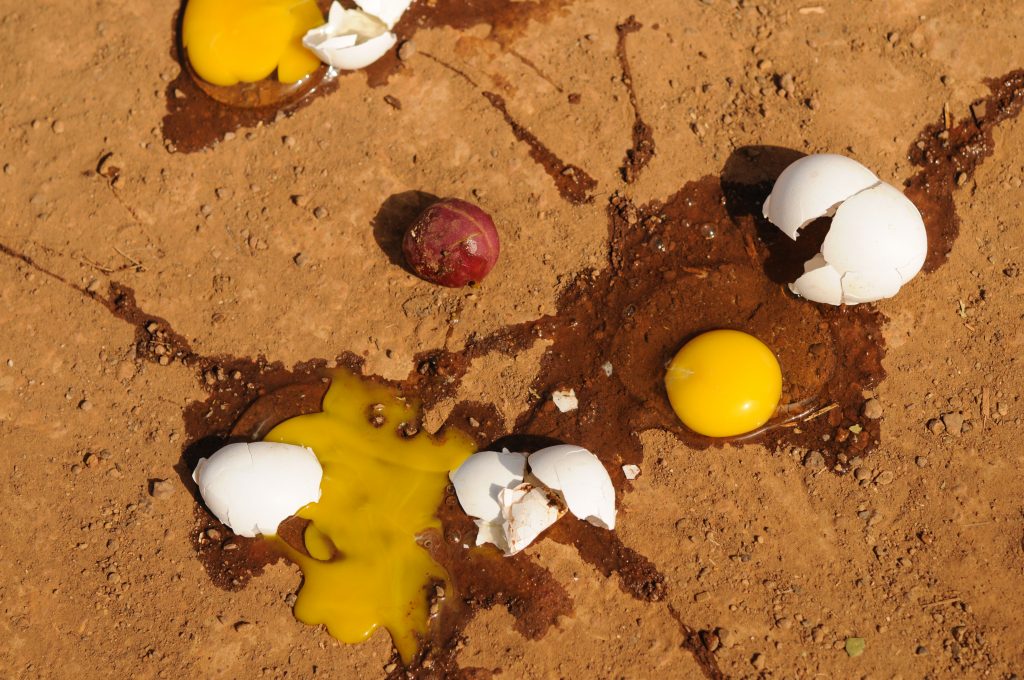
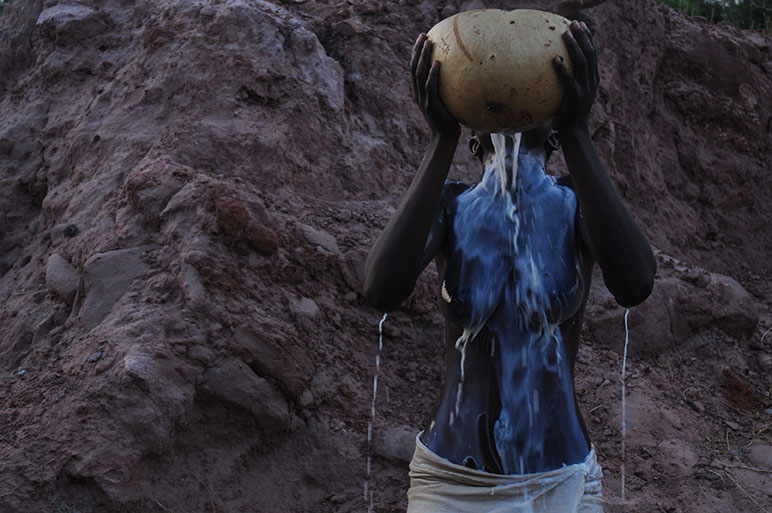
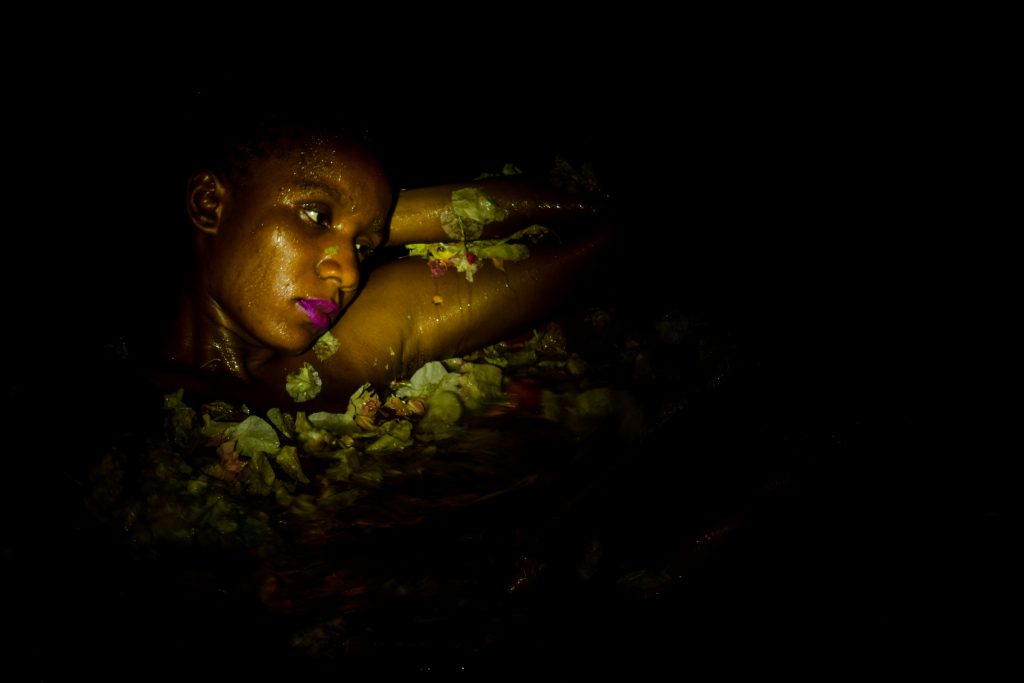
Despite the certain influence of various religions from the West or the East, which make us Christians, Muslims or Buddhists, when we are beset with difficulties, we return to our sources: geomancy, cowries, immolations, mystical baths, rituals, incantations … Our root, deeply animist, therefore resists time and space, and is like a last resort that seems to give us more confidence, despite our faith.
Through this series, I would like to present this African reality, which does not prevent us from cohabiting with other cultures.
Malgré l’influence certaine de religions diverses venues de l’Occident ou de l’Orient, qui font de nous soit des chrétiens, soit des musulmans ou des bouddhistes, lorsque nous sommes assaillis de difficultés, nous retournons vers nos sources: géomancie, jets de cauris, immolations, bains mystiques, rituels, incantations … Notre racine, profondément animiste, résiste donc au temps et l’espace, et constitue comme un dernier recours qui semble nous donner plus d’assurance, malgré notre foi.
A travers cette série, je tiens à présenter cette réalité africaine qui ne nous empêche pas de coha- biter avec les autres cultures.
Affliction photographic series, 2015 [Affliction Série photographique 2015]
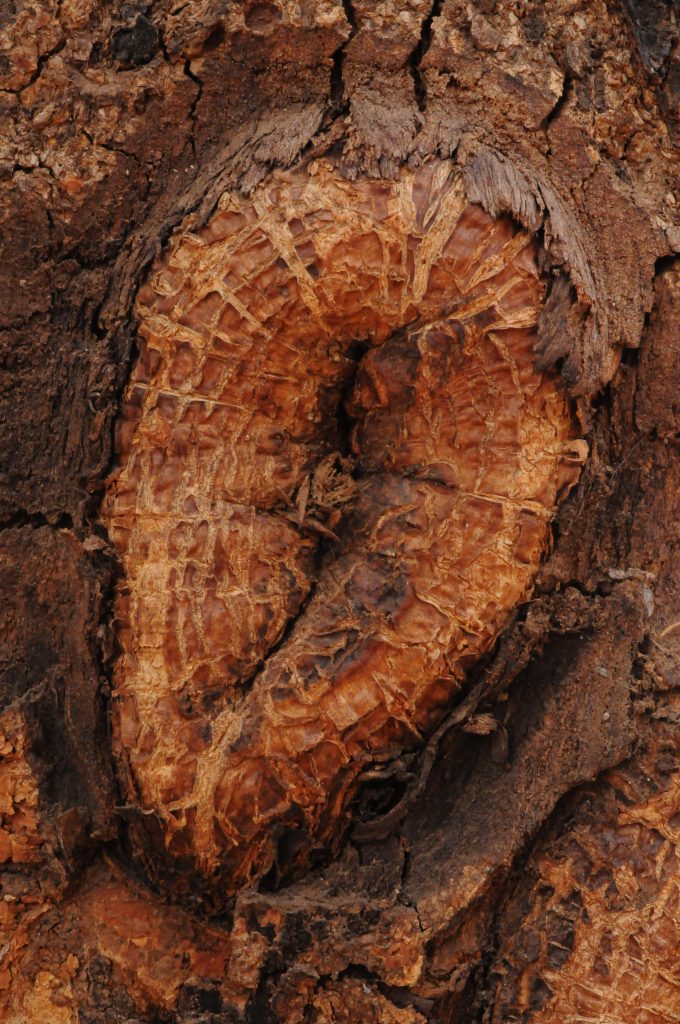
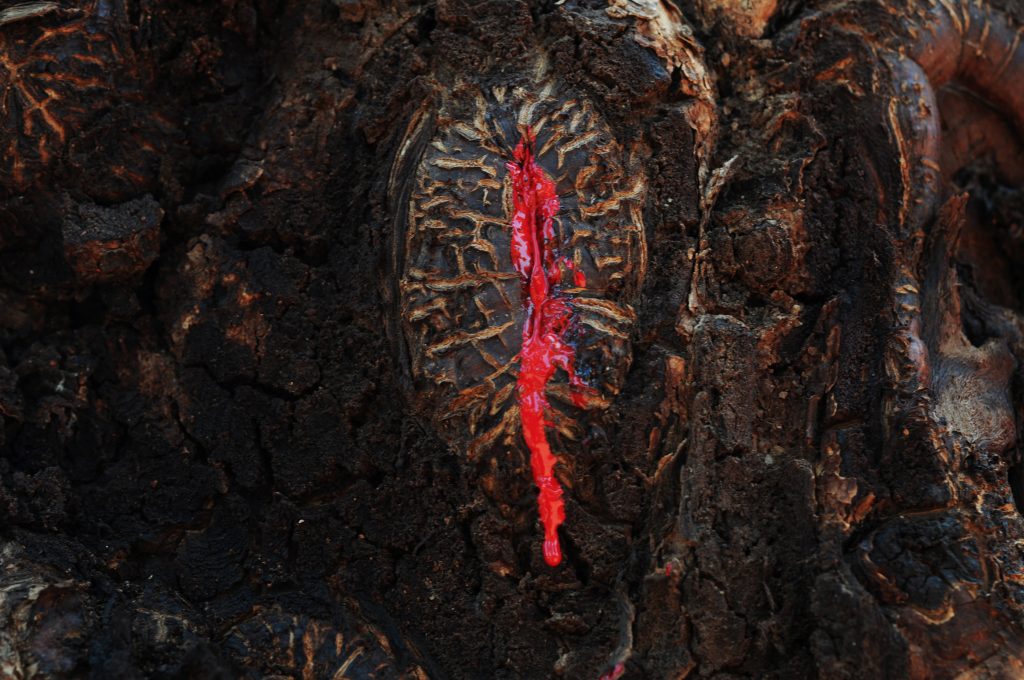
While walking I often observe tree trunks marked by humans during rituals or sacrifices. I am sensitive to these wheat bark which, as it heals, takes on strange colours and shapes that evoke nature and the body of women. These images refer us to ourselves, question us about our actions to transform the world and their impact, question us about our behaviour and the legacy bequeathed to future generations.
En marchant j’observe souvent les troncs d’arbre marqués par l’homme lors de rituels ou de sacrifices. Je suis sensible à ces écorces blésées qui en cicatrisant, prennent des couleurs et des formes étranges qui évoquent la nature et le corps de la femme. Ces images nous renvoient à nous même, nous questionnent sur nos actions de transformation du monde et leur impact, nous interrogent sur notre comportement et l’héritage légué aux générations futures.
Nightlife madness photographic series, 2018 [La folie nocturne série photographique, 2018]
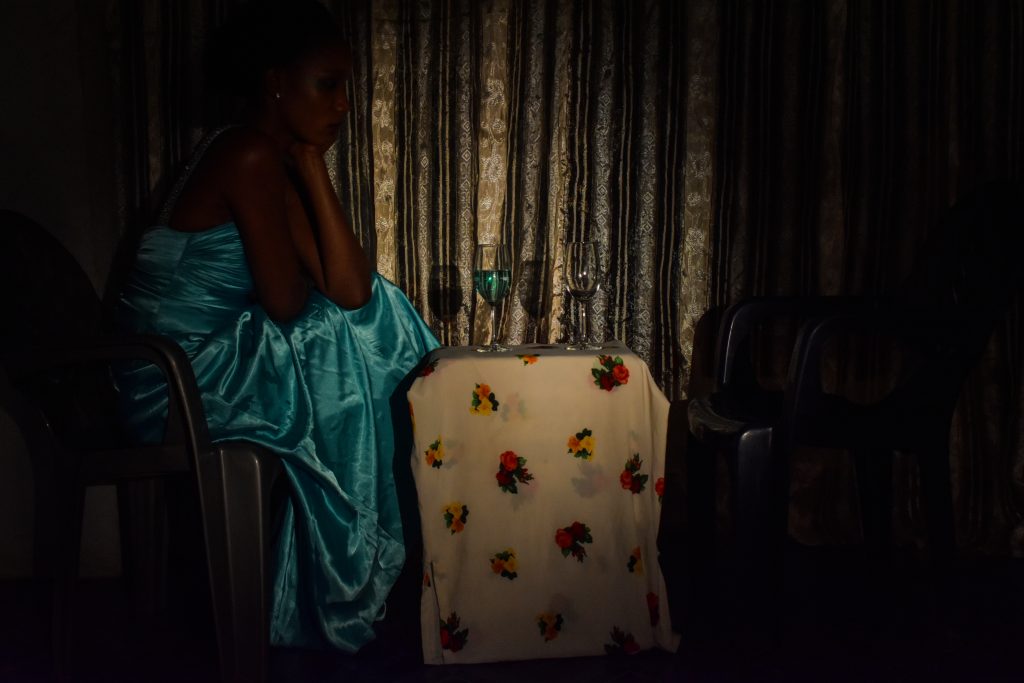
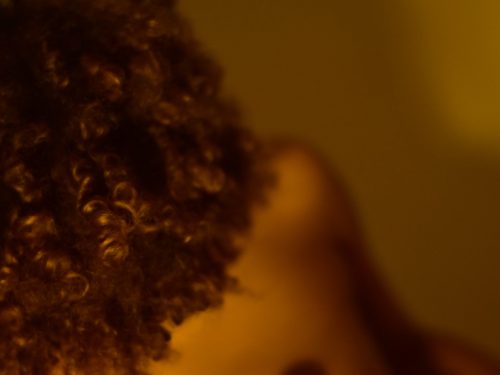
If there is a time in life when the soul finds itself wrapped in the worst torments, it is sentimental breakup, separation.
This moment is well known, even if the intoxication of love that makes everything look rosy may suggest that we can be spared. And yet, the separation is there which threatens each meeting. So, when it intervenes, it is desolation, bitterness, loss of self-control … It is a moment of mental disturbances and excessive stress where, in solitude, our imagination, above all. when night falls, constantly travels from one crazy idea to another.
This series was made at the heart of this passage, which is part of the trials of love. This terrible moment when you think you see or feel being lost through objects, where you feel yourself wandering in the tunnel of feelings and memories lived before the breakup.
These images reflect this moment of anguish with its avalanche of contradictory feelings that create a crazy atmosphere around us.
S’il est un moment de la vie où l’âme se trouve emballée dans les pires tourments, c’est bien celui d’une rupture sentimentale, d’une séparation.
Ce moment, nul ne l’ignore, même si l’ivresse de l’amour qui fait voir tout en rose peut faire penser qu’on peut en être épargné(e). Et pourtant, la séparation est là qui guette chaque rencontre. Alors, quand elle intervient, c’est la désolation, l’amer- tume, la perte du contrôle de soi… C’est un moment de perturbations mentales et de stress à outrance où, dans la solitude, notre imagination, surtout quand tombe la nuit, voyage sans cesse d’une idée folle à une autre idée folle.
Cette série a été réalisée au cœur de ce passage qui fait partie des épreuves de l’amour. Ce moment terrible où l’on croit voir ou sentir l’être perdu à travers des ob- jets, où l’on se sent en train d’errer dans le tunnel des sentiments éprouvés et des souvenirs vécus avant la rupture.
Ces images reflètent ce moment d’angoisse avec ses avalanches de sentiments contradictoires qui créent une ambiance de folie autour de nous.
Impact photographic series, 2017 [Impact Série photographique, 2017]
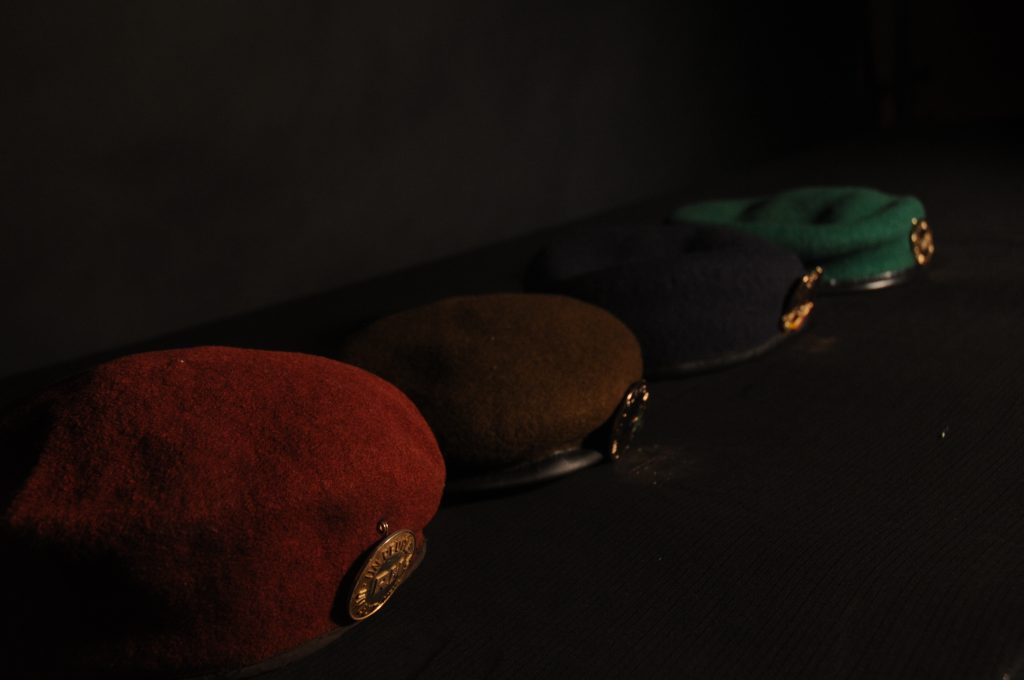
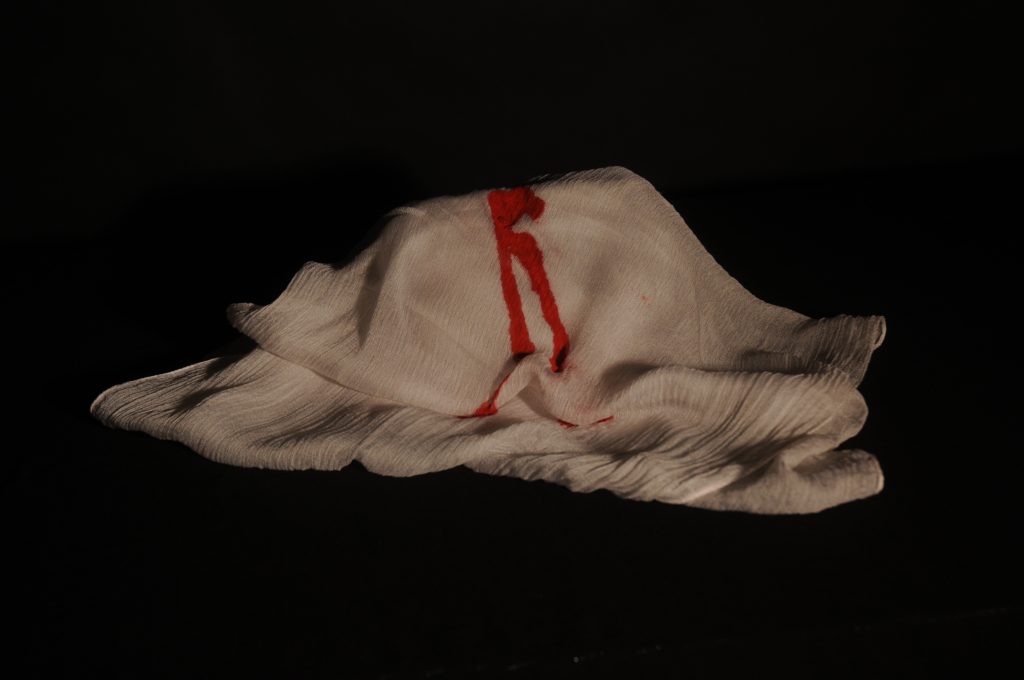
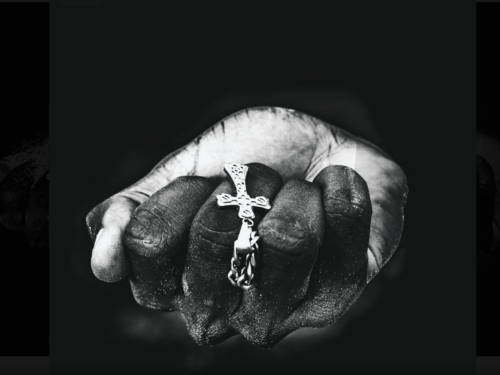
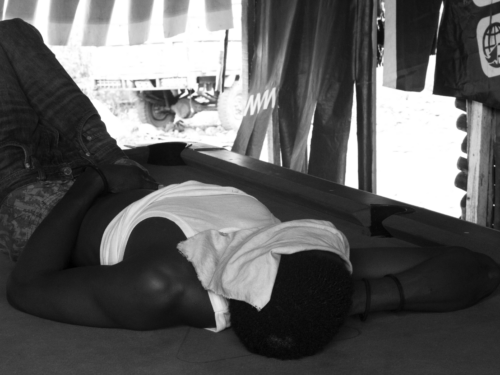
The recent armed conflict in northern Mali worsened an already dramatic humanitarian situation due to a pre-existing crisis and resulted in the displacement of around 600,000 people (mostly women and children) inside and outside national borders. It has also engendered violence marked by abuse, including extrajudicial killings, amputations by acts of torture, and sexual violence. These women and young people try to survive the consequences of the sexual violence that took place during the armed conflict. They suffer these traumas in silence. Children have suffered the impact of conflict, poverty and deprivation.
Le récent conflit armé au Nord du Mali a aggravé une si- tuation humanitaire déjà dramatique à cause d’une crise préexistante et entrainé le déplacement d’environ 600 000 personnes (pour la plupart des femmes et des en- fants) à l’intérieur et à l’extérieur des frontières natio- nales. Il a également engendré des violences marquées par des abus, y compris des exécutions extrajudiciaires, des amputations des actes de tortures, et des violences sexuelles. Ces femmes et jeunes tentent survivre aux conséquences des violences sexuelles qui ont eu lieu durant le conflit armé. Elles subissent ces traumatismes dans le silence. Les enfants ont subi l’impact du conflit, la pauvreté et les privations.
The 13th edition of the Bamako Encounters – African Biennal of Photography is scheduled to take place at various venues in Bamako, Mali from 20 November 2021 until January 20, 2022.