Interview: Nana Ocran
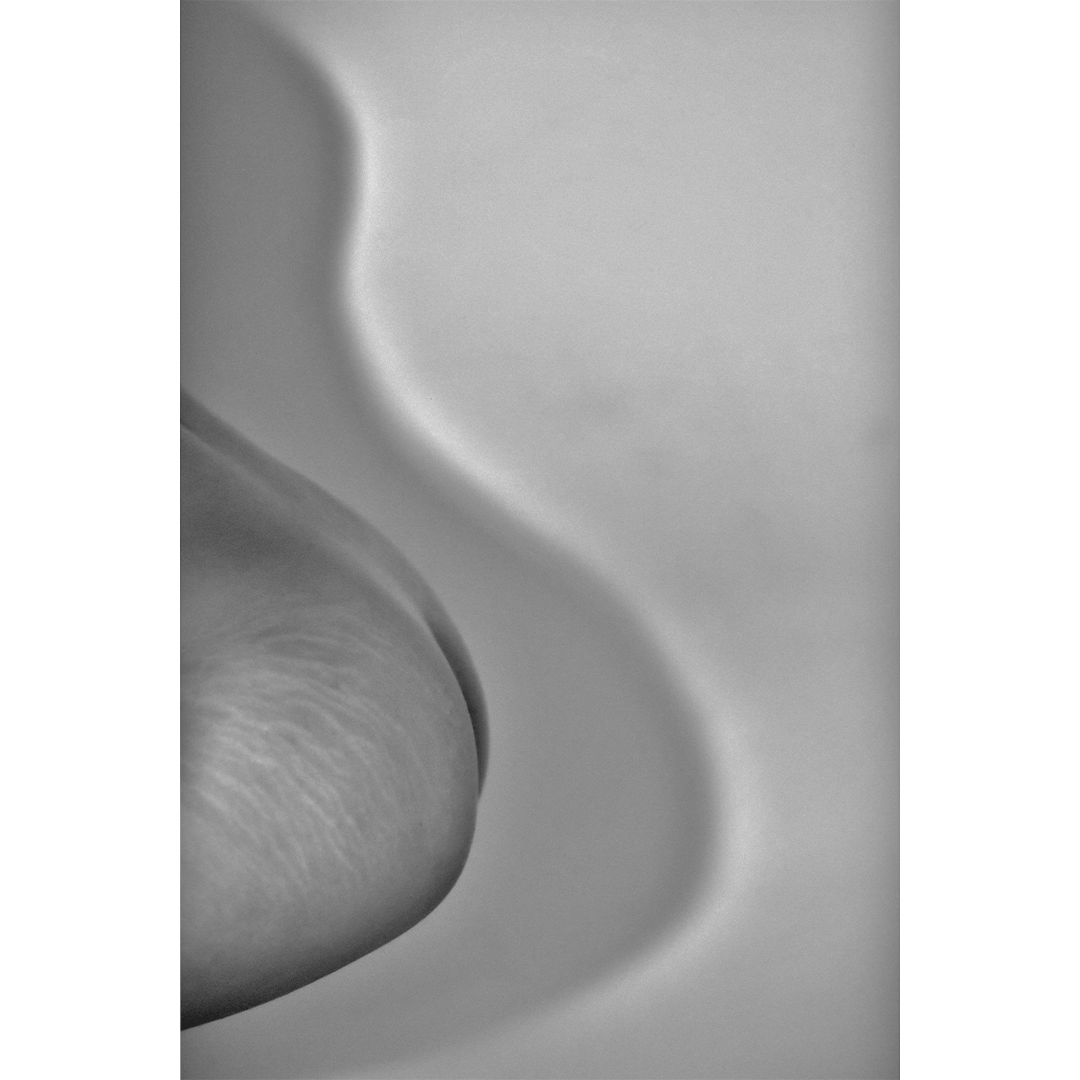
‘When I was thinking about this interview, I figured out that my influences are more part of the white culture than the black culture … Catherine Opie, Dorothea Lange, or Lewis Hine, the photographer who took the pictures of the workers on the building site.
I always wanted to make an approach to the topic of nudity. Years ago, I took some photography classes in the analogue way. My teacher was from the old school … Bill Claxton, Robert Mapplethorpe. I wanted to do something like an ode to Mapplethorpe, but it’s my responsibility to study more about the themes and topics so I can expand my possibilities and not just do a copy.
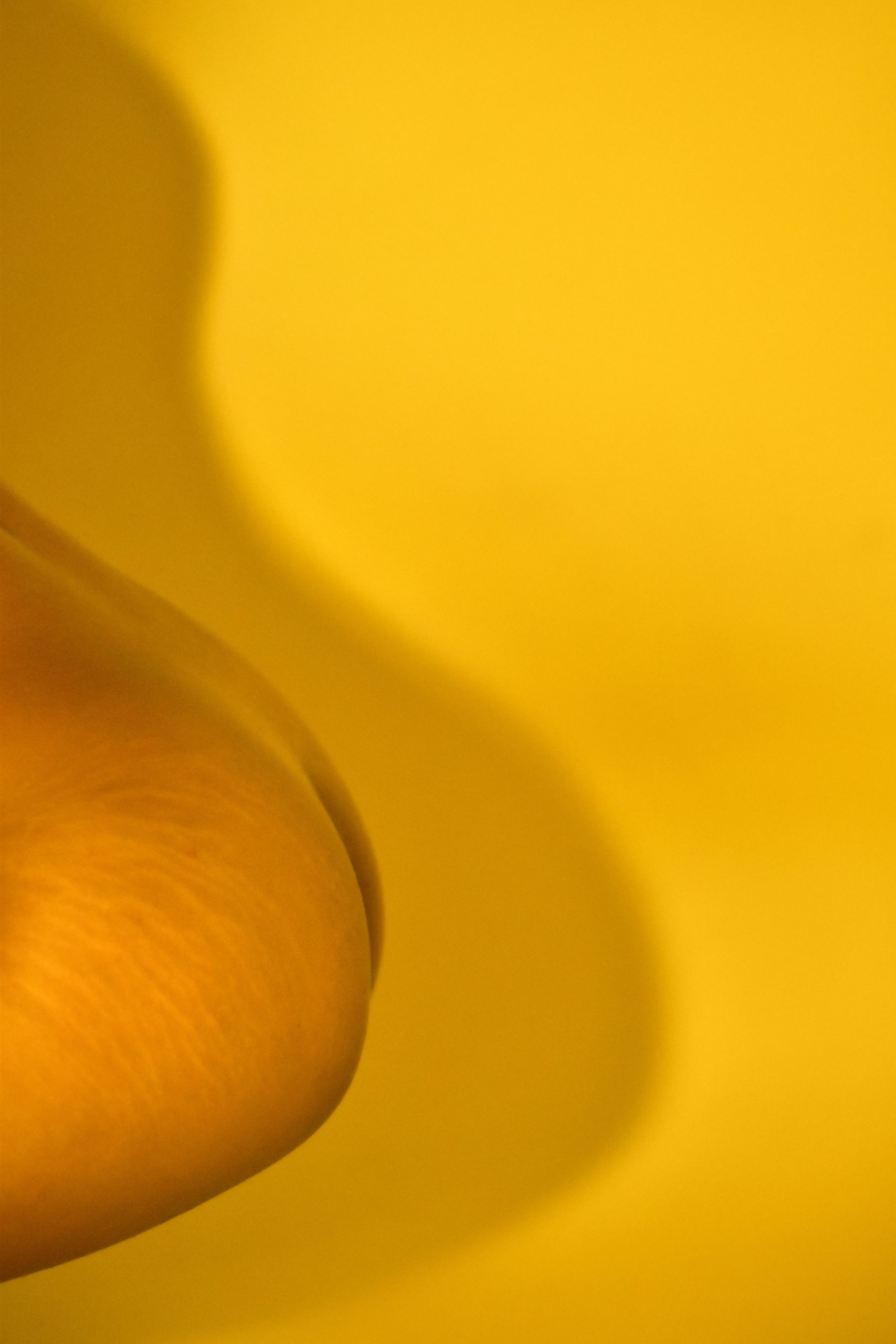
This picture is part of an Afro Queer series. It was taken during the pandemic when we were in the lockdown, so I was working with the facilities that I had, which was myself. I had this feeling of being a prisoner, or being grounded, and a little bit impotent, so I wanted to respond to that need of getting out of my own skin. It’s a document about my actual condition in that moment.
There are other parts of my body that you can see in the series. I was thinking, which one do I choose to show you, and curiously, the decision was taken when I was in anger, because at the time, I was feeling a bit of rage, like, man, why does the world have to be so tough with black people?
It was also a response to an assignment, because at the time, I was in a group that was learning how to communicate our own needs as Afro-American people. There were a lot of black people from different parts of Colombia, and I didn’t want to think about the colour of my skin…even when I was part of that community.
“I didn’t think about taking pictures of the day-to-day activities that you can do, or not, being naked.”
So, the original was in colour and then I put it in black and white because that was my aesthetic decision based on this topic about colourism. Sometimes, it’s not intentional, but we choose to stay in the details, and that can separate us as a society.
I made the picture in my bedroom at night, with one light bulb in the dark. It was very minimalist, and more like experimentation. I was thinking, what can I do with my own body. I didn’t think about taking pictures of the day-to-day activities that you can do, or not, being naked.
There’s another picture where I have a pose like I’m running, so maybe you can think about activities you can do besides the sexual ones. You want to run away when you’re naked because this is too much, or you want to escape from yourself, or do the impossible like running through the walls that are surrounding you.
“I was trying to enjoy myself. Trying to feel in control of something.”
The photo was taken when I was horizontal, and then I chose to turn it vertical because I was thinking in a more sensual-scatological point of view. Right now, in general I feel cool; less angry about everything in the world, but at that moment I thought, this is bullshit. I couldn’t go out, so I was trying to enjoy myself. Trying to feel in control of something. I was also in a role. Maybe myself, but a little more exaggerated.
Some people can dig it. Even with the most simplistic approach like “this is good photography”, “this is sexy”, “this is fun”, or “I don’t know what to say about this.” I wish I could hear if there were more negative thoughts about it, because the other way is more indulgent.
There’s a lack of opportunities to exhibit in Santa Marta, so my experience as a photographer has been more commercial, as a journalist and communicator, because that’s my background. When I exhibited, the opportunity came through my university. I documented what was going on in a normal day here. My topics were the working class. The fishermen.
Maybe I am a photojournalist because of my background, but I wish I could say that I’m more like an artist. I don’t know why.’
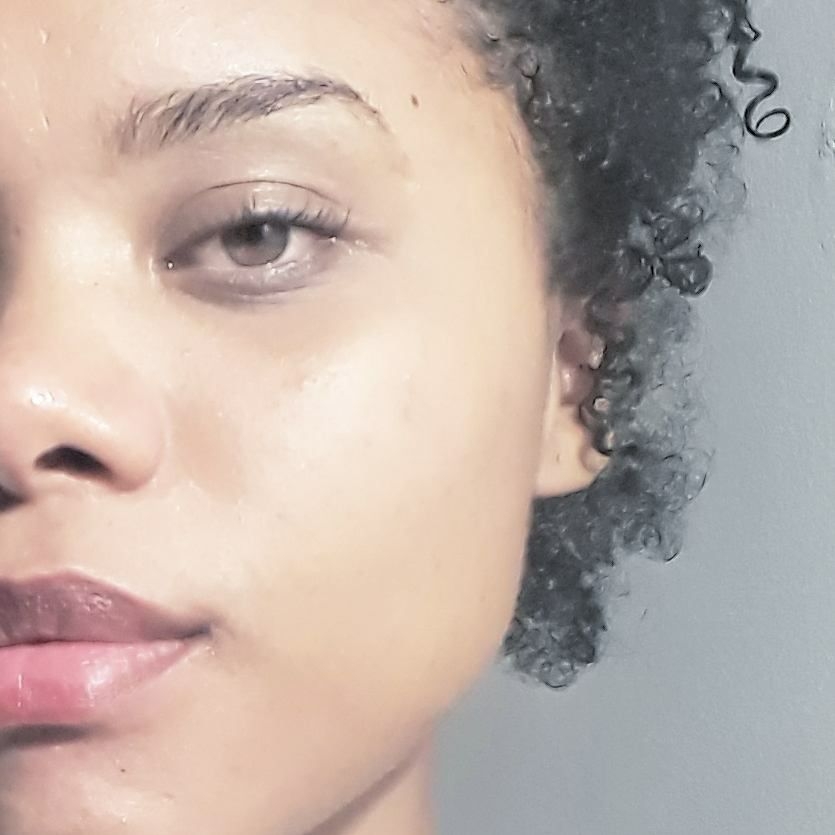
City: Santa Marta, on the northern Colombian coast.
What’s the best creative advice anyone has given you? Conversations about the human condition, about other artists and even life stories as personal essays are my best creative advice, so, I’ve had a couple of very good advisers.
What artistic or photographic words of advice would you give?
I think new photographers can teach more to us than we can teach to them, because after ten years everything changes.
IN MY WORDS is a series of short, first-person essays based on a conversation between People’s Stories Project and an artist, whereby the starting point is a single piece of their work.