Interview: Nana Ocran
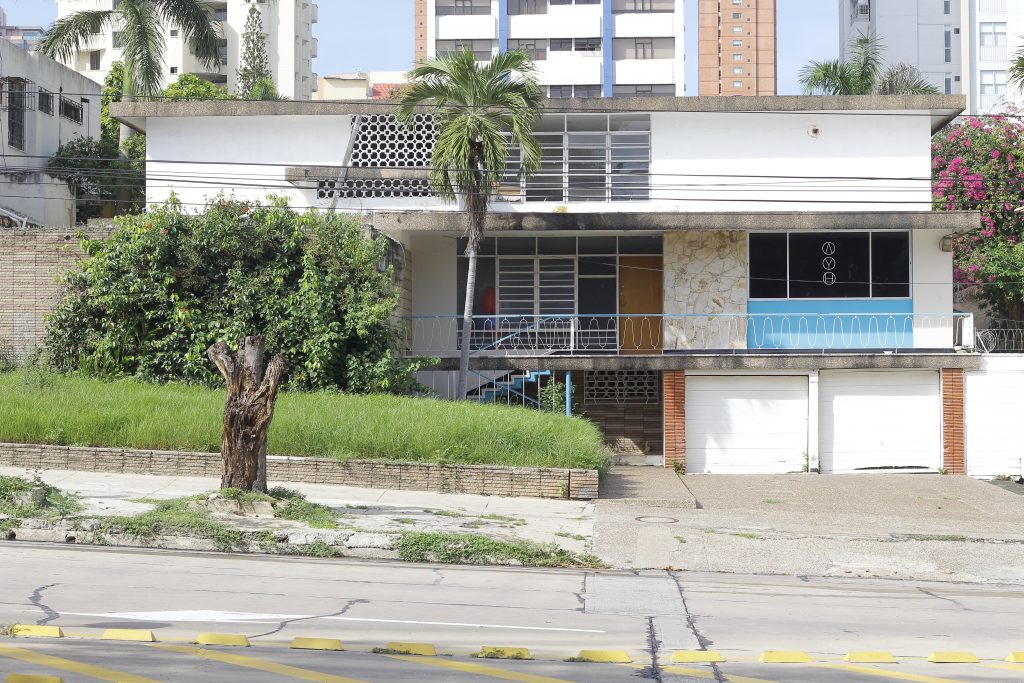
‘I’ve always liked this house. Its colour stands out in the rest of the city. The picture doesn’t have a title, but it is part of a series of modern buildings. I took it in October 2019 on a day when I was doing a routine walk in Barranquilla. It’s a very Caribbean city and one of the major areas because important things in Colombia like aviation, business and even architecture had their origins here. Many years ago, the immigrants who came to the country were the ones who made the city. There isn’t a clear foundation date … just, a lot of people from all over the world, who decided to stay. You’ll find other cities like Cartagena or Santa Marta, but Barranquilla is like the big one among the others.
The house is on a hill in a residential area. The light was great. It was a Sunday, so the streets were empty, which is perfect for taking pictures with freedom. We don’t have seasons in Colombia. October tends to be rainy, especially if you’re in colder cities like Bogotá or Medellín, but in the coast, you don’t see much difference. On that day in particular it was hot and very sunny.
I’m not sure if the house was empty. I remember that many years ago it was a yoga studio. When I took the picture, I was just thinking about the aspect ratio so that I could adapt the image to different types of formats. It’s not common to find houses in the area. There are other buildings, but they have five or even twenty floors. Actually, on the opposite corner there is this huge house that is almost all over the block, but it’s private. Its colours are dark red and black and it’s not as remarkable as this one.
I took other shots, but this is the best one of the façade. I like the fact that you can see the yellow road marks because it adds context. The house has a lot of mystery. You don’t know what’s happening in there, but as I started researching more about the modern movement, I figured out that this house was very representative of that type of design.
‘We are a group of young people learning about the past. The interaction when we do any type of events are what keep the project alive, otherwise it would just be a fan account of façades from all over the world.’
Flashin’ started when I was in college. I went out in the area to take pictures, and then in 2019 we started doing Foto Tours where we walked in the city with a group of people [including] teachers who had studied history and wanted to share. This grew into a large network who were into photography, and the city in general. When people first see Flashin’ on social media, they immediately think it’s an architect who’s behind the project, but I studied journalism and I love writing. Photography is like my second boyfriend. It’s a passion thing. I use it as a tool; as a channel to tell stories of the city, or of a person. Although I do not have an academic interest in architecture, I like to study and help people understand what we can learn from it because it has taught me a lot. I also work with a friend who is an architect, but I’m always in a position of being a leader because I’m very careful to keep the tone and the identity, but I am open to listening to new ideas.
I like to define Flashin’ as a community because I don’t post a picture because I think it’s cute. No. The purpose is to teach people to look beyond what they see every single day. We are a group of young people learning about the past. The interactions when we do any type of events are what keep the project alive, otherwise it would just be a fan account of façades from all over the world.
I think that most people when they think about the Caribbean, and not just about Colombia, think of bright colours, lots of food, blue beaches … and sometimes those of us who are from the Caribbean get a little tired of being recognised just for that. We’re not dancing and laughing all the time. We’re not eating watermelon all day long. We have a life and there are other things that are very representative to us. The modern movement in Colombia doesn’t have high visibility, maybe because people don’t think it’s good enough, but there are certainly different types of Caribbean. The Caribbean of my grandmother is different from the one that I’m living in, whether it’s about the type of food she ate versus what I’m eating right now, even if we’re in the same space. Through photography, you can portray the idea that we can be very colourful and vivid, but we can be sober too.’
City: Barranquilla, at the northern point of the Magdalena River in Colombia.
Creative influences: Nereo López for photography, Gabriel García Márquez for literature and for editorial influence Architectural Digest, Vogue, and T Magazine.
Photographic words of advice: “Avoid staying quiet and learn to see, observe and admire all the things around you ‘cos everything tells a story.”
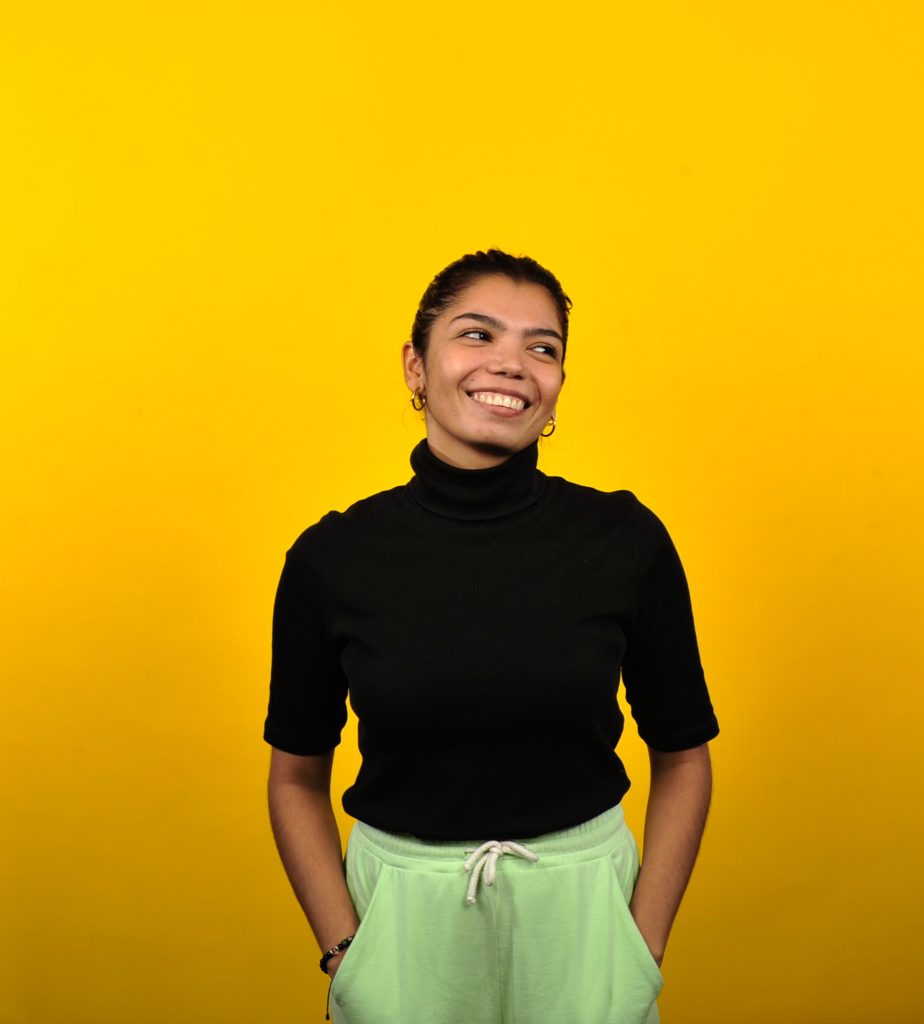
Portrait by pablosalgado
IN MY WORDS is a series of short, first-person essays based on a conversation between People’s Stories Project and an artist, whereby the starting point is a single piece of their work.