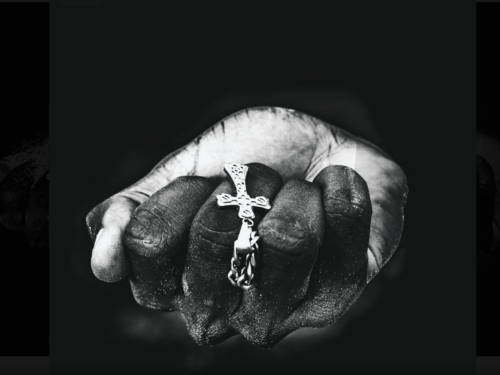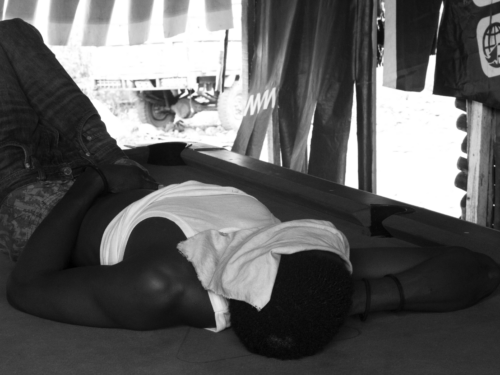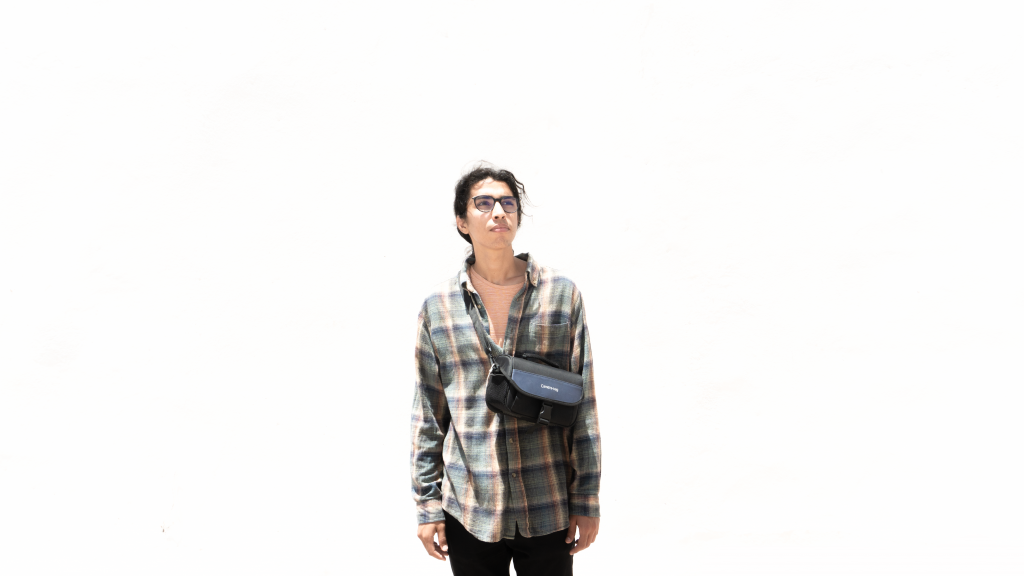
‘I’m really into capturing stories of people that are, let’s say, underdogs. Stories that not many people know about, so I can shed a light on them’
MED BOUBLOUH
Photographer Med Boublouh’s interest in photography started when he was 16. Just four years on, he’s already developing a visual signature that spotlights communities in and beyond his home city of Agadir. What’s strong is his focus on Amazigh communities, with the everyday, the traditional and the unique or incidental aspects of this rarely captured Moroccan culture, all infused by a desire to tell and document their stories.
At 20, ‘a young person with an old soul’ is a description he’s aware of, although he’s less taken by this type of psychology, and essentially influenced by his intuition, empathy and basic curiosity about the human condition.
‘I don’t really believe in having a soul,’ he says, ‘but I noticed that I never have friends my age. They’re always 5 or 10 years older. Like close friends.… even the teachers at school.’
This is something he started reflecting on two years ago. ‘Death and the meaning of life’ he explains, when thinking about the captured images of some of his older subjects. ‘A lot of questions pop up in my head, like, did they have fun in their life? did they have meaning? did they accomplish that meaning? What is the concept of afterlife?’
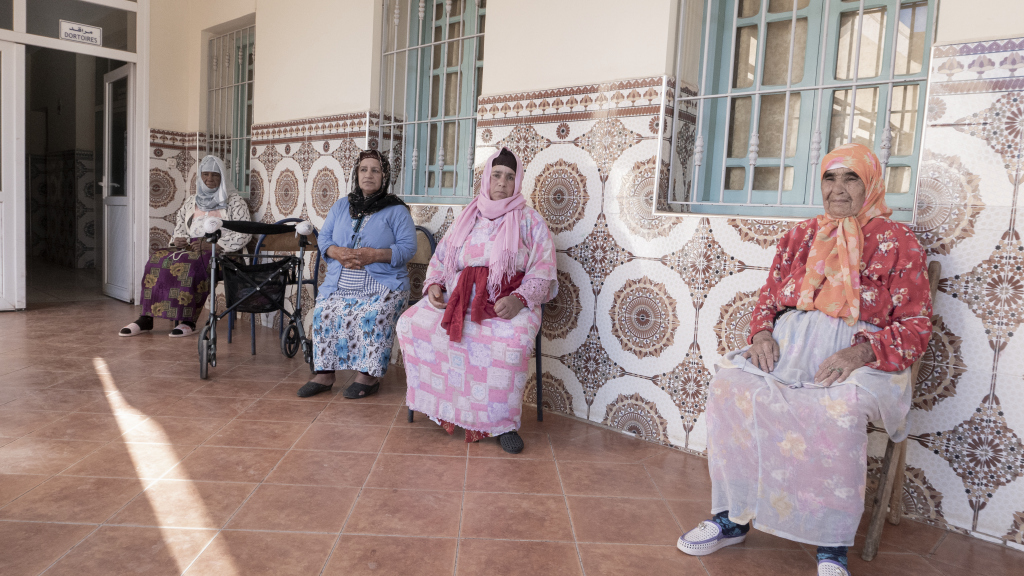
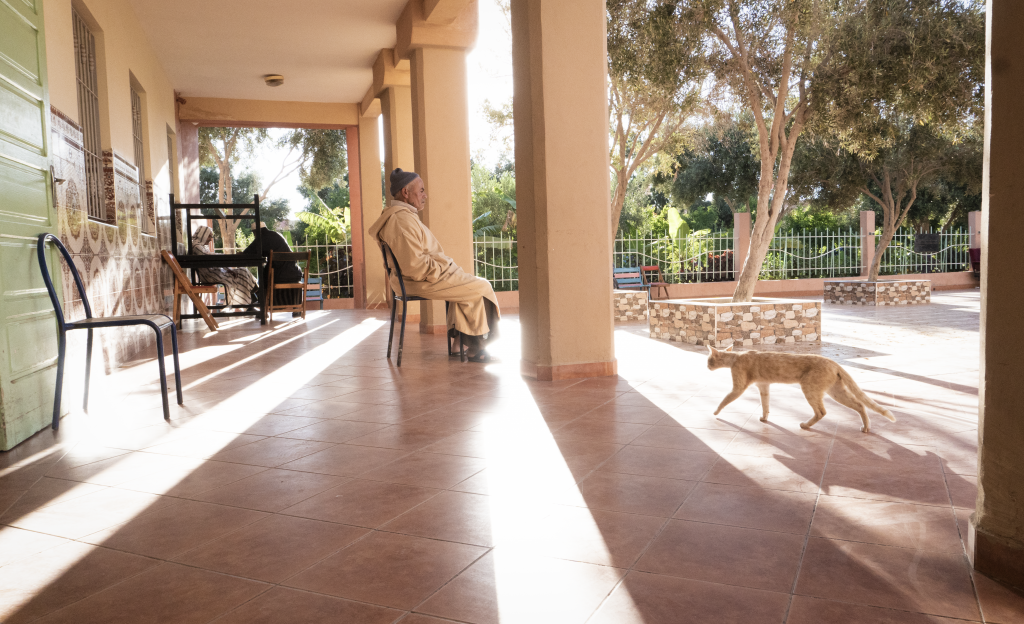
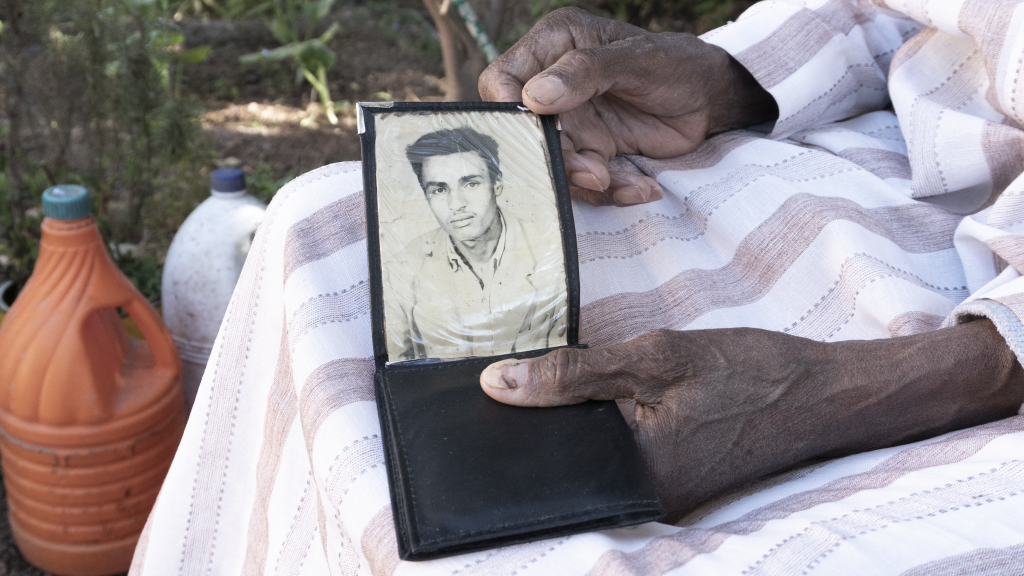
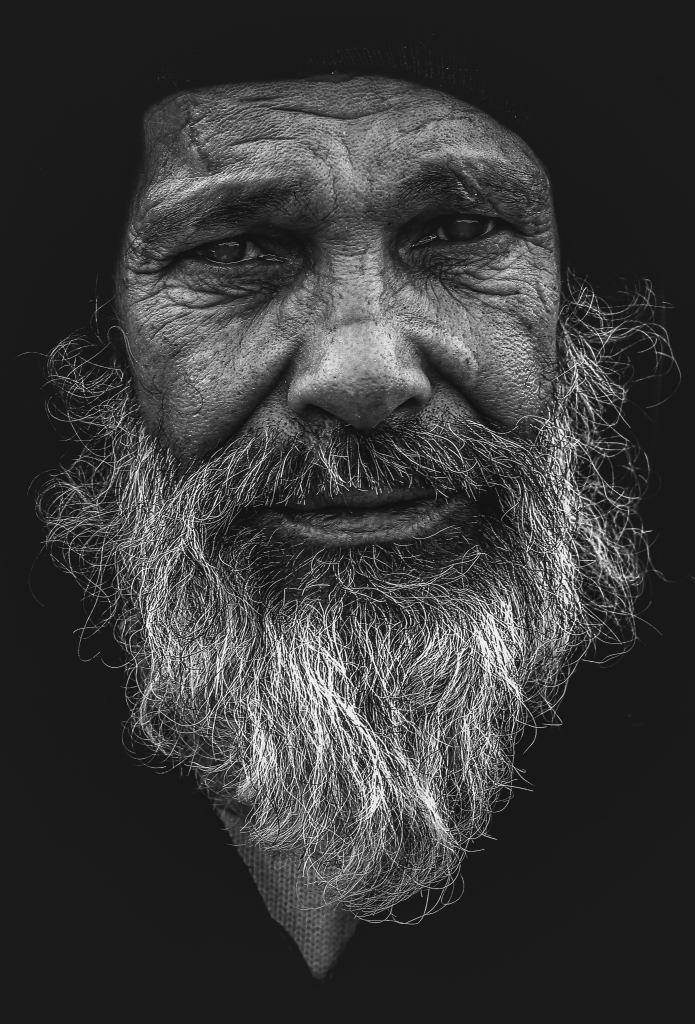
These thoughts apply to Med’s Loners series. During Ramadan, he was filming a community of elders in a retirement home for a TV station he works for. He then took it upon himself to produce an emotive collection of still shots of the residents. At the home, the men and women’s stories are shared between themselves, in a space that the wider society often regards as being taboo, with the thinking being that ‘your kids are bad, and your life is gone.’
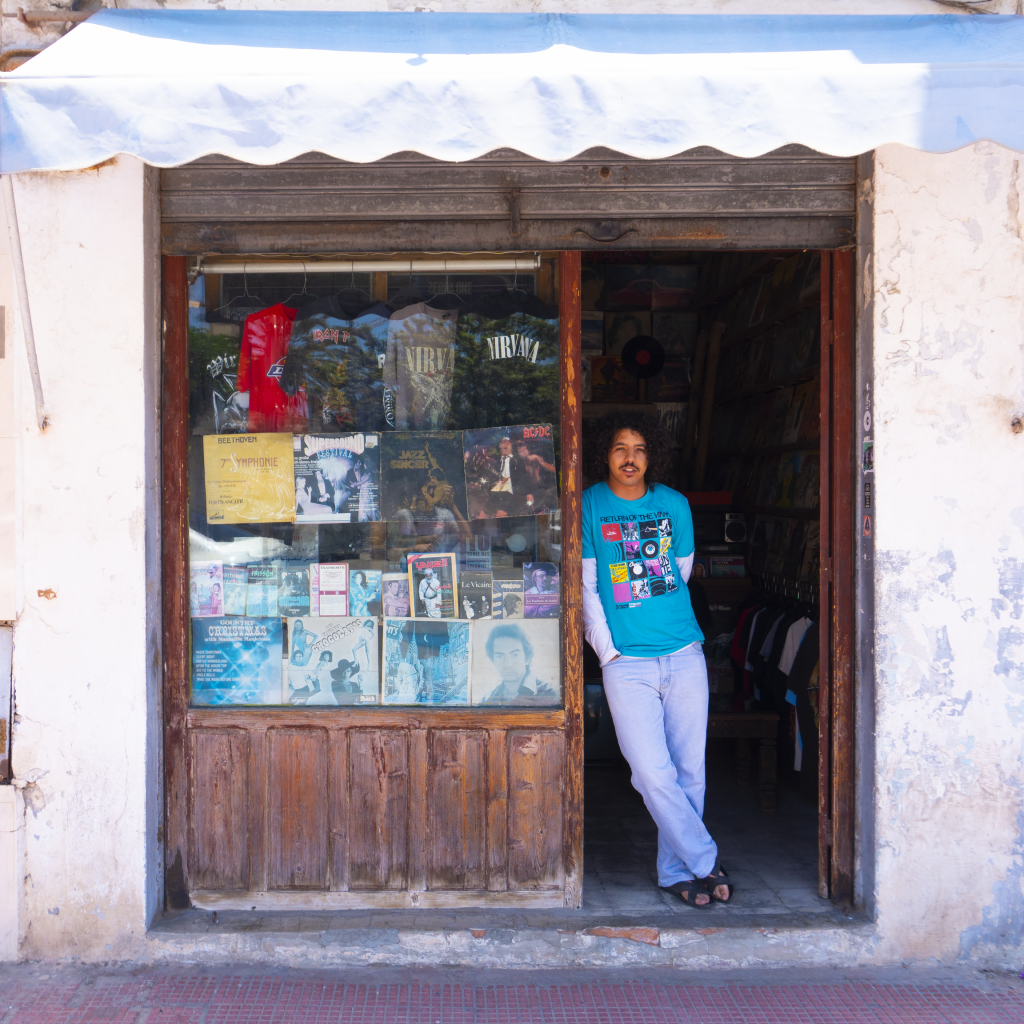
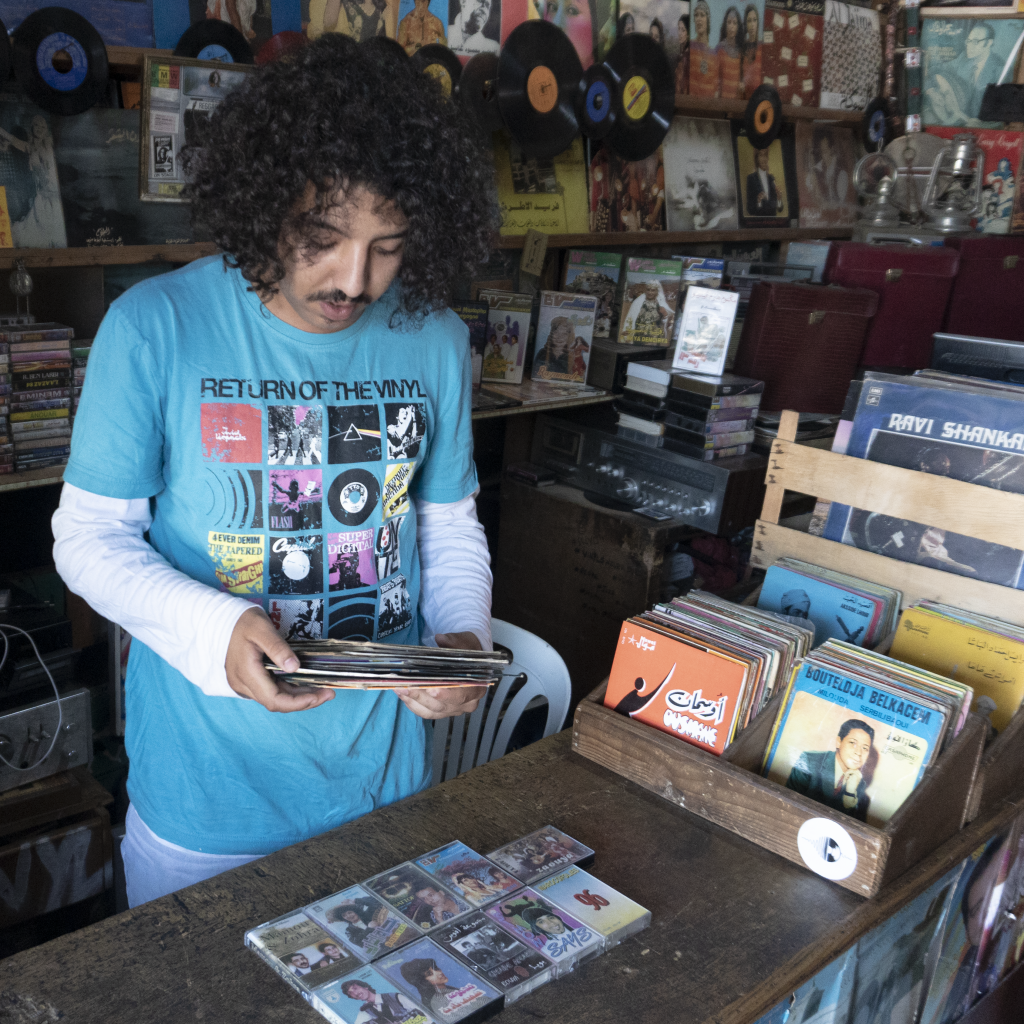
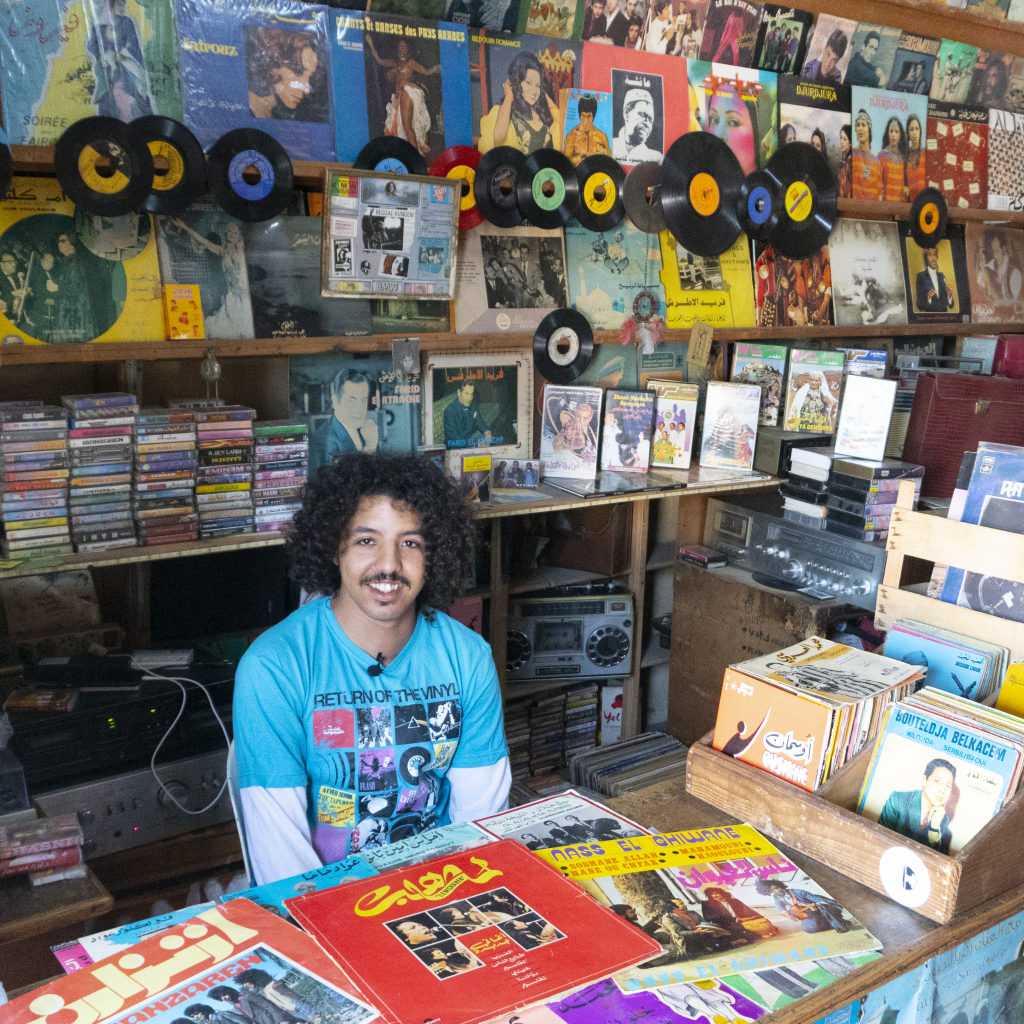
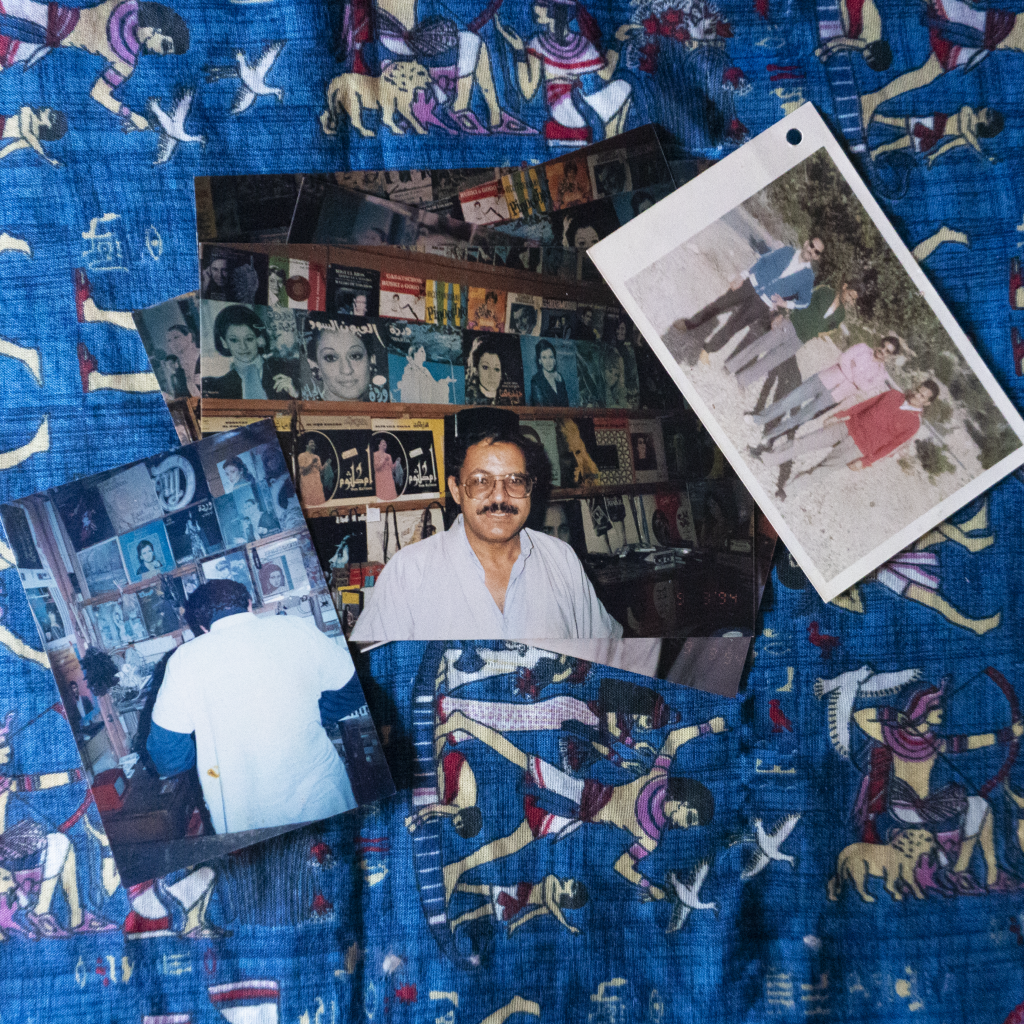
Another heritage-inspired series features Zaman Records, Agadir’s first vinyl store, with a back story that highlights the community-focused dreams of cultural preservation that were first realised by a deceased father and continued by his living son.
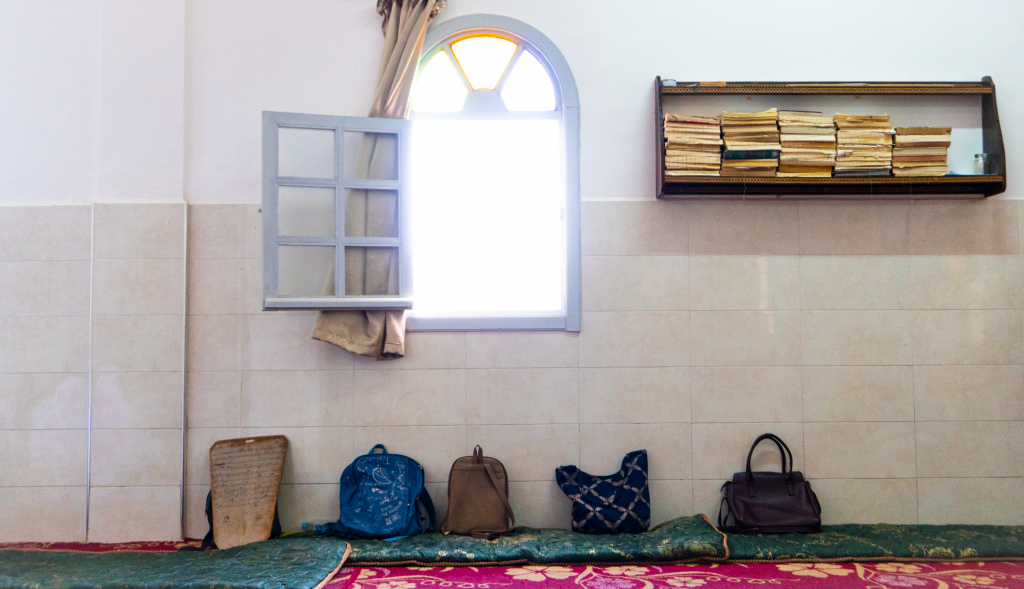
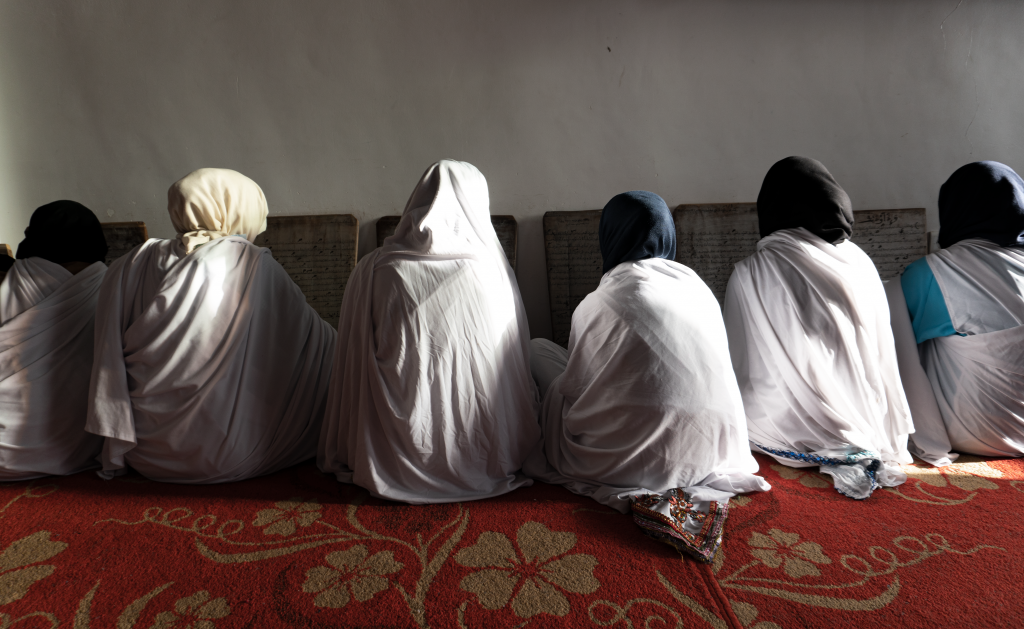
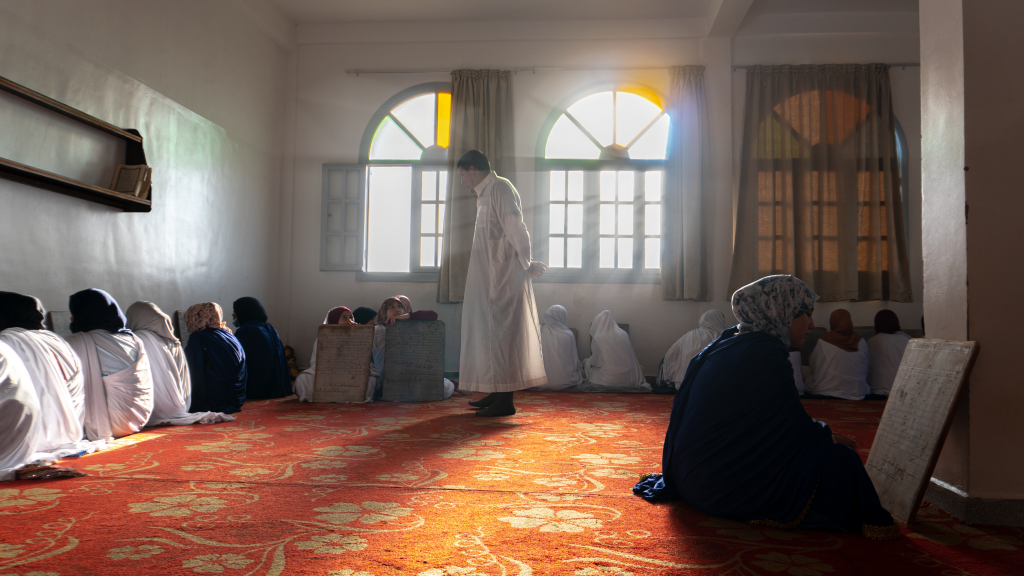
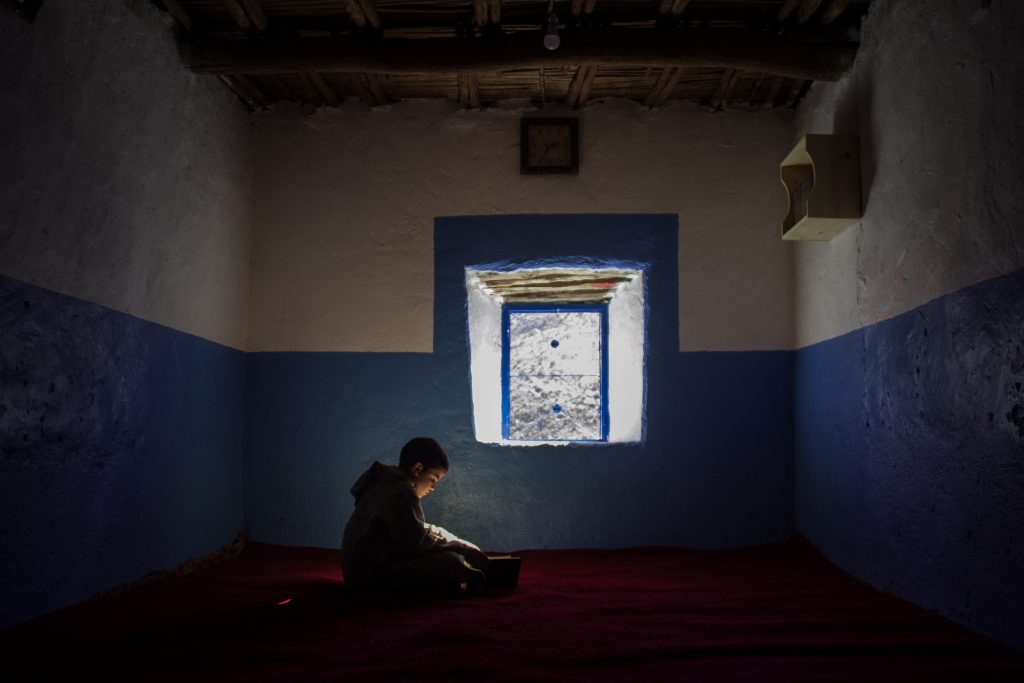
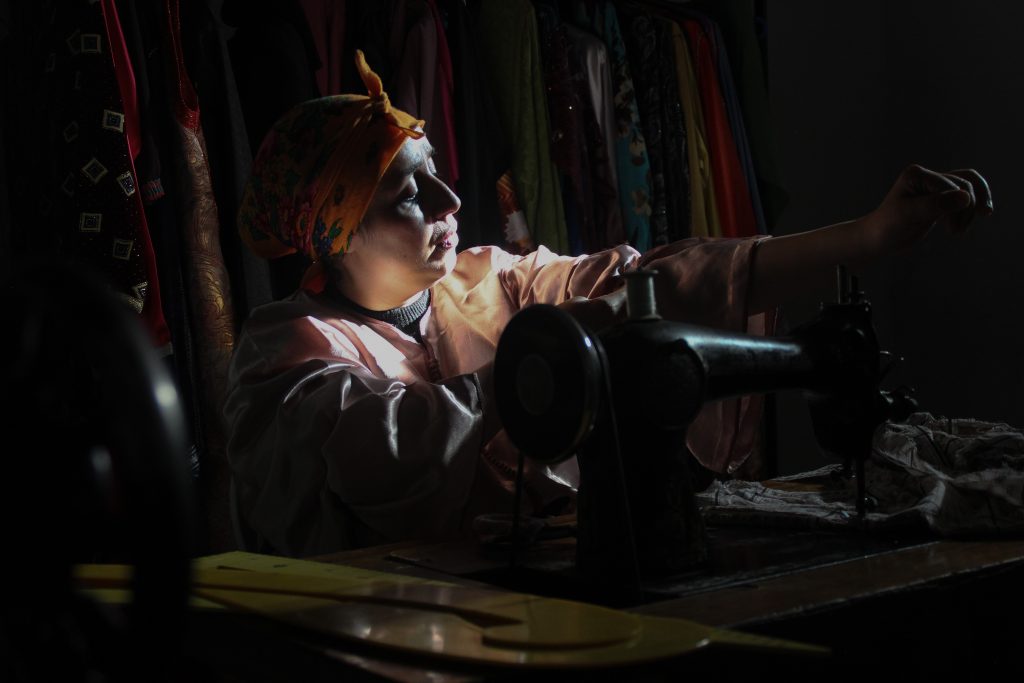
There are different layers of interaction in Med’s work; whether it’s the trust he gains from the people he photographs, or the subtle realism that he injects into his finished images. When asked about lighting and framing, his reference to film (he also makes short docs) is clear. He likes things to feel cinematic, as a way to capture transient moments. ‘To me, it’s so good if it looks like a scene from a movie, where it’s really natural. I try to give people a feel, like when you see the rays of the sun coming from the window’ he says in relation to another series on a Koranic school. Here, the visual accent is on the slow, dedicated but also active exchange involved in education. ‘It doesn’t resemble just one shot: somethings going on’ he says. ‘There are these girls reading their boards, and there’s this instructor teaching them. It’s from real life.’
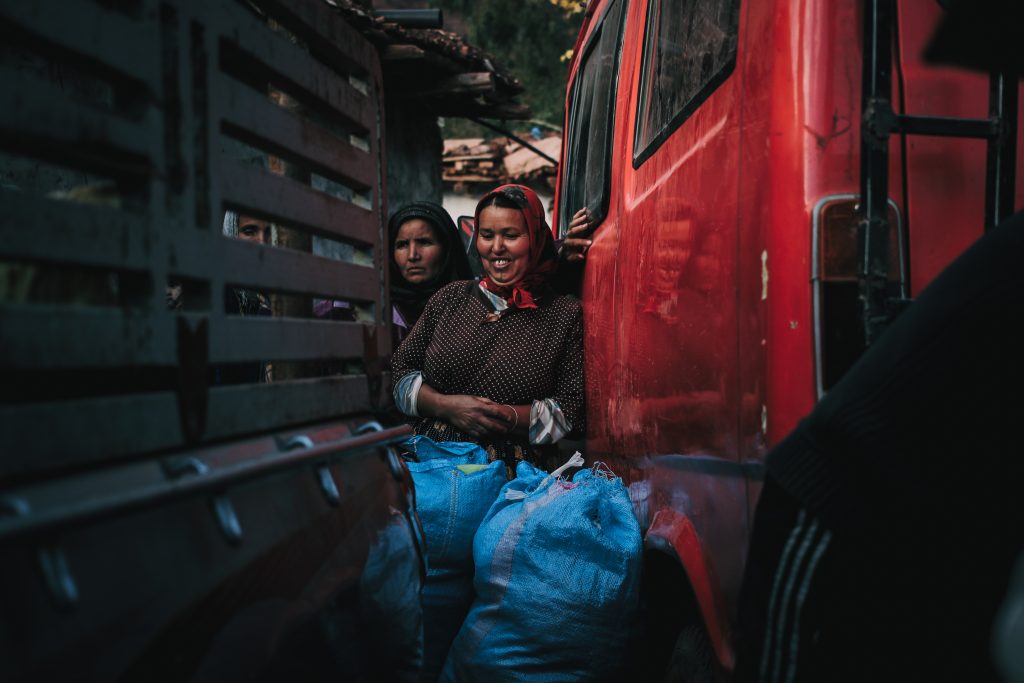
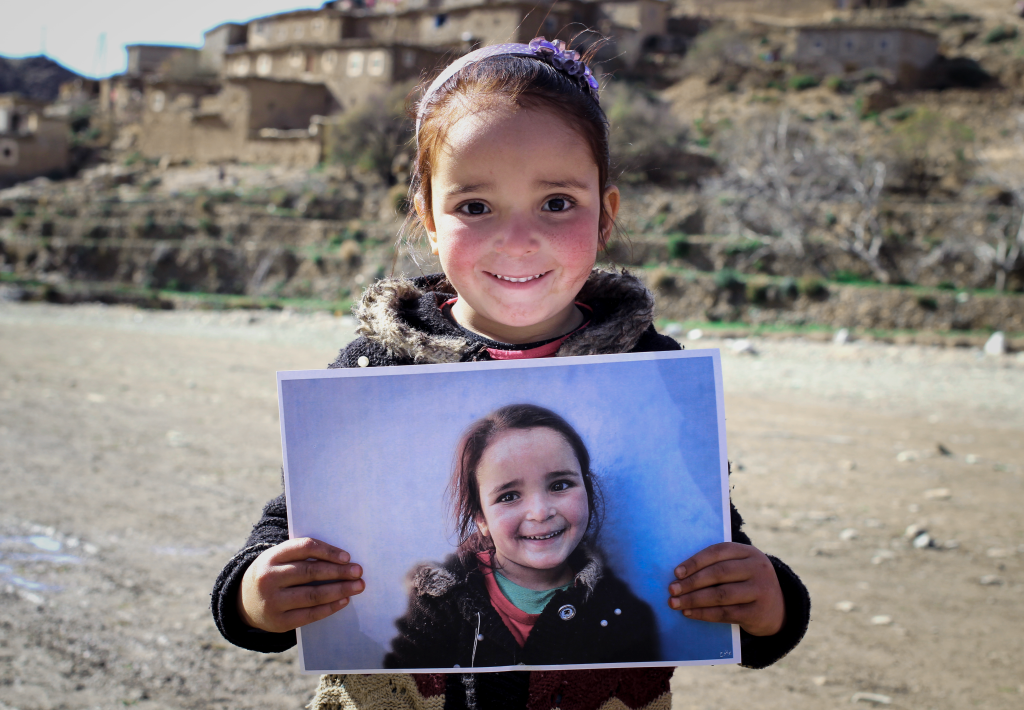
His projects also include the lives of Moroccan villagers, where time spent with them in the mountains, led to a beautiful series of portraits that skilfully capture a range of moods and characters that exist in a place where digital footprints are sparse.
Self-taught, Med has naturally had artistic and journalistic influences. He name-checks a small roster of photographers whose work has impacted his own. These include the late photographer and video artist Leila Alaoui, photographer and performance artist Yoriyas, documentary photographer Seif Kousmate and also the US photojournalist Steve McCurry, who’s most famous for his 1984 colour portrait of a young Afghan girl, Sharbat Gula. ‘I saw it when I was a kid,’ recalls Med. ‘It was on a National Geographic doc when they went and found the girl again and I thought, “I. want. to. do. this.”’
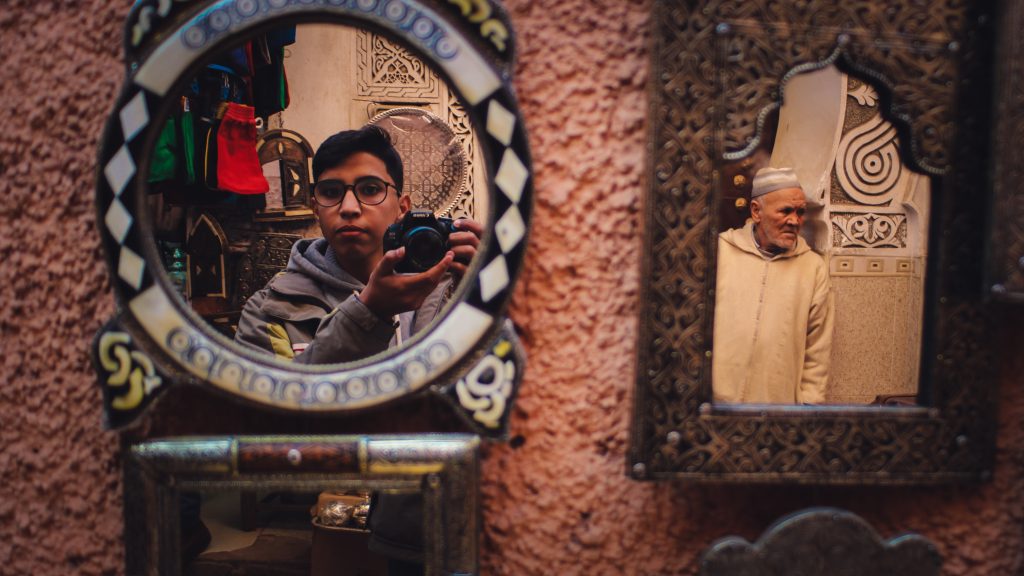
Photography – especially street photography – exists within a small arts scene in Agadir, with older generations often wary, or generally intolerant of having a lens pointed in their direction.
Med: ‘That’s just how they’ve been raised. People here still put photos on graves, so I hear a lot of them saying “why do you want to take my picture? Do you want to do sorcery?” … That’s definitely a struggle.’
He has some charm though, which so far seems to work.
‘One of the ways I try to relax them and get them to agree is to show them my best work and to have a conversation. Then I give them a printed photo and if there is a good vibe between me and that person, I even give them a T-shirt.’
His ongoing motivation to cover the many aspects of Amazigh culture is what underpins most of his projects, although he has recently focused his lens on the transitory lives of Sub Saharan Africans passing through Morocco in a series, The Sticks.
So far, there have been no travels beyond Morocco, but Med’s photography has been exhibited in Rabat as well as Montmélian, in France.
Essentially, it’s an archival series of text and visual love letters that this young photographer is writing to his coastal hometown, as well as to the descendants of the first native people of North Africa. When asked how he’d characterise the city, his response was deft and poetic …
‘I would say Agadir is an old Amazigh woman who has a lot of stories but won’t tell until she finds someone who is really interested in digging them up. You know, as I told you, not many people do storytelling in Agadir especially. This region in general is really a treasure for stories. They just need to be told.’
Loners community
Records Zaman
Koranic schools in Morocco
Moroccan villagers
All images courtesy of Med Boublouh.