‘I figured that in South Africa there isn’t enough content floating around where people are really going into depth when it comes to photographers, their work and how they go about it.’
This is Andy Mkosi, multidisciplinary documentary journalist, lover of photography and visual art, and founder of This Audio Is Visual (TAIV), a refreshingly upbeat and informative podcast series that does exactly what she feels has been missing from the country’s cultural landscape.
Originally from Cape Town, Mkosi was involved in community radio before heading to Johannesburg for a documentary course at The Market Photo Workshop.
‘I had this vast network of photographers at my disposal, and that’s where the magic started,’ she recalls about her early days in the city. ‘There was a subject that they gave us called digital footprint, and that’s where I really got to dissect and see what I want to do with This Audio Is Visual.’
The TAIV name had existed before this point, through an EP Mkosi released when she was better known as a poet and rapper. ‘In 2017, I took messages of songs that I’d made and turned them into images. I put this into a publication that I was supposed to print but didn’t at the time.’
The original fusion of photography and music has morphed beautifully into an online series, and two years on, Mkosi – the main presenter – produces the show along with fellow photographer and filmmaker Tseliso Monaheng, who has himself appeared as a guest in one of the early episodes.
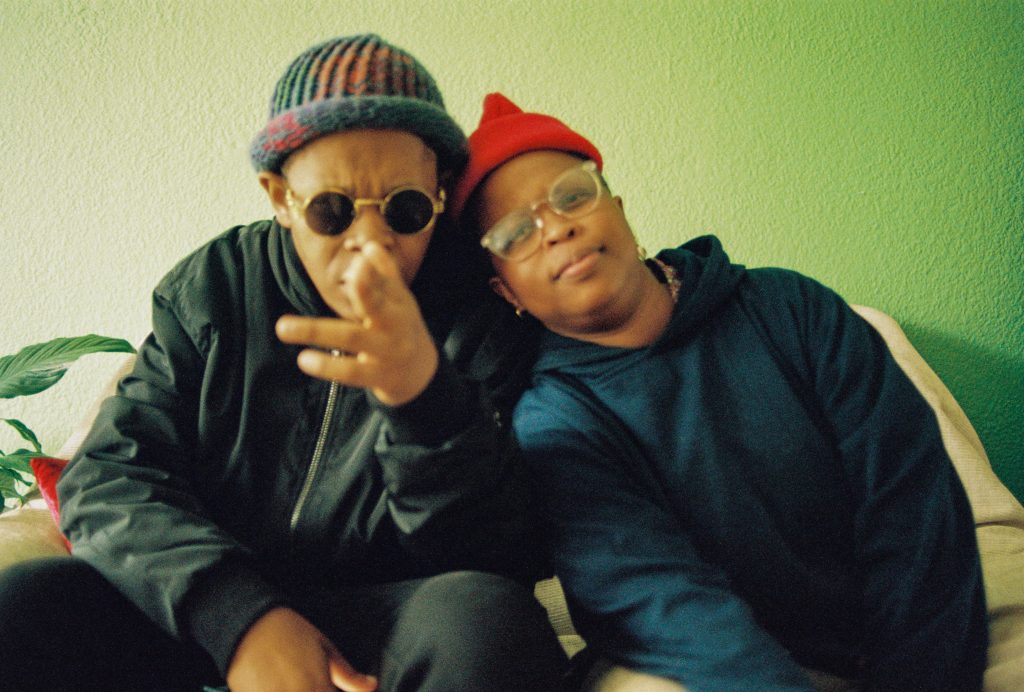
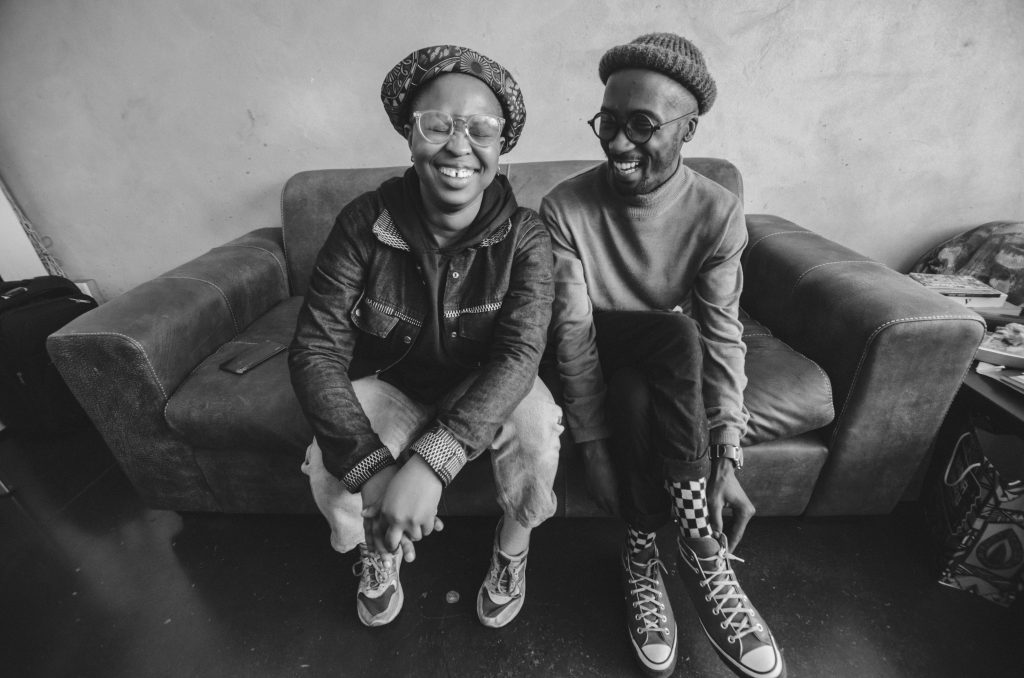
Tseliso Monaheng and Andy (credit: Elijahndoumbe.com)
If Mkosi had a central vision when she started TAIV, it was for it to exist as something niche. Through the podcast, she invites a roll call of dynamic image makers from behind as well as in front of the camera onto the mic, and it was always crucial that the platform would be led by passion, so many of the questions she asks her guests are underpinned by something that she needed to see reflected early on in her own practice.
‘What I was struggling with at the time was the fact that I was doing this [photography] work but I didn’t think I was doing the business side of it right,’ she says. ‘I feel that no one really talks about how creatives can navigate different business models.’
It’s for this reason that ‘a masterclass and blueprint archive’ is a spot-on description for the series as the conversations touch on copyright rules, image quality over social media followers, photographic paper, bodies of work, media influences, merchandising and multiple income streams.
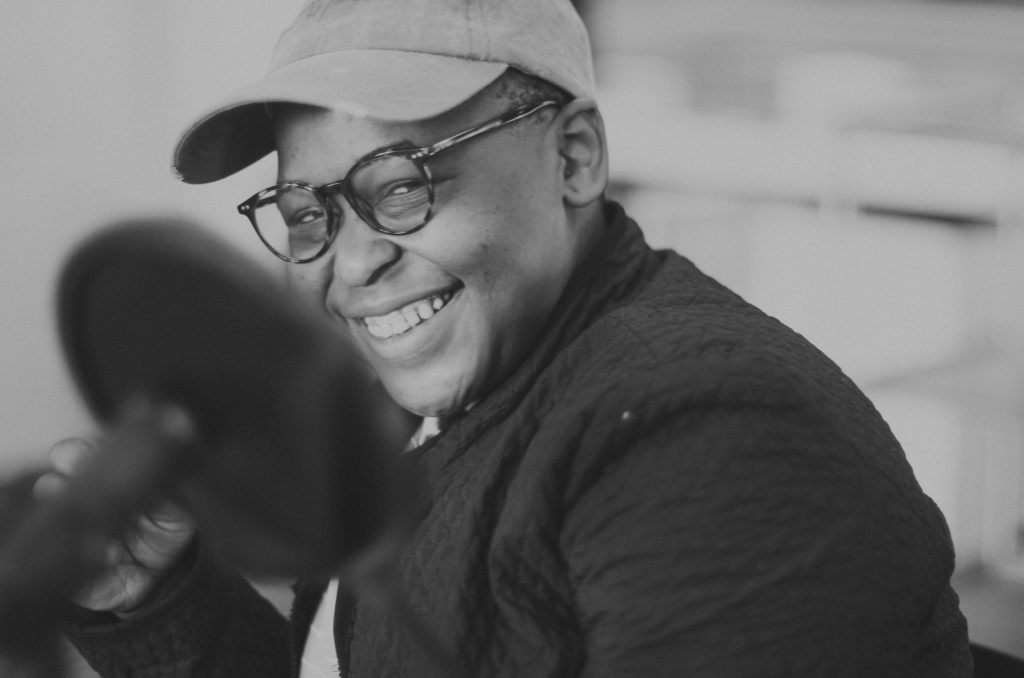
Names who’ve graced the podcast include photographer and skater Koketso Tube, self-portrait artist Puleng Mongale, writer-photographer Tshepiso Mabula, fine artist and printmaker Amichai Tahor and Thabo “downtownthabz” Mthombeni amongst two season’s worth of others.
In each episode, the enterprising and entrepreneurial elements of living a photographer’s life are also woven through with personal stories which, depending on the artist, relate to representation, visual agency, religion, queerness, single parenting, class, trauma and healing.
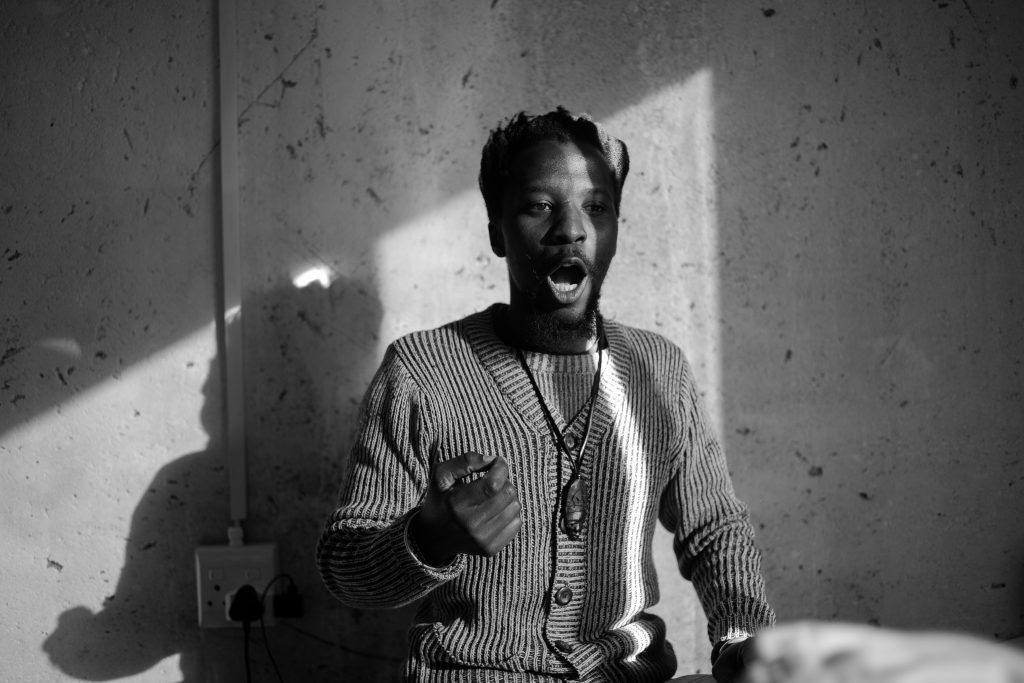
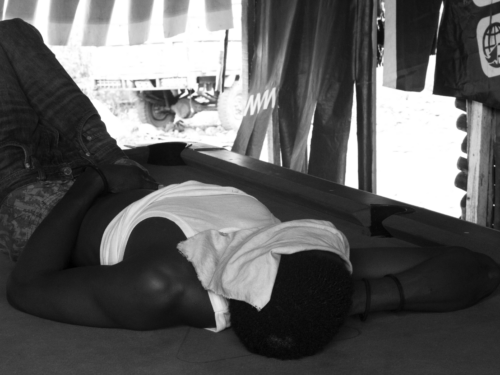
His space MANDEBELE PHOTO GALLERY is the first art gallery in Braamfischer. (Photo by ANDY MKOSI)
It’s Mkosi’s dexterity as an interviewer and her upbeat curiosity that enables her to inject each conversation with a level of energy that manifests in openness and verbal enthusiasm from each guest. It’s the knowing when to tease something out, stay silent or give in to moments of throaty laughter when tickled by the photographers’ stories that help maintain levels of intimacy and integrity that go a long way in building a loyal TAIV audience.
There’s also added flavour coming from the fact that spontaneous switches of language happen from episode to episode. For non-South African listeners this might form a barrier, but there’s an overall tone in which any verbal shifts seem universally comprehensive, much like the way in which music is imbibed. Still, it is something that Mkosi was thoughtful about early on in the series.
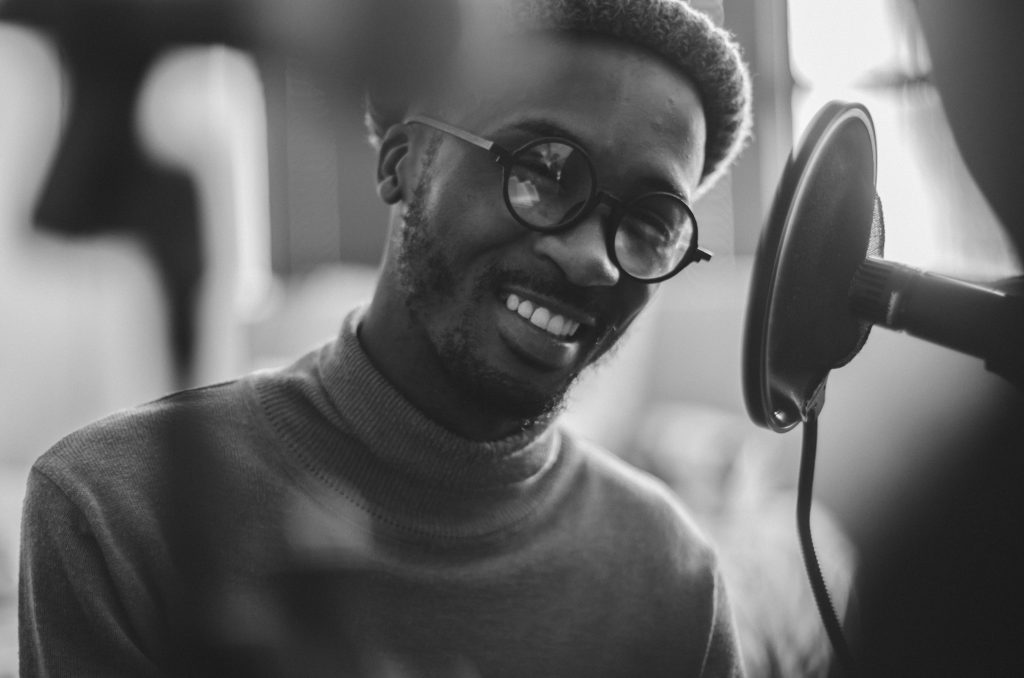
‘We are Africans you know, so for me a slip of a Xhosa word in between English comes naturally,’ she says. ‘In one of the first episodes Tseliso and I produced, we interviewed a great photographer Jabulani Dhlamini. The interview was predominantly conducted in Xhosa and Zulu. I remember consulting Tseliso about this and he was simply unapologetic, reminding me that there are not enough podcasts made in these languages and that if anything we were bridging a gap, and so it has been like that.’
During lockdown, the geographical reach of the interviews was also extended, which has been a good thing for the podcast. With the lack of ability to film or record episodes, Mkosi started speaking with photographers in other regions internationally, including the UK.
‘As much as we’ve been limited physically it has expanded the idea of This Audio Is Visual and the type of guests that we can have and what the podcast can become in terms of rendering services for other people.’
These services encompass a range of collaborations, from creating digital content around a physical exhibition at The Market Photo Workshop, to a four-part podcast series for African Women in Media, where research and hosting culminated in a short season of episodes on labour migration, as well as women in photojournalism.
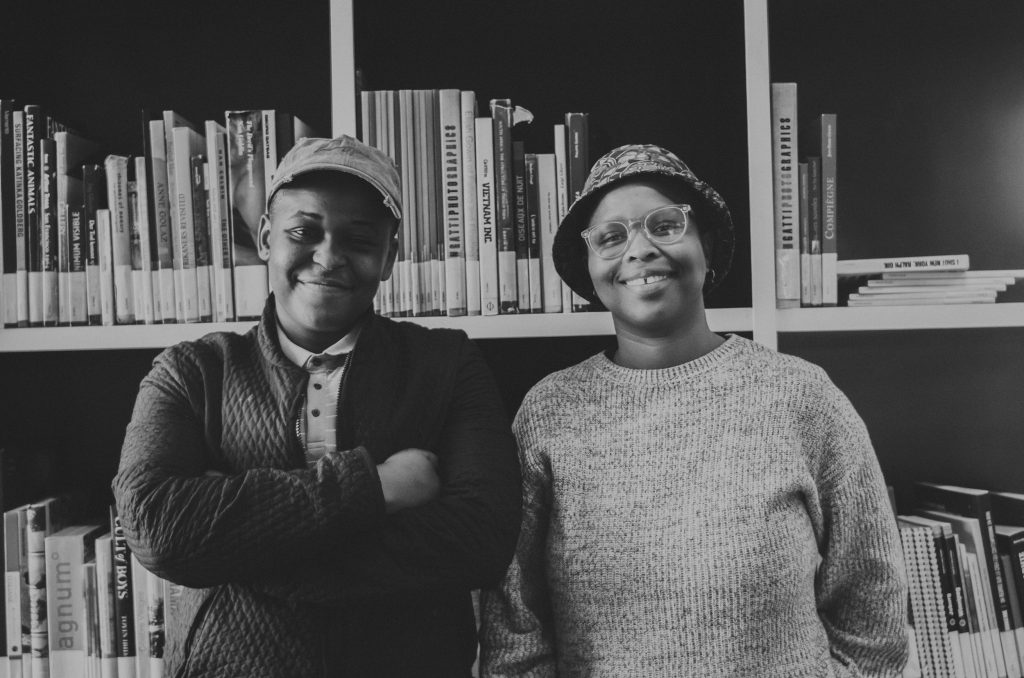
‘What’s wonderful about this thing, is that there’s no one telling us how to do it. We’re just enjoying ourselves’ Mkosi says of the TAIV formula. ‘I try not to look at podcasts as one format MP3 or Wav. that goes up. People like seeing stuff, so cool, it’s a podcast, but in between we also have these nice offline features that you would normally have on the radio.’
These features have included short documentaries and also live performances and exhibitions, which are showcased on a sister, Queer Audio Is Visual platform. QAIV is where upcoming and more established musicians are paired up to perform in venues in front of audiences. Further interactions then take place through workshops and screenings.
As an artistic polymath, Mkosi’s mission is for the ‘mothership’ TAIV podcast to eventually function beyond her anchoring of the episodes. Occasional guest hosts have stepped in, but the mechanics of setting dates that work for both presenters and artists can be a struggle.
‘Essentially I want the podcast to be something that lives outside of Andy Mkosi and does not stop when I can’t make a sit down’ she states.
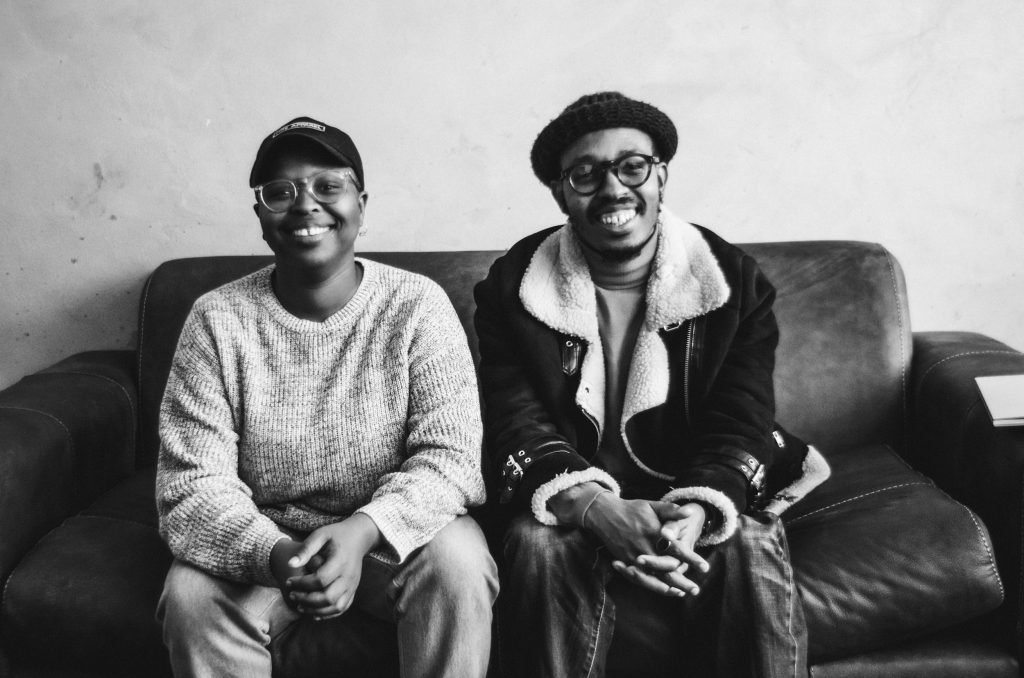
As an artist who’s fuelled by ideas, any necessary absences are usually for moments where the focus is on solo work, such as a black fatherhood series that she’s recently piloted as a teaser on Instagram.
‘I think I’d been doing the work even before I decided that this is something I want to do,’ she says about the project. ‘I started looking around me in 2019 and noticed that there were a lot of young black fathers within my friendship circles and on my career path. It’s rare to find narratives where they are placed in a positive light. It’s something that’s close to my heart because even though I didn’t grow up with my father in the house, he was still present enough for me to know that I have a father who loves and cares for me and that I can call him when I have a problem or whatever the case may be. I wasn’t seeing that narrative everywhere else, so I figured, let me use my camera to create this instead of trying to find it.’
Over time the narrative changed, and the series is now being worked up to be a documentary.
‘The idea is to make it as diverse as possible and to feature not just South African fathers, but people who are living in South Africa as refugees… Also, people in the diaspora because it’s an international story that people can relate to.’
Whether working solo, in collaboration, or building on the archive of TAIV conversations, there’s a sense of accountability in Mkosi’s intent to make her work accessible to a range of communities. This, in effect, means building up a powerful repository and resource for innovative art and artistic practises. This Audio Is Visual fits this framework and so, what if money and freedom were no object?
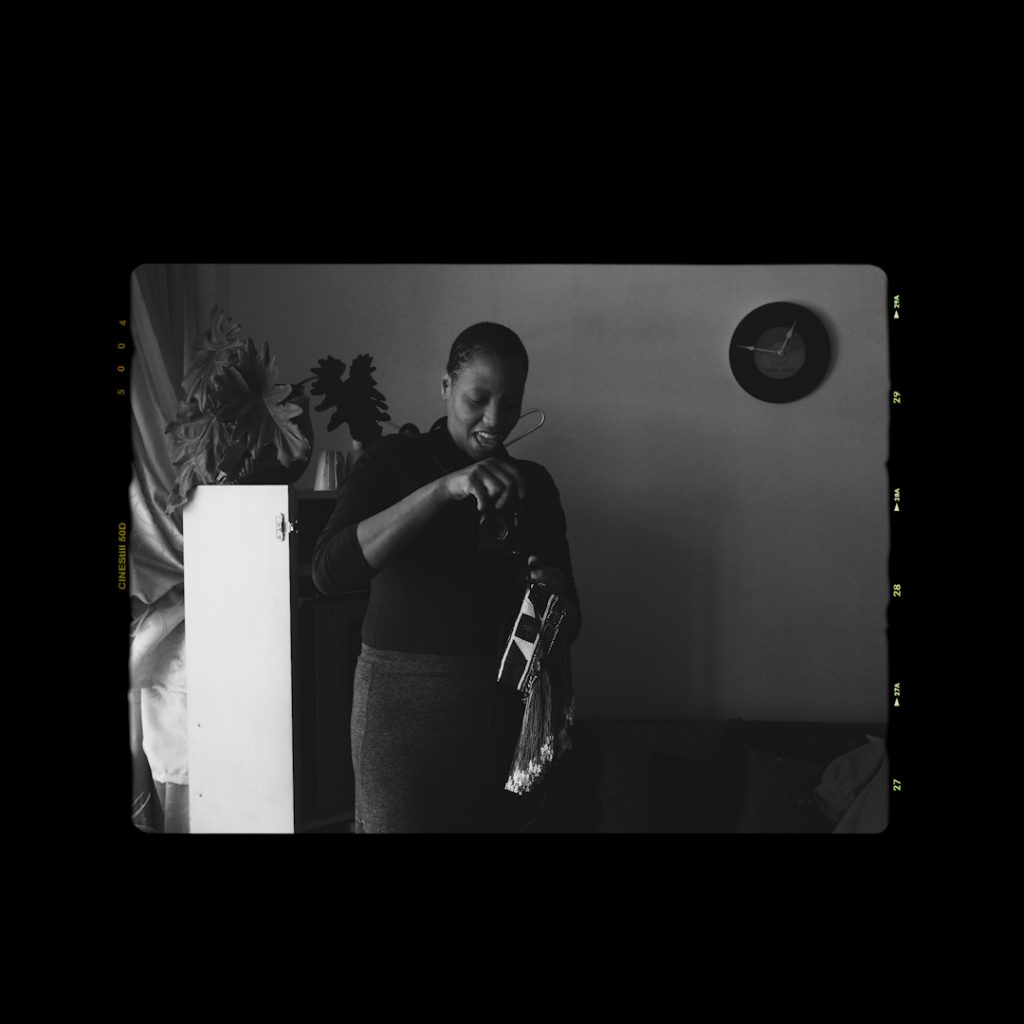
‘Ooh! I want to employ people through the podcast. I feel that it can be a big contributor to the unemployment situation in South Africa,’ is the response.
Mkosi doesn’t make this statement lightly. Her work and that of the artists she’s interviewed so far, is set against the contextual background of Apartheid.
In a society where younger generations, including emerging and mid-career artists, can clearly see the impact that a lack of education and opportunities has had on their parents and grandparents, it’s no surprise that themes of shared collective trauma might find a way into many of the images made – whether it’s to highlight joy as a type of cultural antidote, or to probe and unpick the pain in response to historical outrage. It’s something that Mkosi knows can’t really be overlooked.
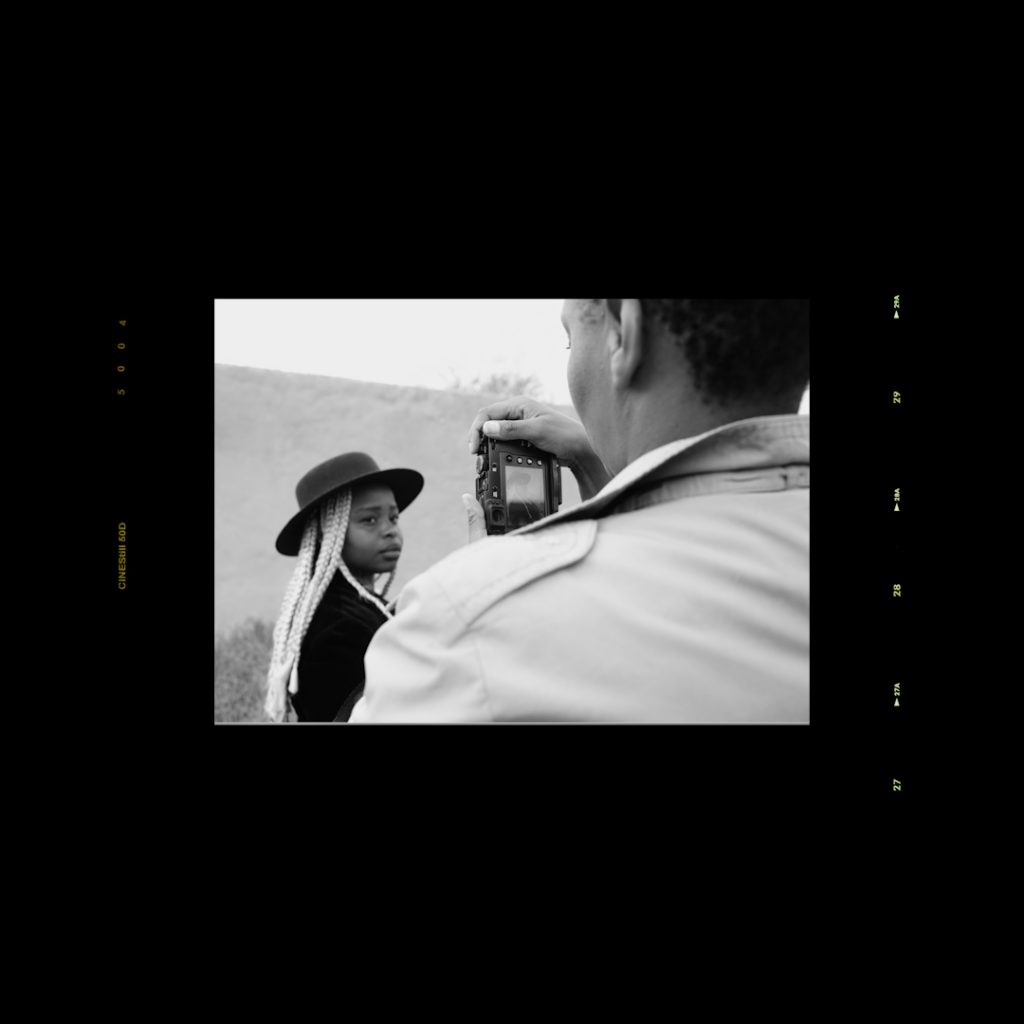
‘I don’t think any of us have really healed. It’s a tough one. I look at my mum, where she is and how old she is and then I look at her peers who had the opportunities that she didn’t have and I think to myself, if she knew the things that I know about myself, at this age, it could have been different. It’s something that’s really painful.’
The emotional ‘trickle down’ from this feeling is real, which leads to sometimes difficult questions about looking inwards, or leaning towards what can seem like salacious choices of imagery.
Mkosi: ‘I sometimes ask myself if I’m creating poverty porn. It makes me sad because there are things I gravitate towards because I believe in seeing things for what they are.’
Surely what overrides this, always, is Mkosi’s underlying goal as a cultural producer and documenter to remain honest and fundamentally generous, particularly given the fact that This Audio Is Visual is a self-funded platform.
‘There are a lot of people around me who have beautiful skill sets and it’s hard to reach out when there’s no money and limited resources,’ she says. ‘I’ve worked for enough establishments to know that I don’t want to work for another. I think I have a better way of working with people, because establishments are crazy. There’s this feeling that I have about This Audio that in one way or another it’s meant to contribute to people’s lives or change them in some way and essentially, that’s what I’m working towards.’
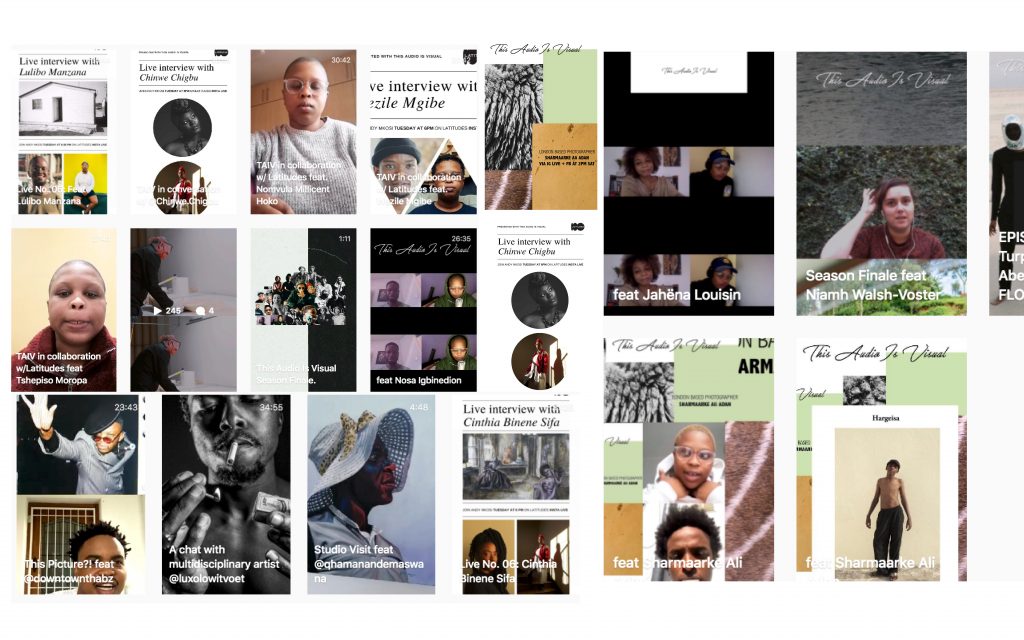
Stream This Audio Is Visual wherever you tune into your podcasts…