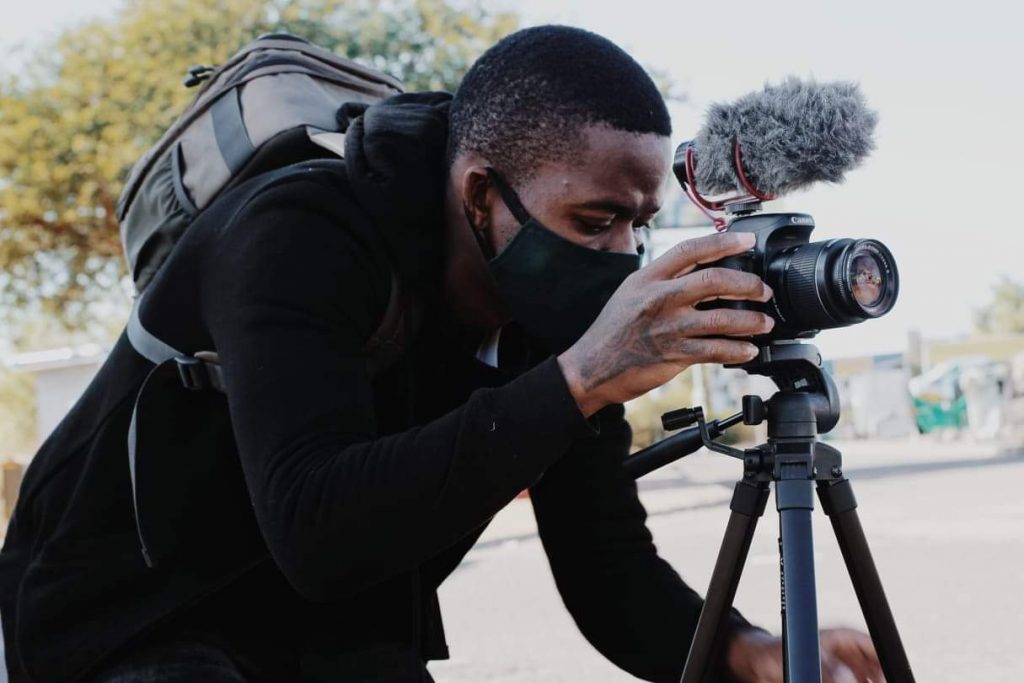
A nation’s cultural identity exists mainly due to its anthropological findings and documentations. However, the days of elderly people in a community sharing tales around a fire are swiftly waning, and the times of Western storytellers dissecting and documenting musings on our lived realities are fast becoming obsolete.
Young Africans are currently the ones documenting and distributing homegrown stories to the world across social media platforms and streaming sites.
There’s a continental reclamation of narratives that’s been made possible by technology, and Tebo Ketsitlile is one of a select few Botswana-bred and based storytellers currently doing the work of not just bearing witness to, but broadcasting the various subcultures of the country.
We recently spoke about purpose, growth and the importance of community.
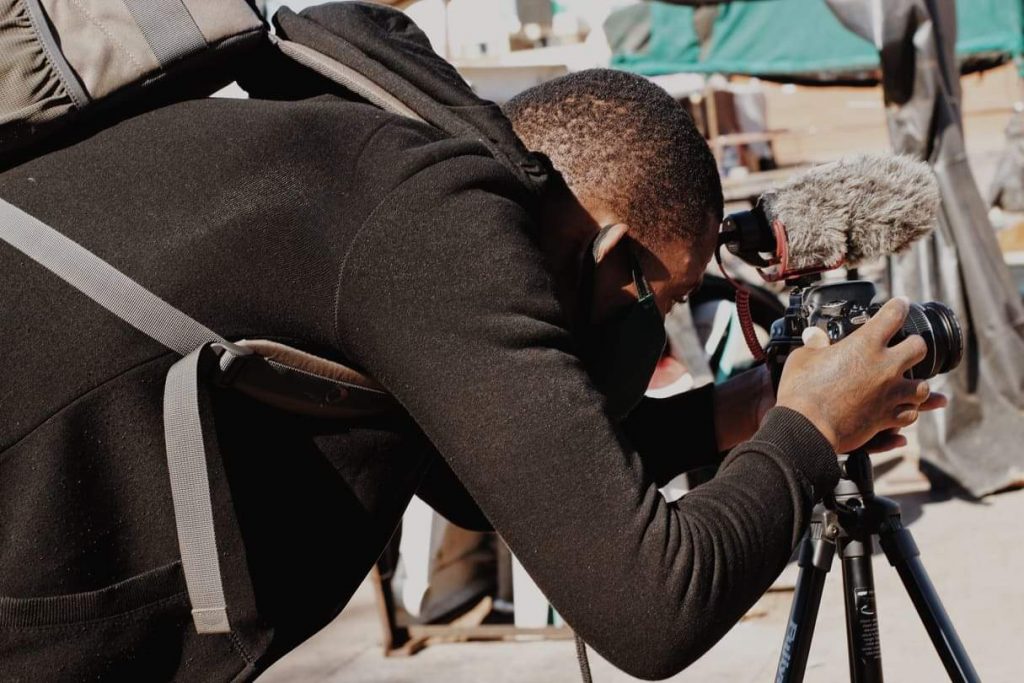
On a core level, your work has been about documenting Botswana’s (pop) culture, initially as Gino Pryce Pictures. How and when did you realize this was a purposeful plan for you and what were the steps taken to begin things?
My career began in 2012 when I was a curious media student at the University of Botswana. I am a faith-inspired artist, so God plays a huge role in my creative process. I felt led to purchase a camera one day and I did. I was inclined to document the world around me and that’s something that stuck, so I continued and leaned into the desire to use media as a voice and a tool to serve one’s community.
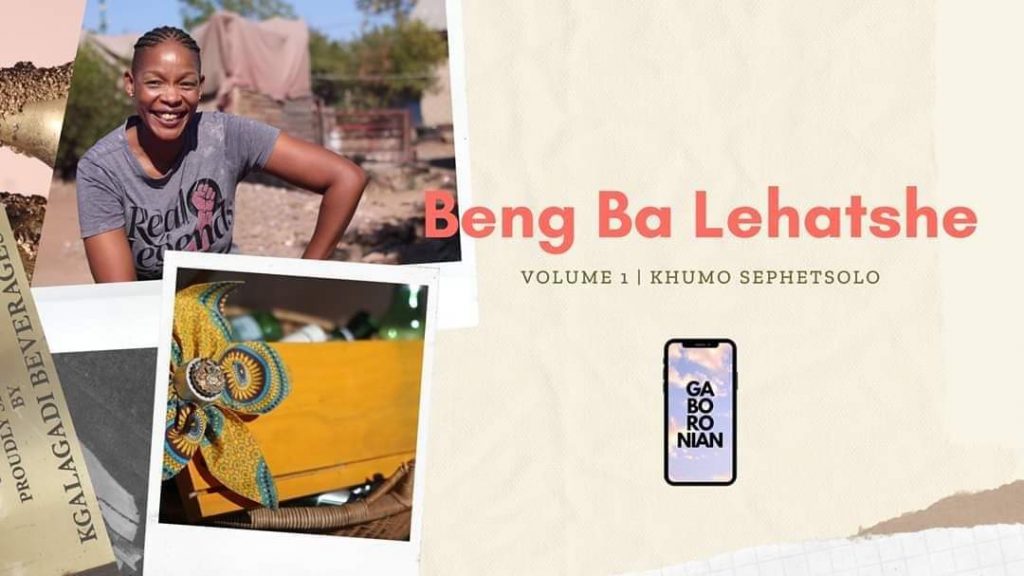
A subtle yet significant shift in focus from documenting pop culture has occurred for you with the Faded Fridays music videos and the BTSs of events to Botswana’s culture past and present and its various subcultures such as The Pantsula Parade, the Botswana Tourism collaboration, the Bakgweetsi doccie and the ‘owners of the land’ series – Beng ba Lehatshe. Was this a conscious decision you made, or a natural expansion? Either way, what spurred it?
I am so happy that you took the time to study my past works. Like you said, initially, it was all about documenting Botswana’s urban art-pop scene. The change came gradually as I grew older. My partner, Ogee Medupe, played a pivotal role in this process too because he is passionate about telling stories that resonate with the everyday Motswana. I made a conscious decision with ‘Beng Ba Lehatshe’ and ‘Gaboronian’ to actively create content that sells Botswana without a filter. I’ve fallen in love with this because it’s untapped. Most artists are focused on making Botswana appear to be like the First World. I don’t do this. I believe Botswana is nothing like the First World and that is where its beauty lies. In our difference.
What’s the story behind you forming DOSE Online for shooting music artists and what role has it played in your overall career?
DOSE was born when I was in Johannesburg in 2015. My time out there taught me why the South African industry is dominating and one of the reasons was the role of gatekeeping bodies in the industry. So, DOSE was aimed at filling that void in the Botswana entertainment industry by creating content that celebrates and critiques the WHOLE industry. This was a huge shift for me. I’ve grown from being an industry player to one serving the whole industry. I feel blessed!
You’ve mentioned how you feel one’s duty, when gifted or blessed, is to be of service. Your documentary, Bakgweetsi, took a look at how COVID affected the country’s most overworked, most visible service providers and how a blind eye was seemingly turned to their plight. Reflecting on it now, two months since its release, what did working on that film teach you?
Yoh. Bakgweetsi was an eye-opener. Firstly, working with everyday Batswana, that was a new experience. It was humbling and I had to learn to listen and place the focus on the people I was interviewing instead of telling my story. The roll-out of the doccie also exposed me to people I’d dreamed of working with. Industry leaders like (writer and filmmaker) MacDonald Kengaletswe and (film director) Moabi Mogorosi reached out and shared their opinions. I feel like a small fish in a big pond after this project and that excites me. I definitely have a greater appetite for telling the “grittier” stories. Bakgweetsi taught me the power of doing this.
What are your hopes for this new work you’ve been putting out, and this change in direction for you?
Currently, I am trying to get ‘Beng Ba Lehatshe’ on TV. I also want to partner with advertising firms to create content for their clients. I am in love with documentary filmmaking and want to use it to tell the untold African stories. I am launching a new video series called ‘Motho Motswana’ which will be a documentary series telling stories of uncelebrated community changers. From here onwards, it’s about telling raw, African stories.
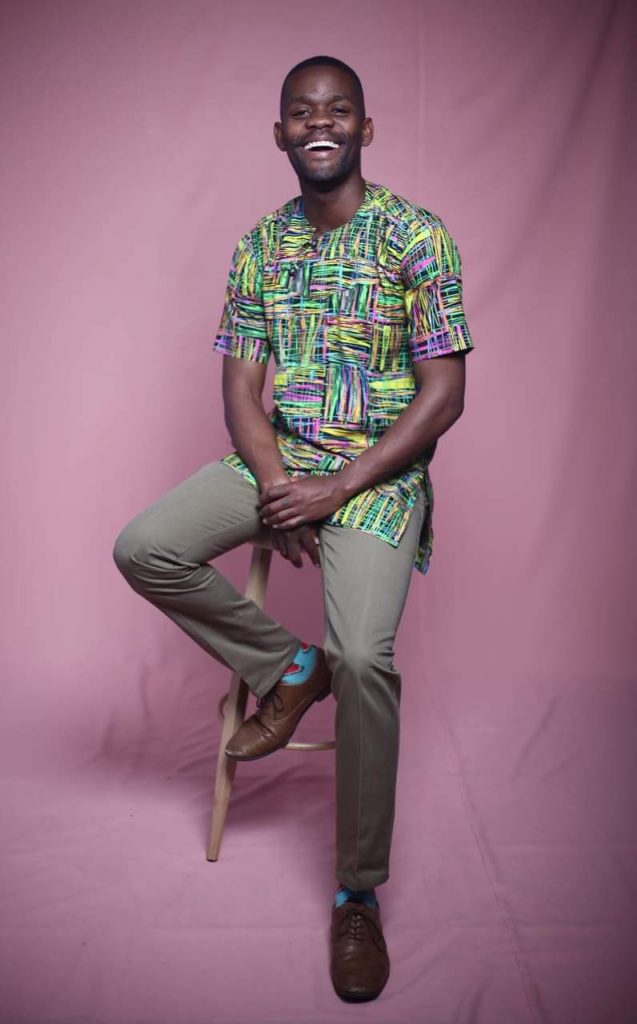
All images supplied by Tebo Ketsitlile.