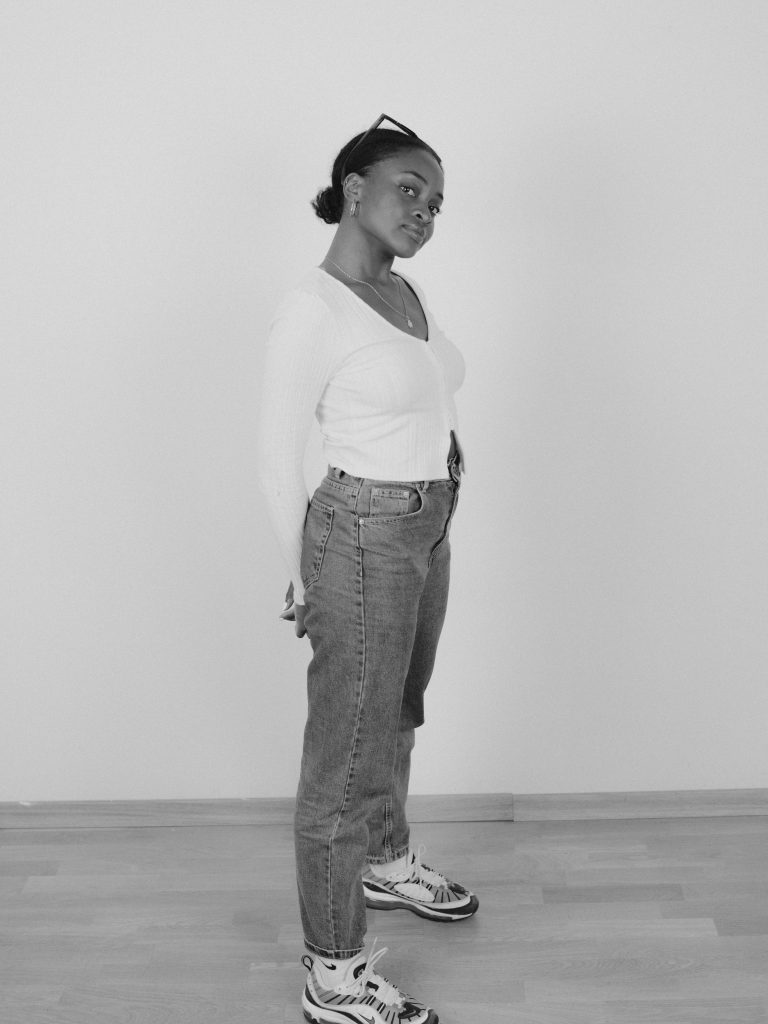
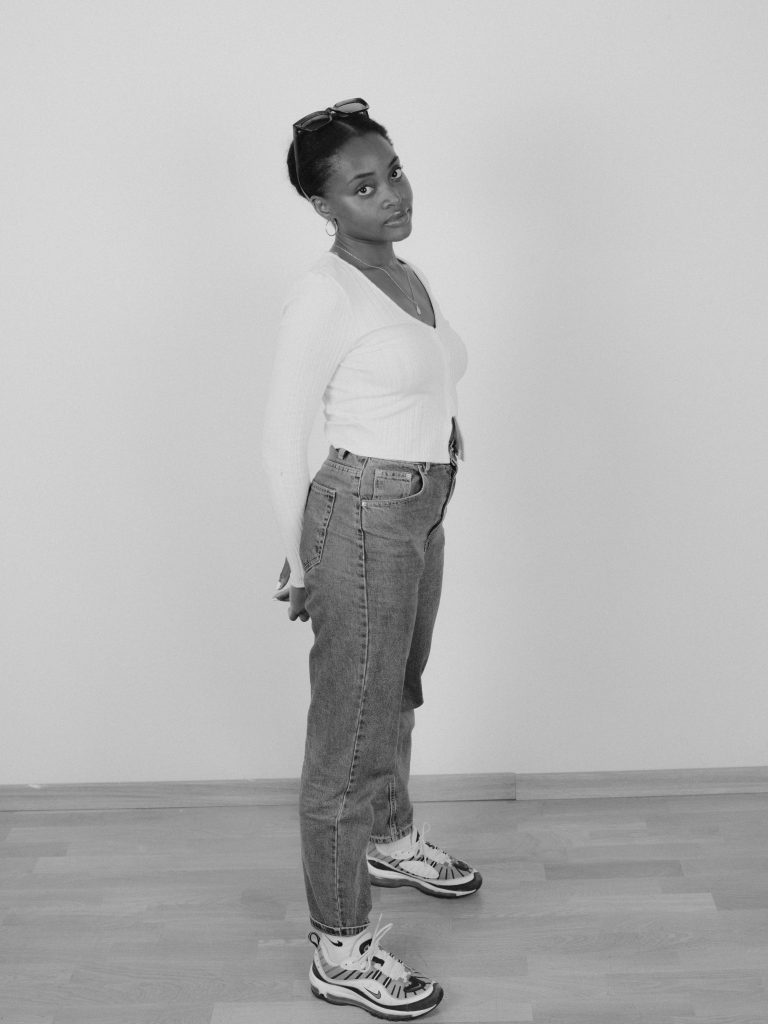
Terna Jogo
‘I mainly think of myself as an image maker and artist as I’m not one for the technicalities of photography’ says Terna Jogo, fashion editor at GUAP magazine. She’s been with the London-based collective for just shy of two years. The GUAP vision is to showcase the creativity of up and coming artists, and with their growing network of national and international collaborators – Apple, Reebok, the Mayor of London, ICA (Institute of Contemporary Arts), Surf Ghana (Accra’s skate and surf collective) – and a mix of young creatives from a pre-pandemic trip to Kigali, their status as ‘The World’s First Video Magazine’ has been set.
At GUAP, Terna sits behind the camera, producing regular shoots that are showcased on the collective’s YouTube channel.
‘My aim with photography as my medium is to create the representation I want to see in the world and document the renaissance that is happening in the black creative scene,’ she says.
“Innovative, community-led, experimental storytellers” is a flow of descriptors that Terna also uses to characterise the collective, while highlighting the fact that the creative UK African diaspora is experiencing a form of revival, which isn’t new. ‘This time there seems more urgency and staying power’ she states. ‘Artists in the UK African diaspora are not only creating and leading culture, but are benefitting from their work, which hasn’t always been the case.’
Every so often, People’s Stories Project aims to bring some diasporic voices into the contemporary African mix. For that reason, we asked Terna to give a brief shout out to a few of the GUAP faces uniquely representing the African creative scene in the UK, either from their positions in front of the camera or behind the scenes. Following are her current thoughts and choices.

The six creatives I’ve highlighted are emerging talents who are building upon the foundations set for us by the Windrush generation. Jide is the publicly lesser-known co-founder behind GUAP Magazine, which has been making lasting changes in the Black British media space by creating a home for up and coming artists by consistently recognising and compensating them for their work.
My first paid shoot for GUAP was to create a social media campaign for Nike. I connected with Felicia Brown and discovered her passion for showcasing the range of emerging black owned brands through her styling work.
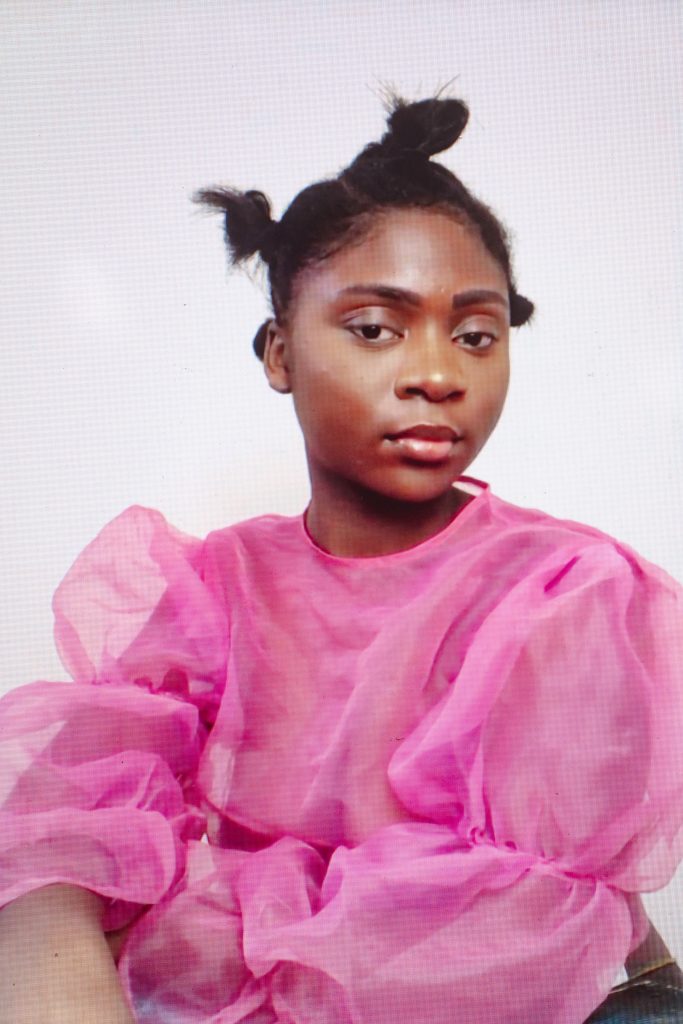
These days branding is less about the look and feel of what you’re offering and more about what you stand for. What values does the work that you do and share communicate about you? Everyone and everything is a brand and the ease with which Felicia can style a whole look using entirely black owned clothing, is her personal brand signature.
This resonated with me because at the time I met her, I was finding and reposting black-owned fashion brands on my second Instagram page, ‘frontrowzine,’ hoping to create a database of sorts where you could discover these labels.
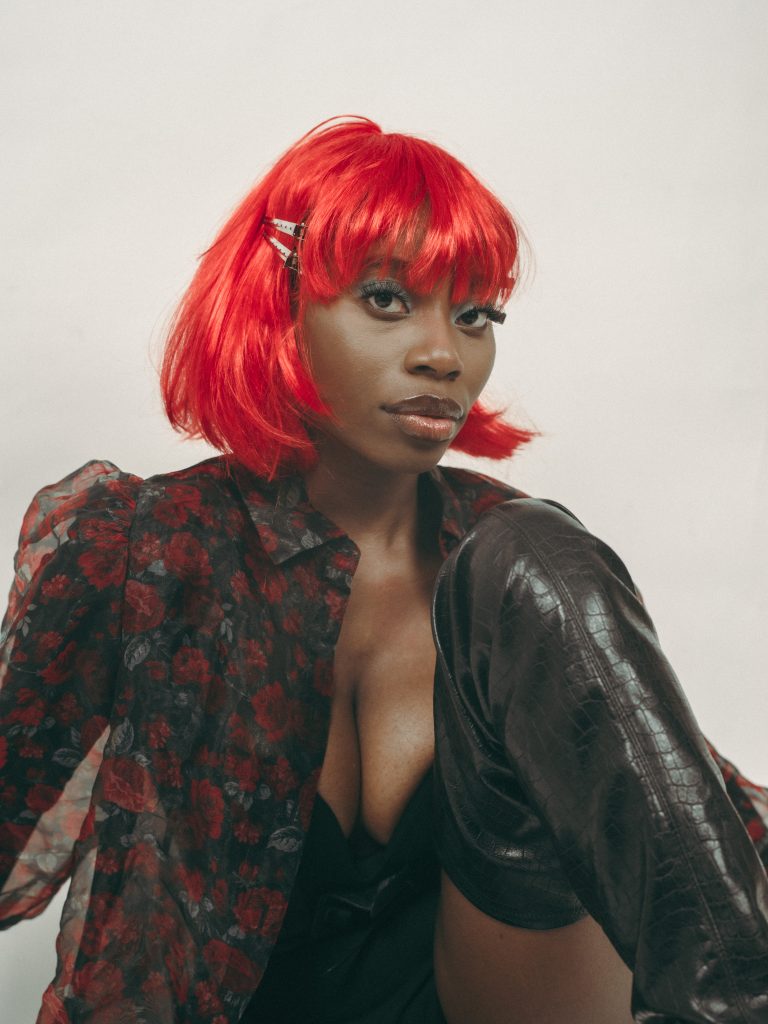
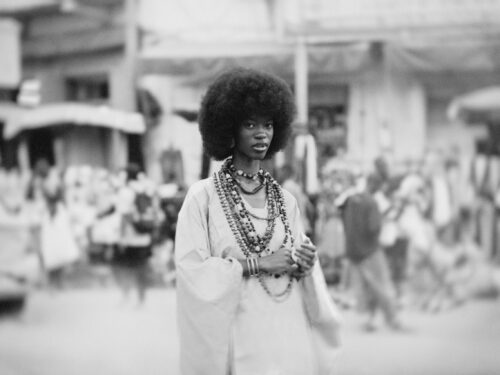
Yasmin is a multi-faceted creative whose practice revolves around decolonising the mind in a way that reminds me of the kind of work artists like Sonia Boyce and those involved in the British black arts movement were creating. Recently Yasmin executed a two-day shoot for her project the ‘New Age Matrix,’ which imagines an afro-futuristic world where we have the freedom to choose our own reality.
Black British creatives have been and continue to create and document their own reality, helping each other push this to the forefront, in my experience. For decades we have been movers and shakers of culture, yet criminally it is only in recent years we are being recognised for our contributions and benefitting from it, notably financially. We are in the process of a renaissance which has a new momentum behind it, driven by the space, creative freedom and global audiences afforded to us as a result of the internet and social media.
Instagram and especially Twitter are spaces where black people – in particular black women – are relentlessly vocal about the oppression and lack of recognition we face as people, which has held us back for far too long. One important outcome of the Covid-19 quarantine is that for the first time ever, for many people (including black people) there was an awakening to the injustices we as the most oppressed group of people in society face.
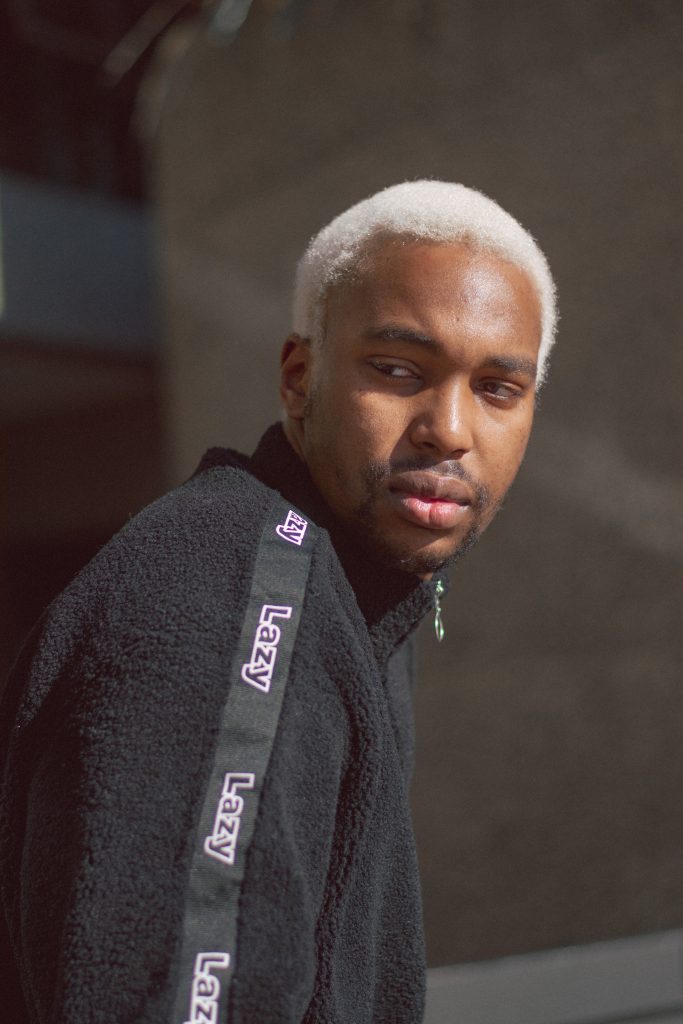
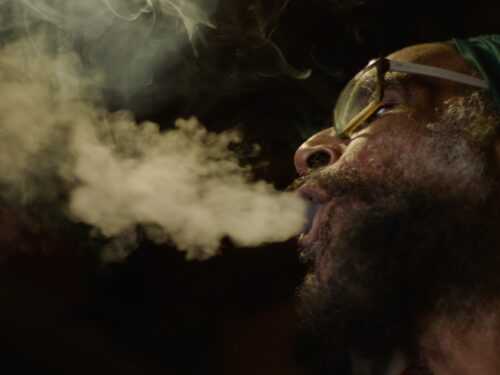
I think of this as an accident because like many structures in society these social media platforms were not created with us in mind, let alone for us to thrive. Algorithms are created by everyday people who have biases and prejudices that are consciously or unconsciously woven into these technologies. M.I.C and Recordheads are musicians who use social media to their benefit to share their music with audiences who will connect and relate to it as it likely wouldn’t be received as well in the mainstream media.
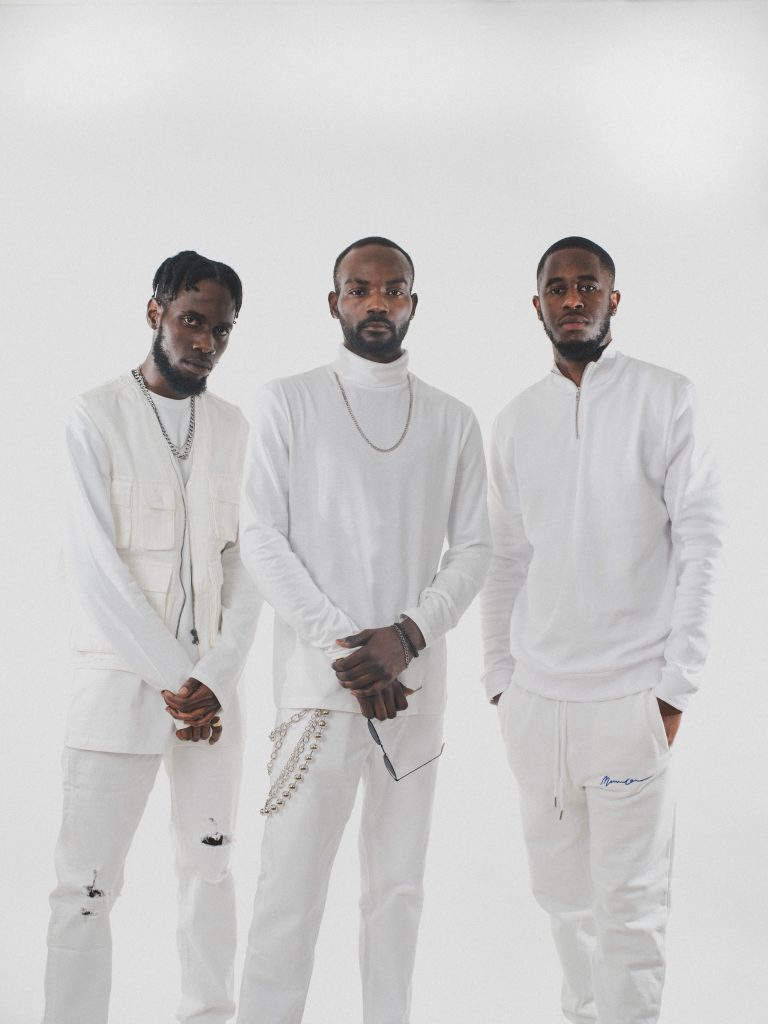
One of the most beautiful things about the Diasporic African community of creatives is that we will always find joy and laughter and community with each other, in real life as well as online. The constant oppression and trauma we are exposed to daily is overwhelming, especially on social media where people insensitively share videos of black people being subjected to violence. The superpower we possess of still finding ways to enjoy our lives and create light – whether through art, fashion or music – is an act of resistance in itself. This is why artists like R.A.E, who’s music and aesthetic is uplifting and doesn’t take itself too seriously is a breath of fresh air.
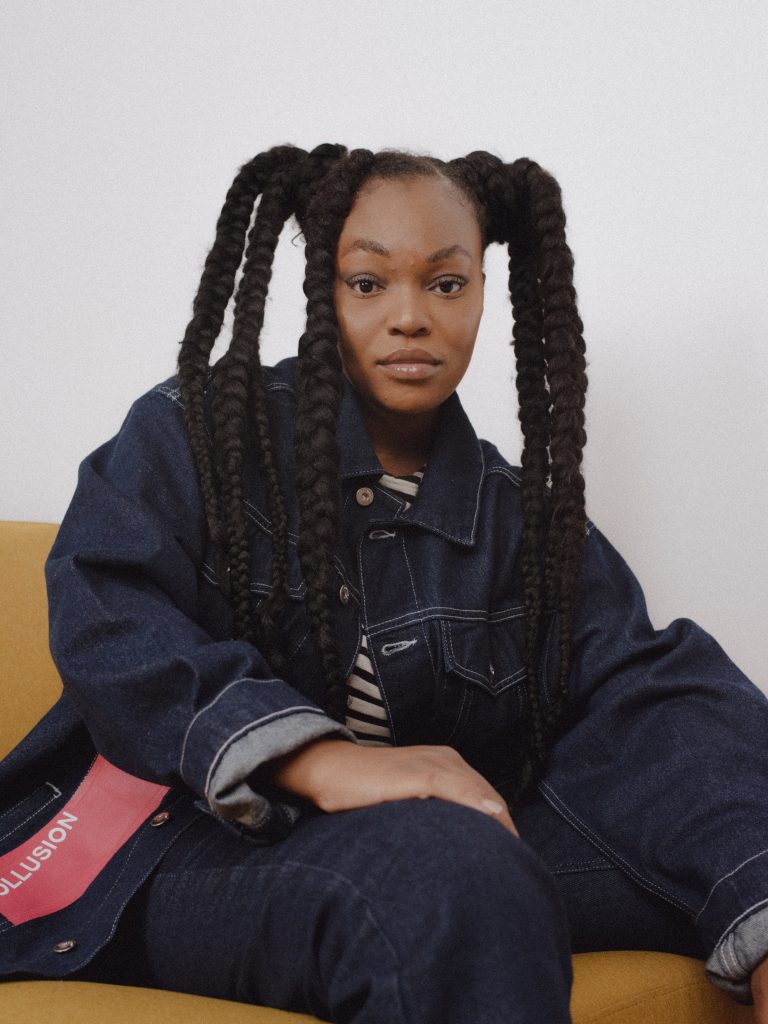
It is hard to say definitively what lasting future changes creatives like the ones I’ve highlighted are making in the grand scheme of what creativity will look and feel like in the UK. However, I can say that each of them are individually forging their own lanes interdependently with others in their field. I believe significant change will happen when we all play our individual parts, making changes on a personal level but with a collective goal in mind. At this point in time my thoughts are that; as creatives, emancipation from what white supremacist patriarchal systems say we look like, should create or should get paid and defining an authentic space that exists within the wider social and cultural context is a good goal to start with.
All still shots by @shooter_terns. Up2N0Gd film by @i.marqr.
Check out GUAP’s YouTube channel for more…