All photography by Toka Hlongwane (@thesunburntson)

The human body and its natural environment have a fascinating relationship that is mutual, but of late parasitical since humans are now on the verge of tossing the planet to shit. Beyond the overt biological synergy with the earth, humans from various cultures have attached land to spirituality. This is either through ancestral tracing attached to flora and fauna used in rituals for spiritual sustenance, or regions on their land that are sacred because of their history and the presence of mysticism. However, that’s an environmental topic for your next visit to your favourite bar.
The importance of understanding genetic diversity in relation to the environment has been at the centre of anthropological studies, politics, and scientific research, although the significance of the spiritual element of land has been a footnote. For the most part, it’s only those who practice certain spiritual beliefs who are more engaged with the topic and its lifestyle, often because it’s seen as a subject too fleeting to fully overstand. It would also be a disservice to be reasoned out in the third person or to try to convince someone of its existence or absence. Even a descriptive phenomenological approach would still not be enough, unless the scholar practices the said studied spirituality.
‘South Africa is a melting pot of African spirituality of all sorts, so prophecies, prophets, healers and shamans are abundant’
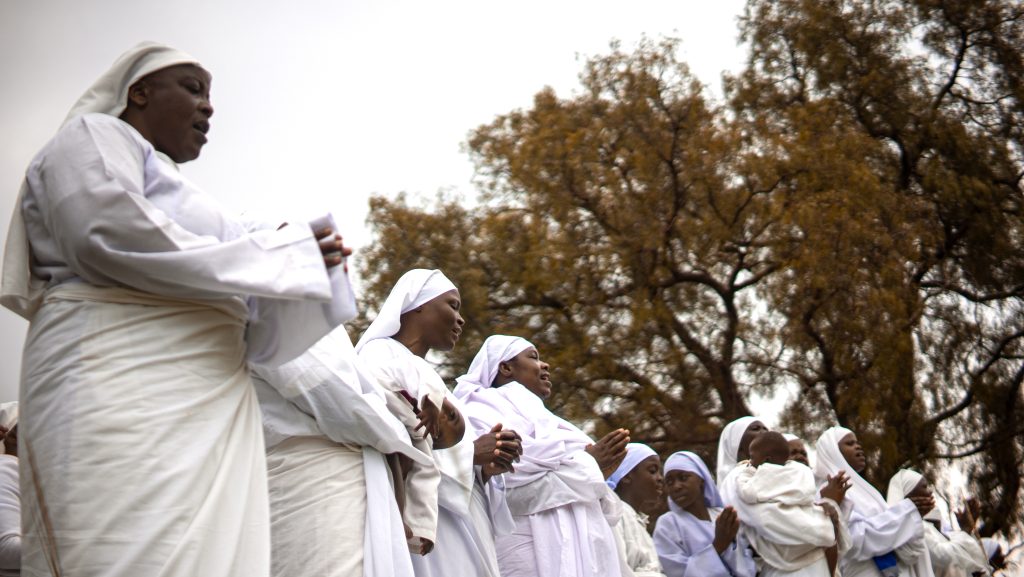
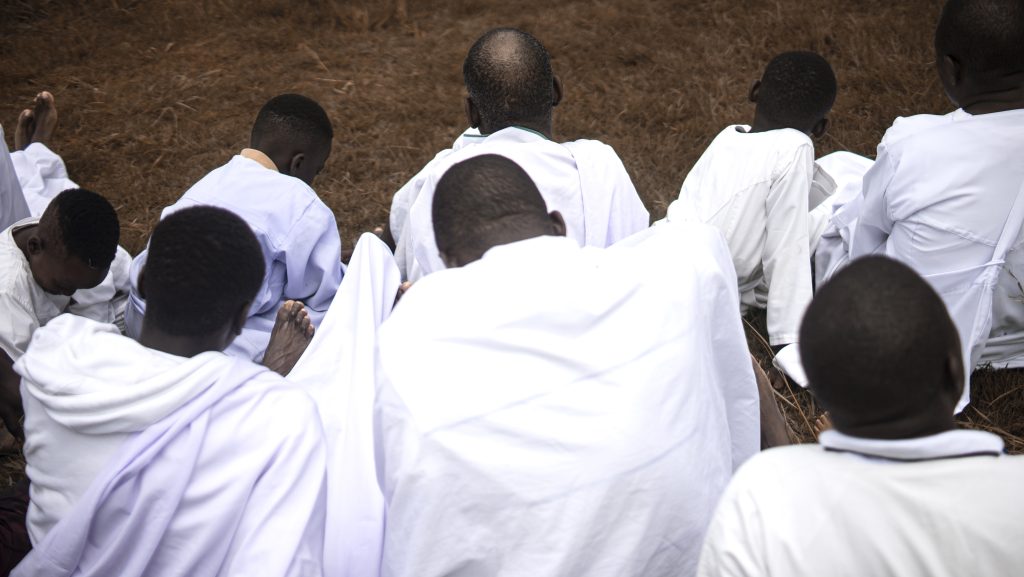
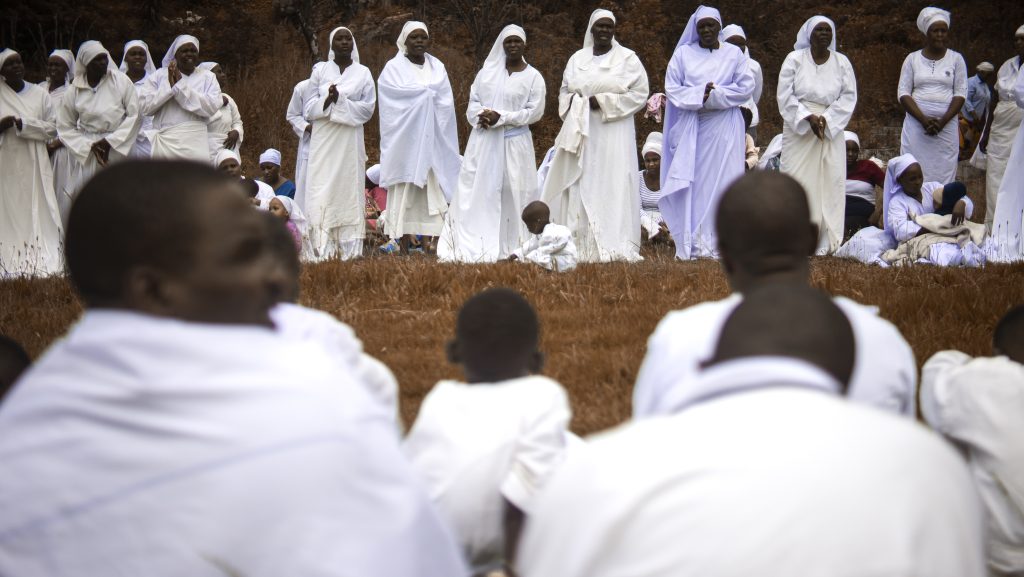
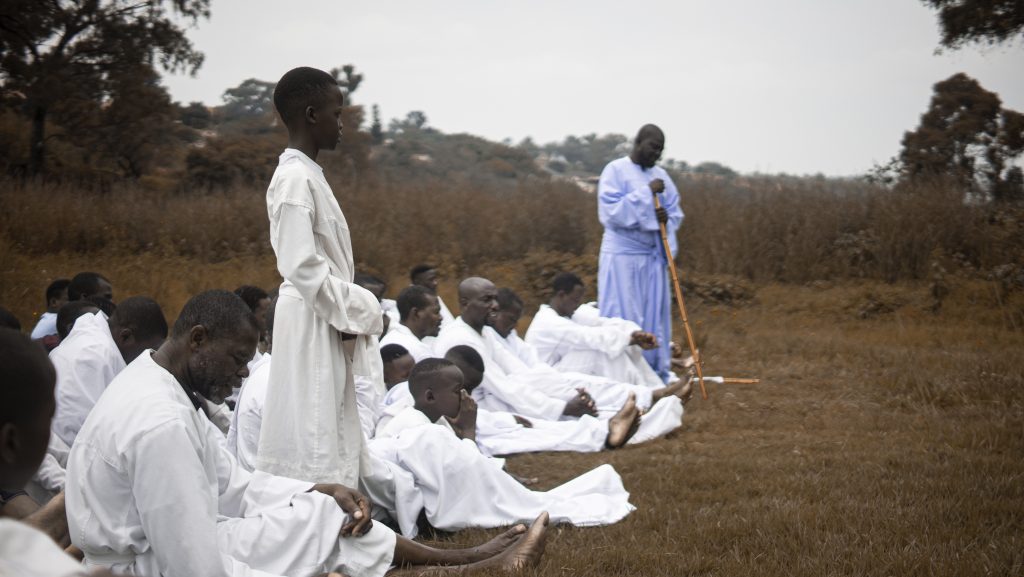
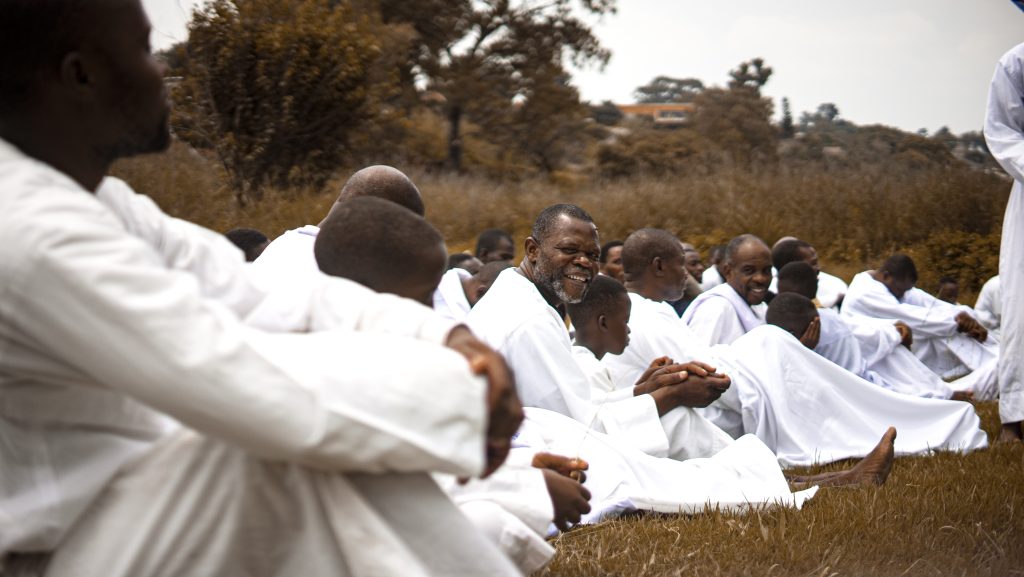
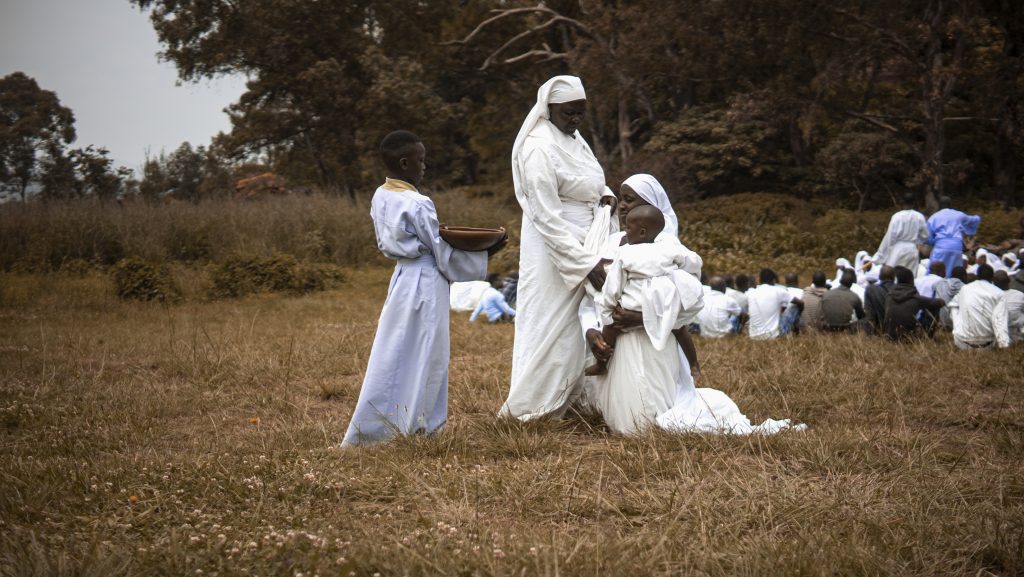
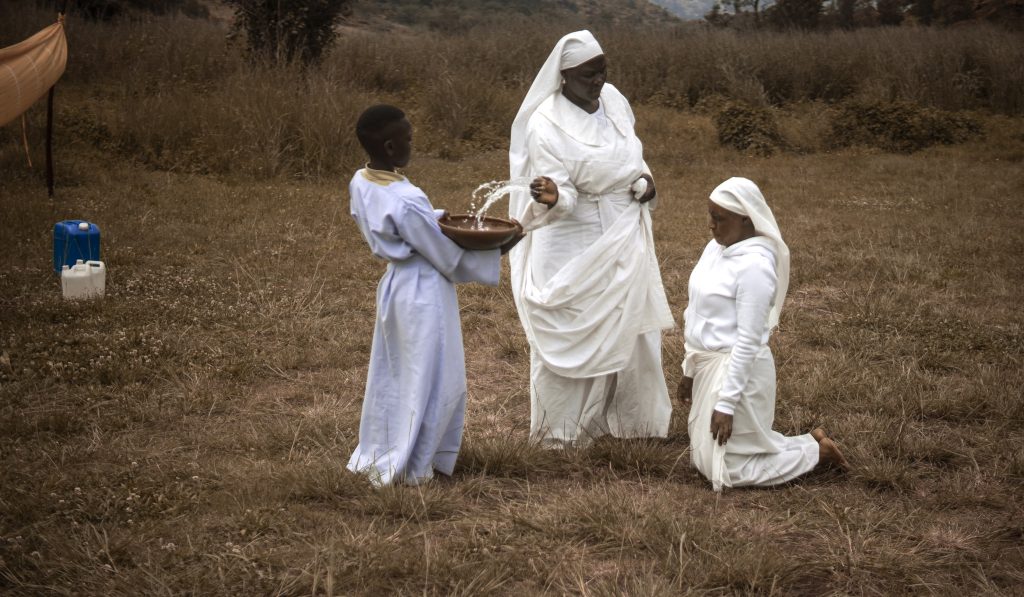
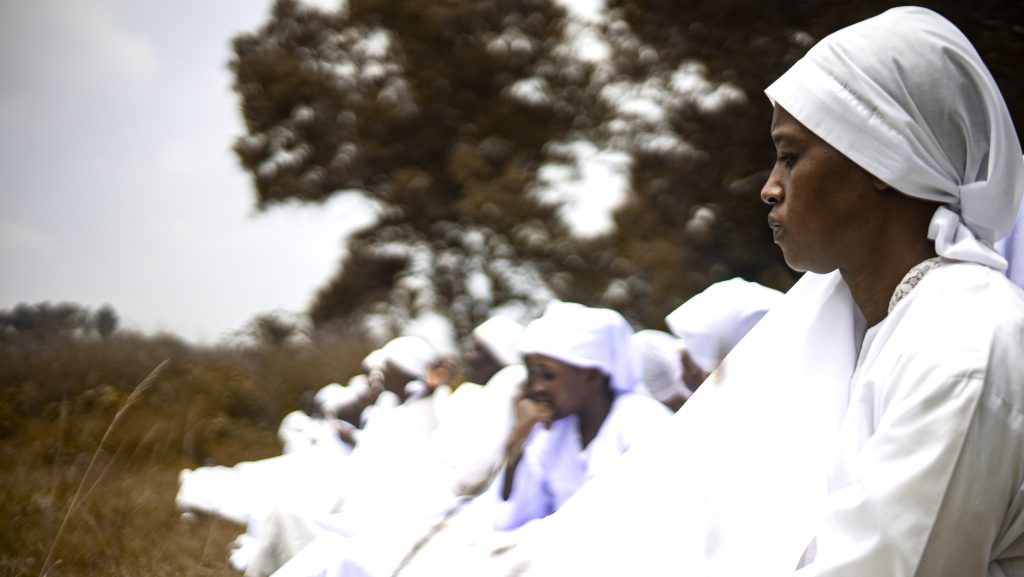
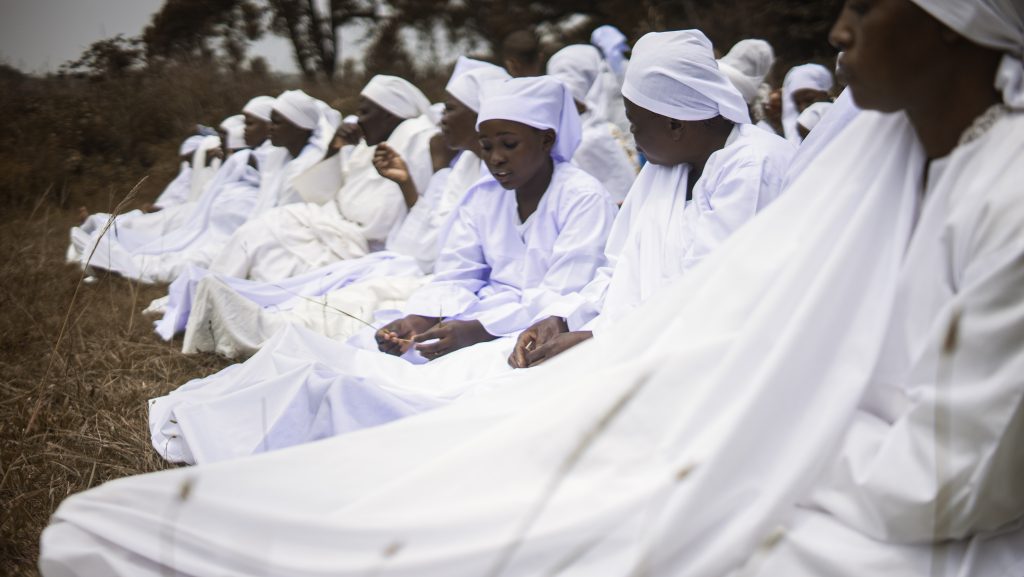
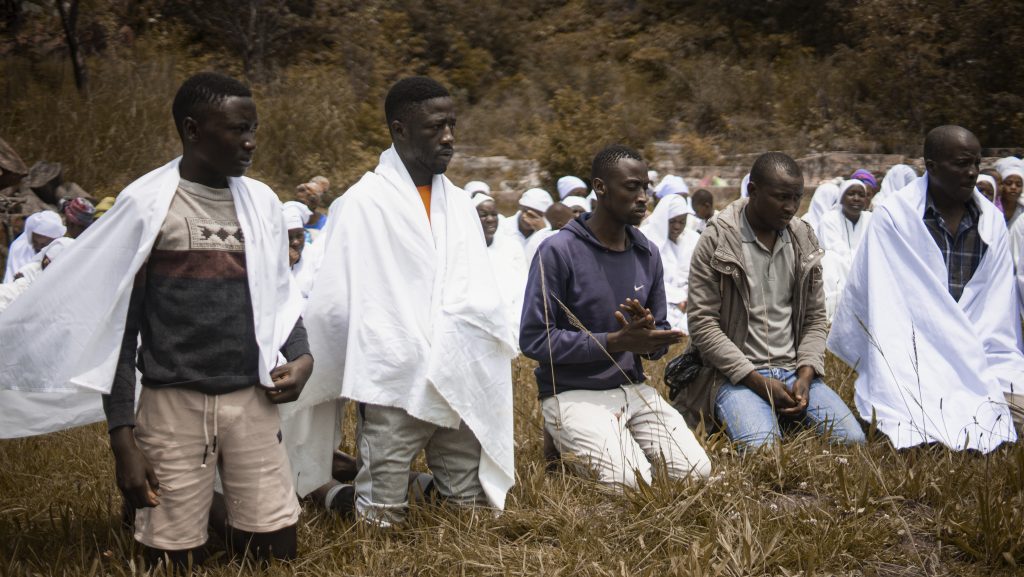
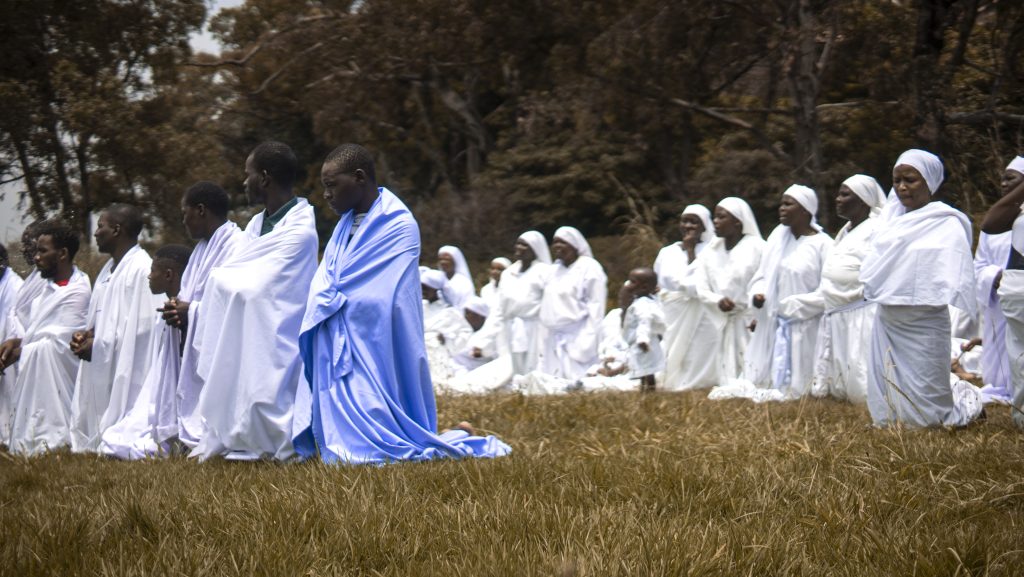
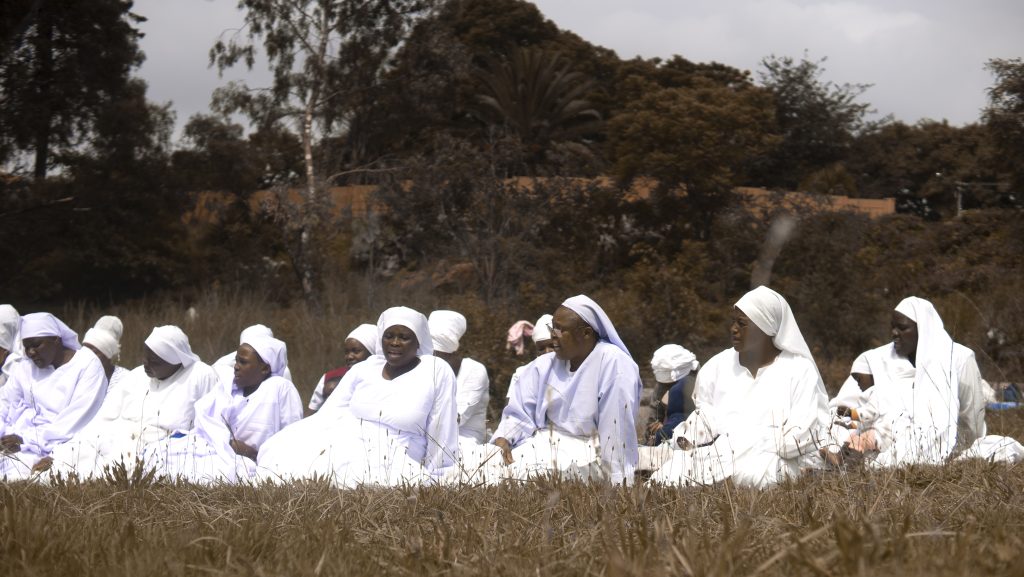
For a while now – and by a while, I mean almost 16 years of proactive observation – I have seen multiple congregations known as aVapostori, (The Apostle in the Shona Language), every Saturday or Sunday in different parts of South Africa. Dressed in white garments, their churches would mushroom on foothills occupying the sides of freeways, random inner city open spaces and pieces of land that they use as their abbey. Some have flags on poles and painted rocks to demarcate their sanctuaries. Word spread that the worshippers were from Zimbabwe, and whenever I encountered aVapostori, I always wondered how they went about picking spots for their open-air shrines and places of prayer. It was when I got older that I met many of the members personally.
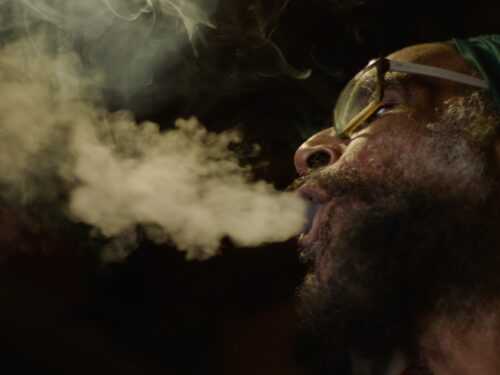
In Cape Town in 2014, I befriended a devotee named Tinashe Masawi. He worked as a landscaper at the offices of the then television production company I worked for. Our initial encounters started with us nerding out to our favourite reggae riddims. Soon we became close, and the closer we got, we started peeling off layers from each other. Weeks before my father passed Tinashe caught me on my smoke break in the garden and abruptly asked me where my father was. “He is ill, isn’t he?” … I was startled by the question and the grave look on his face. At this point, I hadn’t told anyone at work about the fact that my father was in and out of hospital battling ill health. “Rasta there are dark spirits after your father’s life, and he isn’t going to survive. You must also guard yourself because these people are after you as well.”
He went on to describe events and characters behind my father’s deterioration, and I spent several days worried about his words, but I wasn’t tripped up by them. South Africa is a melting pot of African spirituality of all sorts, so prophecies, prophets, healers and shamans are abundant. Two weeks later, my father passed, as Tinashe had predicted. I became intrigued by his gift, and he began unpacking it, telling me that ever since he was young, he always had vivid visions about people around him; strangers and familiar folk alike. He had begun learning how to harness this gift in the church of Masowe; the same white-garment-wearing congregations I had seen regularly. Finally, I had insight into this mysterious parish.
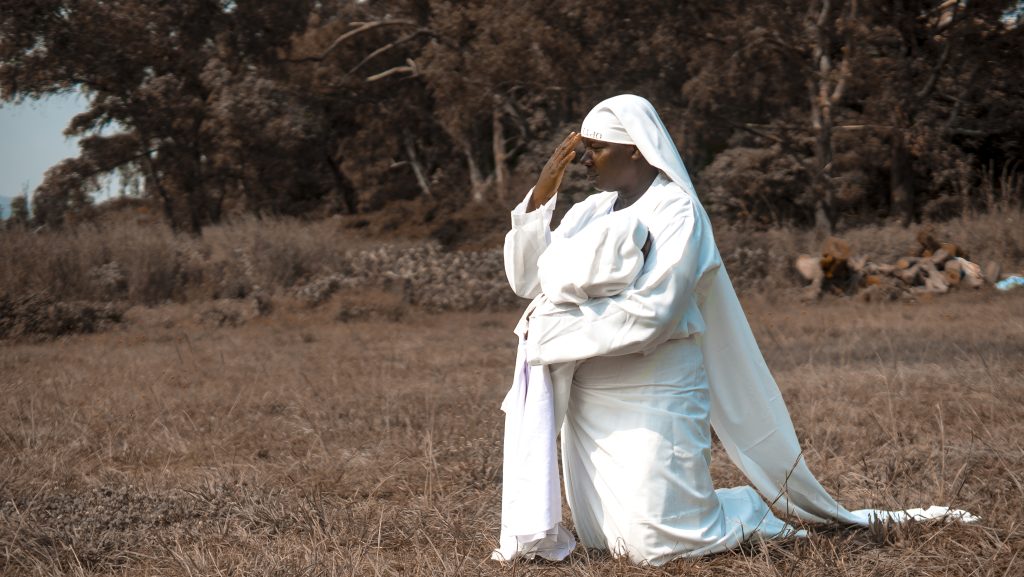
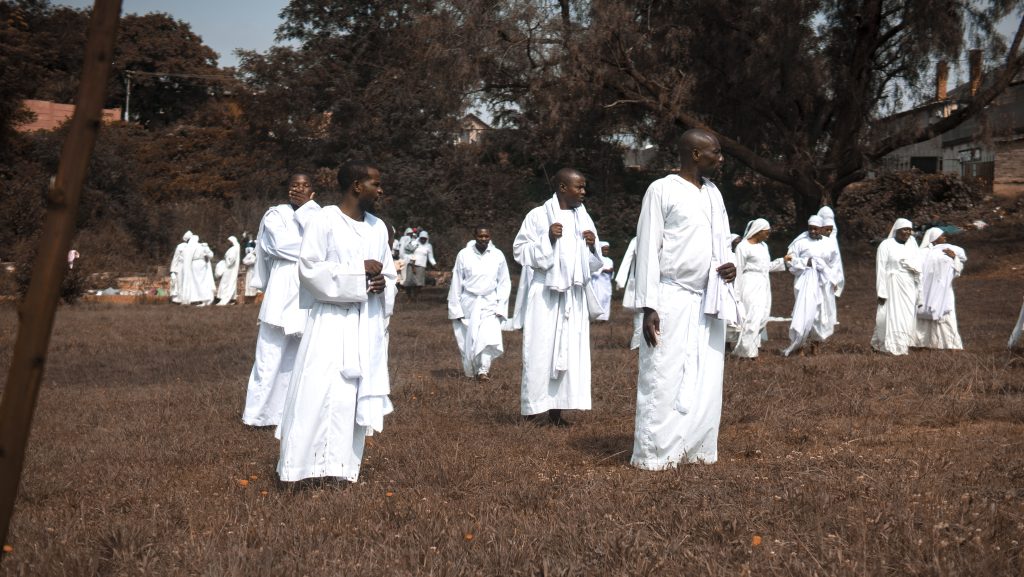
Tinashe clarified that the open-air shines aren’t picked randomly. “Rasta, you see, if the priest or prophet in charge of a certain congregation is true and in tune with his calling, the place of worship will reveal itself to him, and he will journey out to seek it until he finds it. Otherwise, if he chooses one for himself randomly, then the messages and spiritual nourishment he must share with his congregation will not be true.”
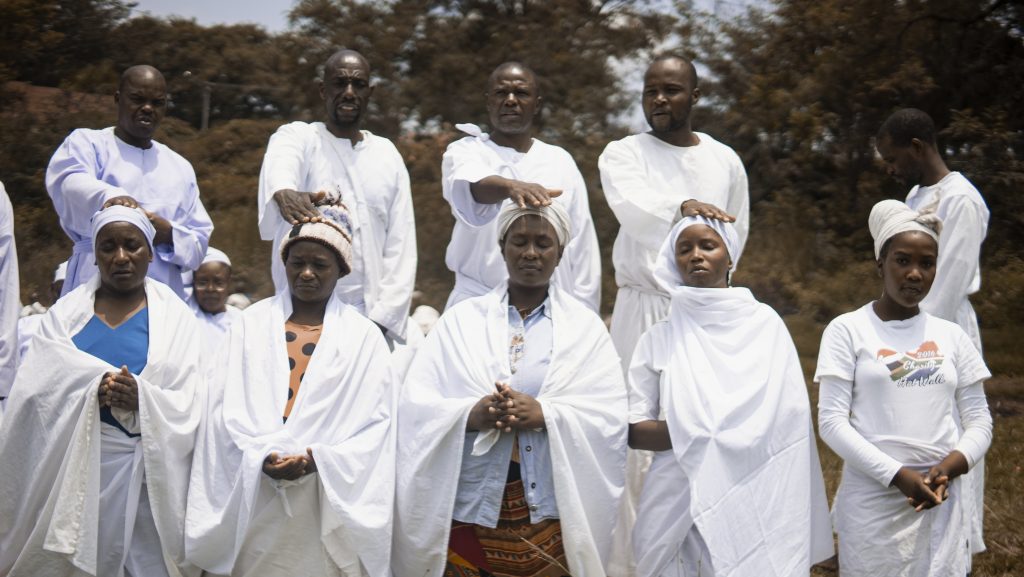
The Gospel of God church in Zimbabwe was established around 1932 by Shoniwa Masedza Tandi Moyo in Gandazara village east of Zimbabwe, an area with a heavy Anglican Church presence and influence. He was known to his aVapostori as Johane Masowe, “John of the Wilderness”, after spending 40 nights on Marimba Hill without sleep and surviving on wild honey. His stay there was broken by a burning bush voice telling him he was blessed, that he should spread the new gospel and tell Africans to do away with traditions that do not serve them.
Some of his followers that I have spoken to have names that correspond with those found in police records of the Rhodesia British Regime, the colonial state that also arrested Masowe several times for preaching to crowds without proper documents. Masowe’s followers attest to him saying he fell sick with severe pain to the head. Amidst the trauma, he would hear voices telling him his new name was John. He saw this as a sign that he was a reincarnate of John the Baptist and that he ought to liberate Africans through a new gospel.
The authorities were threatened as his teachings preached against dominion and were aimed at the spiritual emancipation of Africans independent of western ideals and influence. The quasi-Christian mandate and message of his church was, and still is, a hybrid that did away with certain traditional practices that did not serve the Shona at that time in their lives. Masowe shunned the practice of witchcraft and demanded that Africans give up their charms, fetishes, and other oppressive traditions. He kept the ones he approved of and mixed them with modern practice and glimpses of Old Testament teachings, thus, creating a new religious movement that is a cocktail of African Traditional Religion and Christianity.
By the late 1930s, the movement expanded from its initial Shona tribal religion and traversed borders as Masowe travelled across Zimbabwe. The country’s political regime was threatened by his lack of interest in obeying the restrictions set on him by colonial rule. They kept detaining him, but he continued baptising people and spreading his gospel. In the 1940s he moved to South Africa and settled in Korsten in Gqheberha (Eastern Cape). Here, an aVapsotori exodus began as thousands of pilgrims followed their leader. Masowe stayed in South Africa for eight years, before moving further north and settling in Zambia until his death in the city of Ndola in 1973. The movement expanded and can be found in countries as far to the east as Kenya.
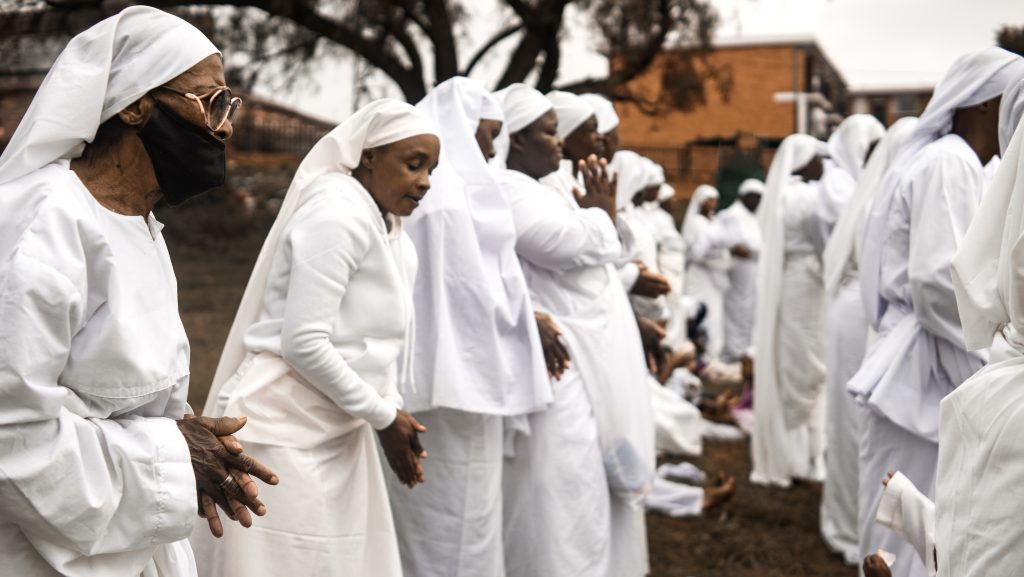
At first glance, you might categorise this church under the umbrella of the AIC (African Indigenous Churches), an acronym created by some theologians who believe in the ‘fourth great age of the expansion of Christianity,’ due to the expansion of Christian churches set up by Africans, independent of missionary influence (influence is used disturbingly loosely in this context). These include churches such as Ibandla Lama Nazaretha, established by Isaiah Shembe and the Church of God and Saints of Christ by Enoch Mgijimi – both in South Africa. There’s also Kimbanguism of the Democratic Republic of Congo, established by Simon Kimba, as well as other churches on the continent.
‘Upon going to several services of the church, both in Cape Town and Joburg, I realised that the sermons were more political than religious’
aVapostori don’t entirely fall into this bracket; its devotees and some Zimbabwean scholars like Francis Machingura argue that they are more of a sect of Christianity and not a Christian church. This church-sect paradox is mainly a result of Masowe’s disregard for the bible and its weaponisation by colonisers against Africans. He made a conscious decision to use traditional African shrines as places of worship and ritual for Mwari (God). He argued that these shrines and uninhibited ancient spiritual sites had more profound spiritual significance than missionary temples and churches. Sacred places like Chivavarira Hill and the Ngarikure Pool were reappropriated by Masowe as the sites of worship for the aVapostori, as they were already holy sites for the traditional Chirumhanzu community, and this is where thousands of pilgrims gather in May for the muteuro wegore (annual prayer).
The importance of land in this regard is incredible. It is not seen through the lens of habitation, ancestral burial importance, wealth or other pedestrian and queer uses like fracking or building dumb safari lodges for holiday seekers. In this context, it is significant for spiritual nourishment that sustains the flesh of aVapostori. The issue of land expropriation to its rightful owners is a topic that twirls the tongues of many Africans on the continent. Spiritual relevance has been cited in many papers and arguments, although it is a footnote amongst the reasons why Africans should rightfully be given their land back.
Upon going to several services of the church, both in Cape Town and Joburg, I realised that the sermons were more political than religious. The topics included economic self-reliance and independence from the tyranny of the capitalistic system. One preacher revolved his sermon around assets that white people won’t let go of, saying the biggest acquisition the murungu (white person) has in Africa is the African’s mind, and secondly his land. These sermons rang loud with Marcus Garvey’s 1920 Declaration of the Rights of the Negro people of the world, which was adopted and actioned by a handful of African liberation movements, who fought politically, intellectually as well as religiously.
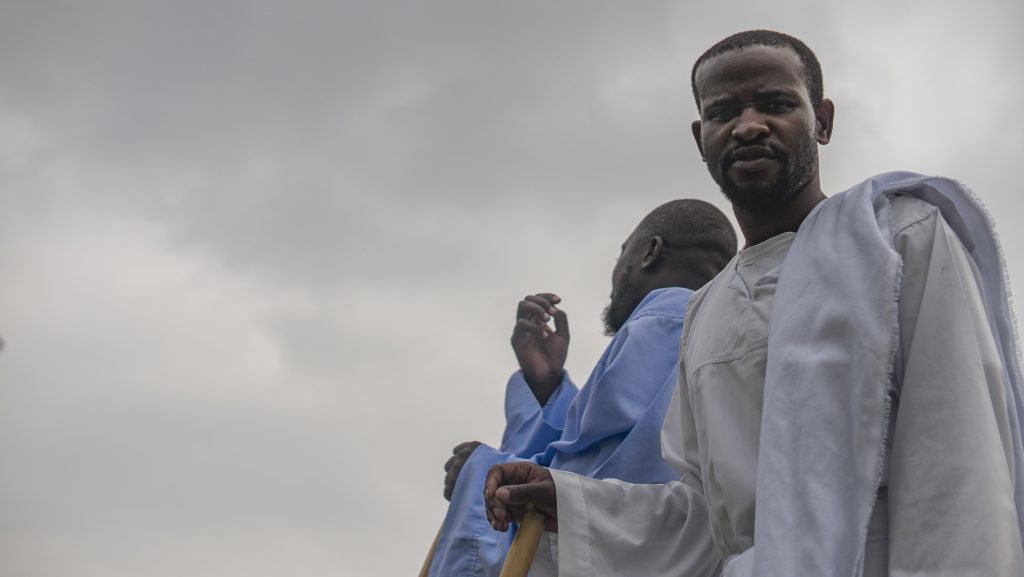
My simple mind began to wonder about the criteria of the specific land the prophet was set to look for. Although Tinashe had said that the holy spirit is the main navigator for finding it, my soul wasn’t fully satisfied with his answer. He humoured my curiosity and told me that most of our land carries spiritual significance; plants, minerals, and other biodiverse elements are essential to spirituality, therefore we shouldn’t look at the land from a capitalistic point of view, but a holistic one. “You know allergies, my lord” he went on to say. “They are a sign that you are engaging with something in nature that doesn’t align with your existence, [so] you must move away and not interact with that thing. It is the same with the land our prophets are shown; it must align with our existence so that we can reach higher spiritual vibrations. The plants, minerals and air where our shrine should be all work together to ensure we align with the higher being without interference.”
This had me thinking about my own existence and how I always feel more alive around vast bodies of water … although I can’t swim. My ancestral genetic makeup thrives around coastal areas and feels stifled if I stay in landlocked places for too long. It’s an anxiety I can’t fully explain, or entirely understand, and a huge part of my hate for Joburg is because my spirit isn’t at peace and I am constantly restless.
Subconsciously, I attribute these feelings to my grandmother who, during the 1970s, worked on ship docks at Mossel Bay. I grew up hearing stories about the place and she would light up when she spoke about it. As a kid, the only other place I ever wanted to see – besides Disneyland – was that small harbour town in the Western Cape. Still, maybe it has more to do with water deities that the most traditional of my relatives are said to worship to connect to Tlatlamatsholo (“God” in Sesotho).
This is plausible as the first two lines of the traditional Basotho prayer that predates colonialism and its dubious religions describe Tlatlamatsholo as ‘the rainmaker, the one who governs water, the tear of winter because water purifies nations.’
It is safe for one to say God is and is in the land and, therefore, at the helm of our quest to reclaim our land from settlers. The main argument, above all, should be reclaiming God, and maybe we will truly align with our essence as Africans, return to our glory, stop begging for a seat at the world’s table and carve our own, where seats are loaned out on merit that meets our standards and neither that of the west, nor the far east.