Interview: Nana Ocran, with all images courtesy of Sope Adelaja
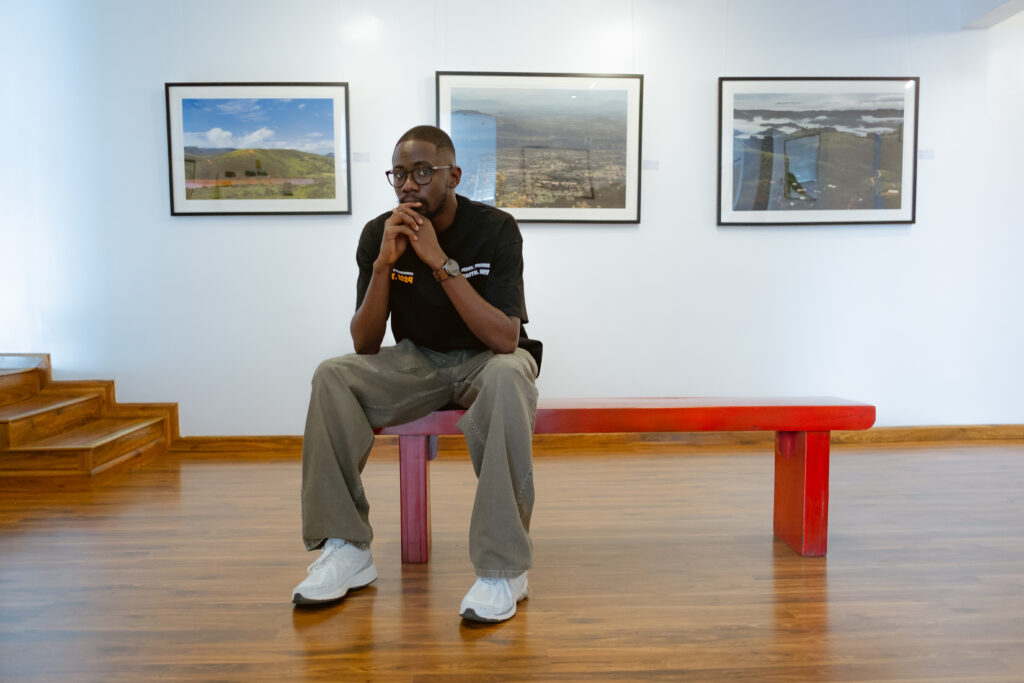
Threads of Light, Threads of Us wasn’t Sope Adelaja’s first solo exhibition. As an artist who likes to question the future of ‘we as human beings,’ his first show, in 2024, was titled In Her Hands, as a reference to the planet and his thoughts on women as key nurturers. However, 2020 was a landmark year in which questions and ideas relating to his most recent project and exhibition started percolating. This was during the lockdown, when the new global pace of living allowed him more time to reflect on the types of stories he wanted to tell.
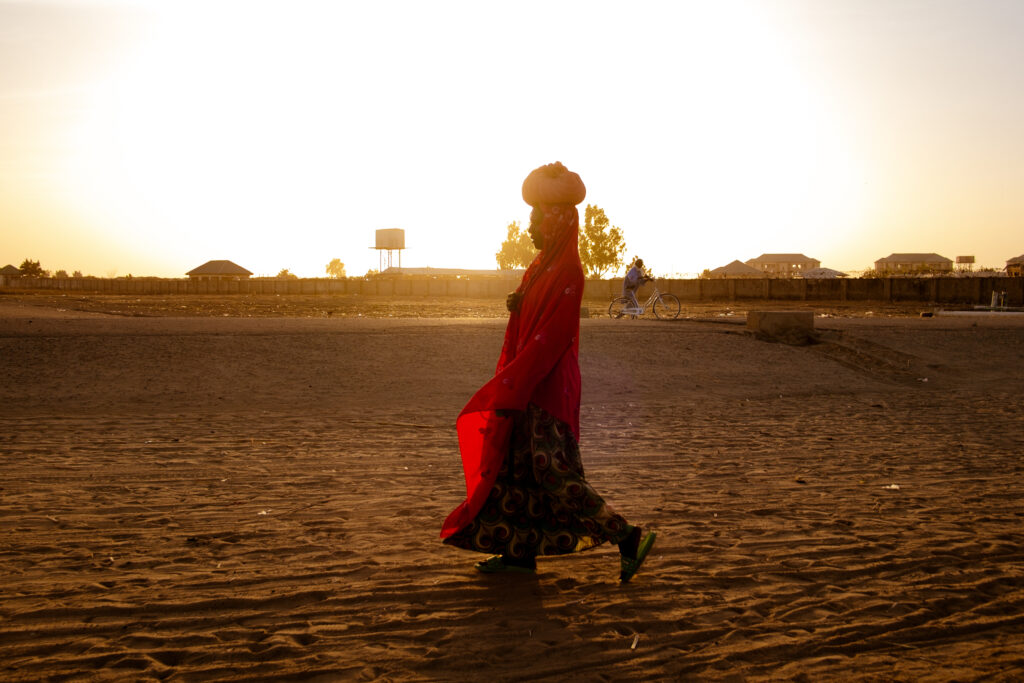
Over four of five years, explorations in Nigeria and Senegal led to his successful Threads of Lights, Threads of Us exhibition in London, with the project, in some way, existing as a travel experience, imbued with Adelaja’s specific themes of landscape, fashion and community. His own personal history is tightly woven into each visual context, with natural light always a strong source of aesthetic inspiration.
Still, even beyond what’s visually tangible, Adelaja’s wide-open sense of curiosity, his creative energy and ongoing wanderlust has a huge creative impact on all aspects of his process. He is at a point where his work has been showcased in collective exhibitions that highlight the importance of cultural bridges. From the German Foreign Office to the Yunis Emre Institute in Abuja, these cross-sector connections are building cultural networks, not just for Adelaja as an artist, but for wider creative ecosystems in and beyond Nigeria.
In a recent conversation with People’s Stories Project, Adelaja opened up about cultural storytelling, artistic sacrifice, and the importance of giving back to a community that has supported him deeply. His words are captured below.
“Before I’m a photographer, I’m a human, and then I see myself as an artist. My preferred medium right now is photography, but you know, tomorrow I might start engaging in sculpting … or painting … depending on where I am mentally.
I’m a very curious guy, constantly on the lookout for platforms, always on social media, and looking at what other artists are doing around the world. That’s why I travel so much.
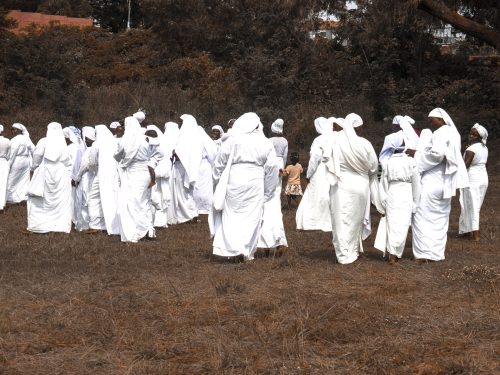
Growing up in Nigeria, we used to have electricity failures. When the lights went out at night, we would all go outside to enjoy the natural breeze. During those moments, we would tell moonlight stories, about the tortoise and the hare … about each other. That really shaped how I understood light, and how I understood the aura and power of oral storytelling. So, my work Threads of Light, Threads of Us is basically my reflection of light, of community, and what really ties us together.
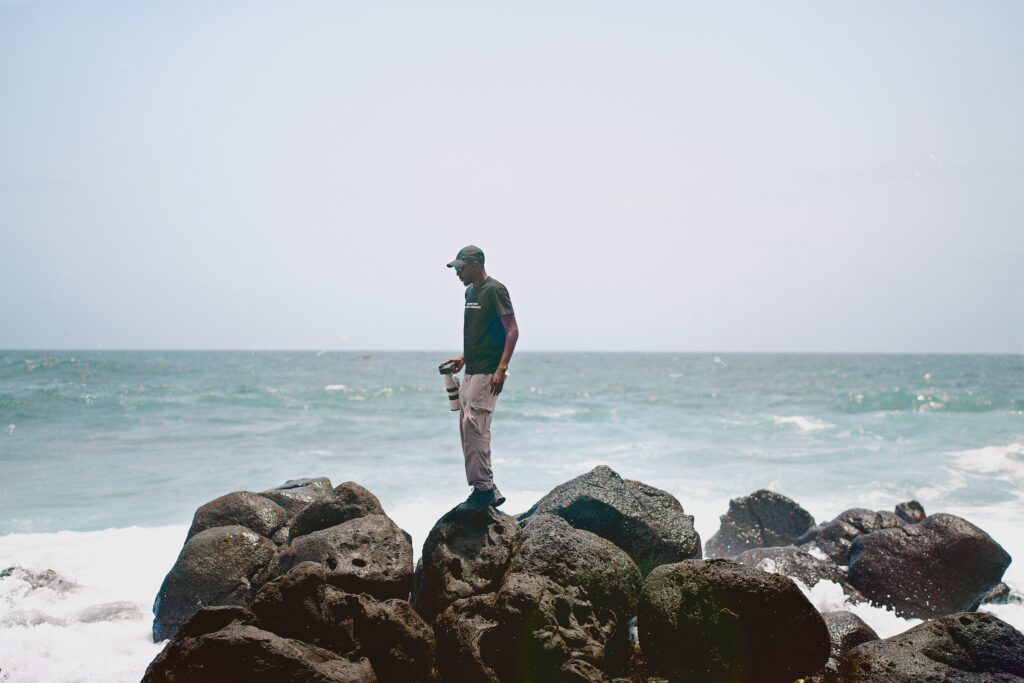
My practice has evolved over the years. I used to do a lot of editorial work, with commercial magazines, but I walked away. I think back to 2020, during the lockdown. I was spending a lot of time with myself and doing a lot of thinking. That was when the mind shift happened. I started the first part of Threads of Light, Threads of Us then, in Nigeria, but I picked it up in 2024, in Senegal. I went to Sandaga Market there. It felt like Lagos. You see the bustling, the movement and textures but what made it really feel like I’d been there before, was the way the light hit the market alleys, the sellers… The cultural context might differ, but the light gives that feeling of home. I wanted to keep that story line connected.
This kind of storytelling is commercial in a way, but the commercial part of it doesn’t come first. It has to start from you as a person, so if you want to be a commercial artist, there are a lot more mediums that you can go to. My goal is to create socially and culturally impactful photographic work that outlives me, holds memory, honours lived experience, and transforms how we see, feel, and remember.
I have a studio in Lagos, Nigeria, where I produce work. It’s not exactly open to the public, because I like to keep my work environments private, but I definitely do open it up to my friends and people that I feel comfortable enough to open up my space to because there’s a lot here.
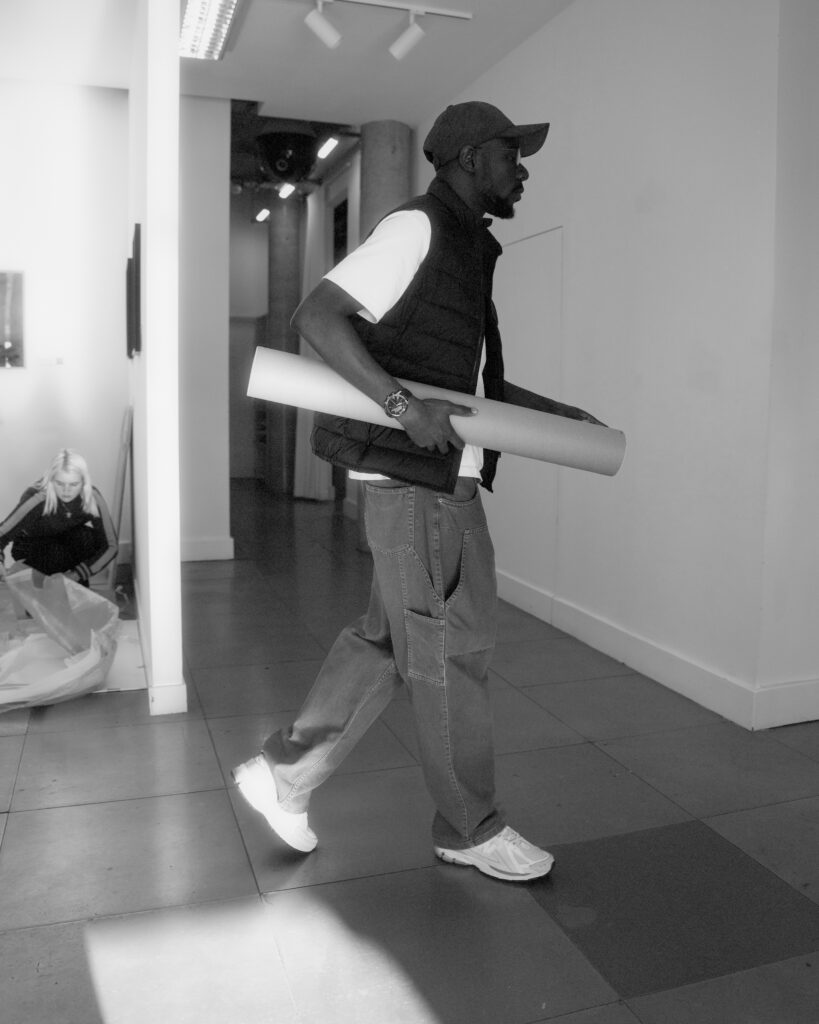
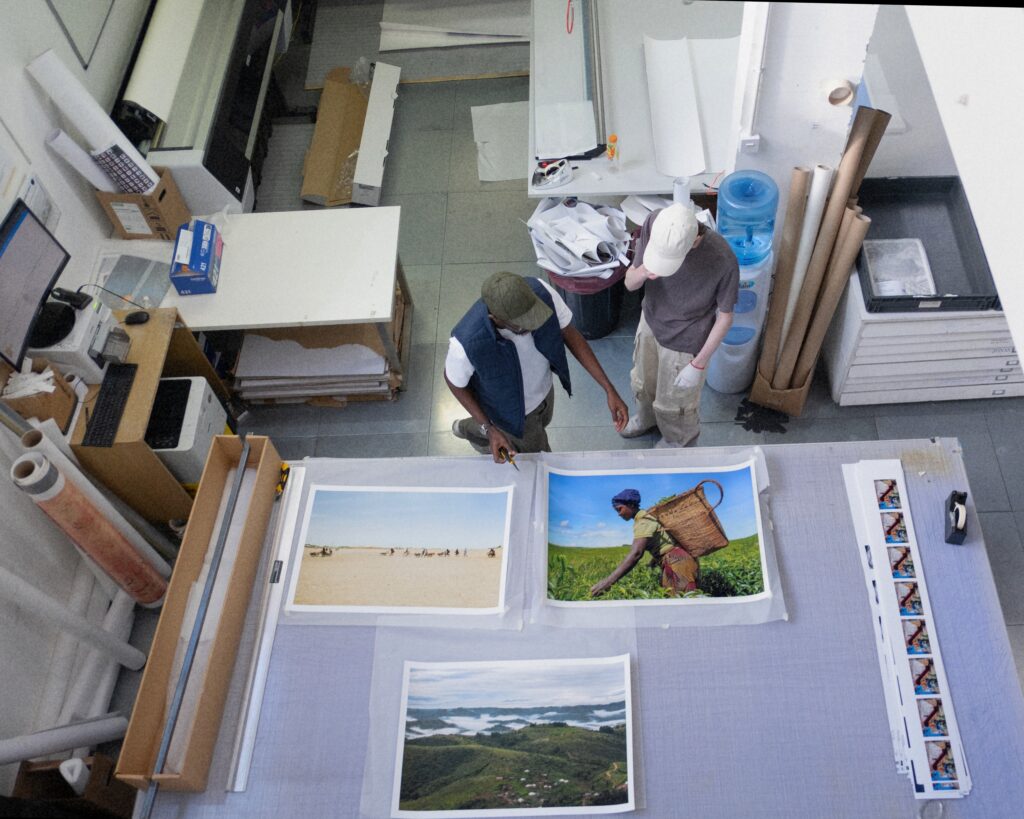
When you’re really passionate about something, other parts of your being might suffer. I’m a single guy, and I feel that very, very few people really understand the demands and sacrifices you have to make as an artist. You have to give your all and pour yourself into it. It’s different for different people, but there’s definitely going to be some sacrifice that needs to be made and because of that, your love for this art can consume a chunk of your emotions.
The kind of projects that I work on are very research intensive. You have to spend hours trying to find answers and information, and there’s no supplement for that, although I can only speak for myself, but survival wise, it has been very good.
As interest in the type of work I create has grown, collectors and audiences have increasingly sought out my photographic prints, and exhibitions have also played an important role in terms of visibility and income.
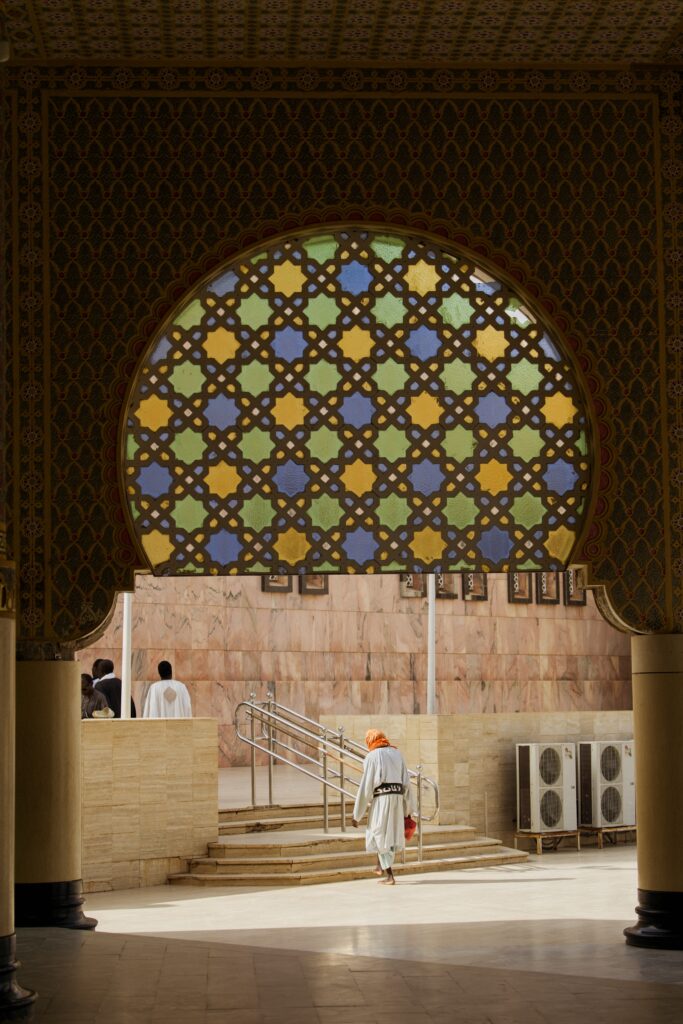
I don’t think your work can breathe or even see the light of day without support, and many people played meaningful roles in supporting me throughout the Threads of Light, Threads of Us project, from production to exhibition.
In London, during the exhibition, one major supporter was Aaron Lomasney, the founder and managing director of L&S Printing Company, who consistently offered practical solutions and creative alternatives.
Another important contributor was Kenneth Appiah Nimo, author of Africa in Fashion: Luxury, Craft and Textile Heritage. As part of the exhibition programme, he participated in a public conversation with me and his insights and perspective on African narratives and cultural storytelling added real intellectual depth to the exhibition.
I curated the show myself, but I was supported by Rotendu, who acted as an assistant during the exhibition process, ensuring everything ran smoothly while I balanced both the artistic and organisational responsibilities.
Emily Nkanga, a London-based photographer and visual artist, was also a close ally throughout the process. She offered valuable guidance on navigating the London arts space.
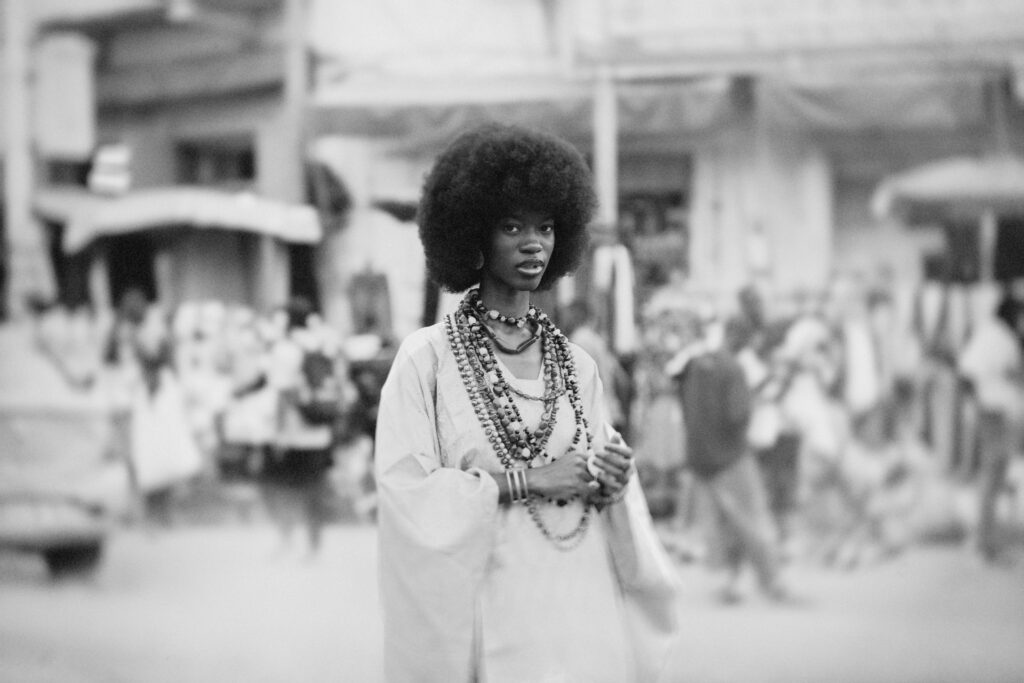
In Senegal, a significant supporter was Marta B. Cole, who is based there. She assisted with local guidance, mobility, and sourcing props and materials needed for the project. She was also one of the subjects of the work – the cover image of the exhibition is a portrait of her. Her support made the experience more culturally grounded and practically manageable.
I also travelled with Daniel Amao, a Nigerian-born travel filmmaker, who provided both creative and logistical support throughout the Senegal phase. We moved across Dakar, Saint-Louis, and Touba together.
Again, in London, Da Silva Victor, a filmmaker and close collaborator, supported the project by helping with behind-the-scenes coverage, offering suggestions, and assisting in keeping the moving parts of the exhibition running smoothly.
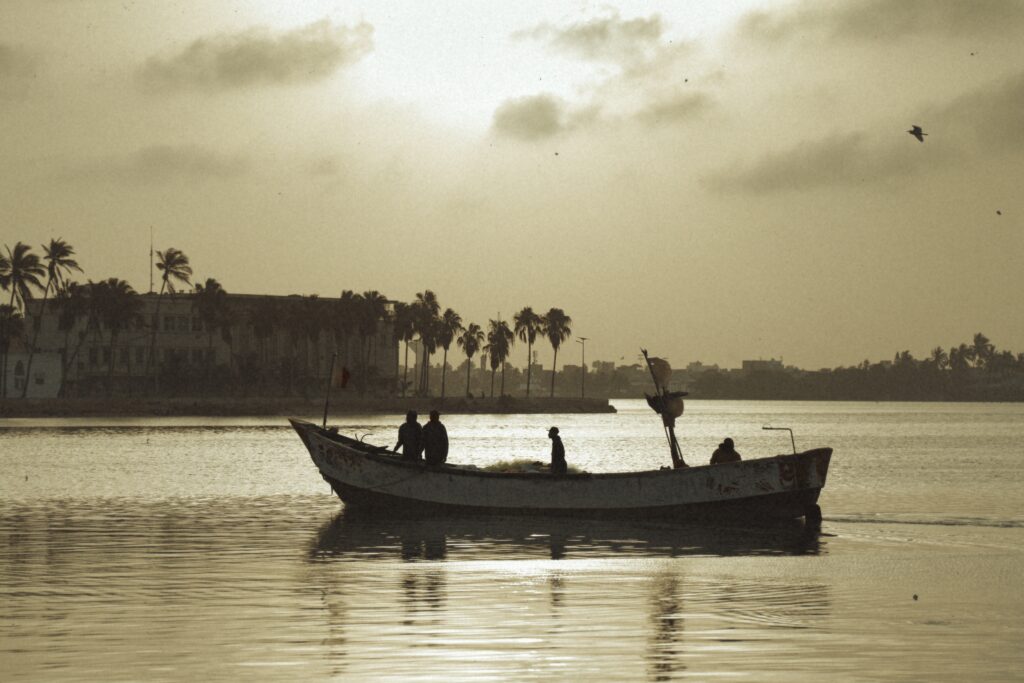
Right now, I’m working on a project called Shining a Light Collective because I’ve come to understand that for Africans, African artists and African storytellers, there’s not a lot of work being done in how to guide them in the thought process of how they approach their stories. That’s how the name Shining a Light came about.
It’s my first ever workshop, or masterclass, so we are trying to put that into motion, and I want to start in the African context of how to approach narratives, and not from a perspective of global funding that often privileges certain kinds of stories over others.
So, Shining a Light Collective is going to be something intimate. I want to be focused on the people that are really driven to want to take that process. The resources are going to be personally funded. It’s my way of giving back to this thing, this art or this community that has given me so much.”