Interview: Nana Ocran (PSP) with all images courtesy of Amaka Obioji
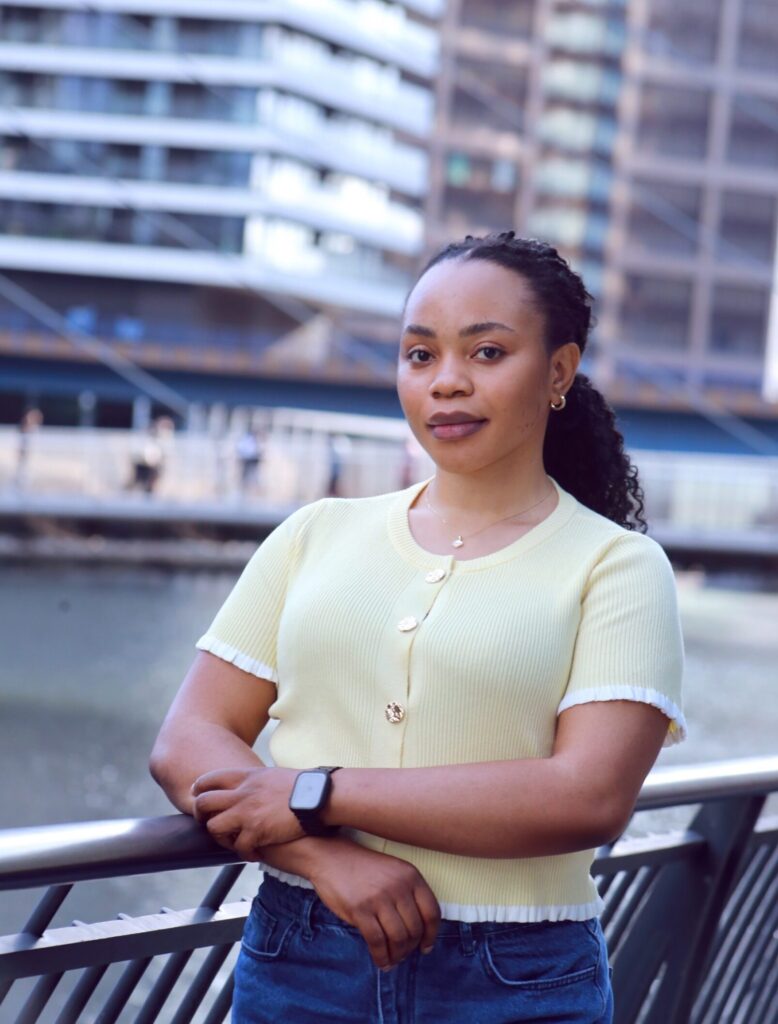
People’s Stories Project: We’ve been watching your work at Diaspora Africa for a while now. There are multiple layers to what you do. How would you describe yourself?
Amaka Obioji: I would say I’m multidisciplinary and working at the intersection of journalism, research, and literature. At the centre of it all is advocacy for underrepresented people and groups. So, through my work with Diaspora Africa, I use alternative media to tell more stories about migration. The whole idea is that I want to work with the lesser heard voices, so I build communities, and spaces for them to get feedback. That’s who I am.
PSP: Was it your idea to create the Diaspora Africa platform?
AO: It was. I used to be a reporter and journalist in Nigeria before I moved to England permanently, for my master’s in media management, and that was when it clicked. I realized that most conversations around migration … especially when it comes to black people … has a crisis framing and immigrants are not really reflected properly in the media. The way I imagined it is not the way it is now. I thought it was just going to be a very small blog.
PSP: When did you officially launch?
AO: In 2023. I brought in a friend, Chimee Adioha, who is doing his PhD research on Rhetoric and Composition at the University of California Irvine. Both of us came together and started it. I then got other friends who were journalists and writers, who pushed their stories on the platform, and it became like a passion project. It’s beyond storytelling. It has to do with data and incorporating other forms of journalistic work. We brought in research, analytical reports about migration policies …we even went into climate displacement. It blew up that way.
“Most conversations around migration … especially when it comes to black people … has a crisis framing “
PSP: Where is your biggest audience so far?
AO: At the moment I’m connecting more with the diaspora communities in the UK, because I live here, although when [Diaspora Africa] first started, it was more of a Nigerian audience, because I’m Nigerian, and I still have most of the audiences I had in the past. When we started doing diverse stories, a lot of people started connecting with the work. We did a story about Somali migrants in the UK, which was so brilliant. We had so many Somali communities connecting, who wanted to contribute as well.
PSP: Would you say that you take an investigative approach to the Diaspora Africa stories?
AO: We try to spotlight migration that diaspora communities face, and most of the time we come from a solutions journalism angle. We use evidence-based reporting that focuses on how people and communities respond to societal problems. We have a couple of stories from northern Nigeria, about how women are responding to climate displacement by bringing about their own community initiatives to fight climate change. We also have a category for policy analysis whereby we project a problem and try to see ways that it could be solved. It’s not fixed. It’s a form of diverse storytelling.
PSP: Does that then give you an opportunity to cover stories about intra-African migration based on documented patterns of movement?
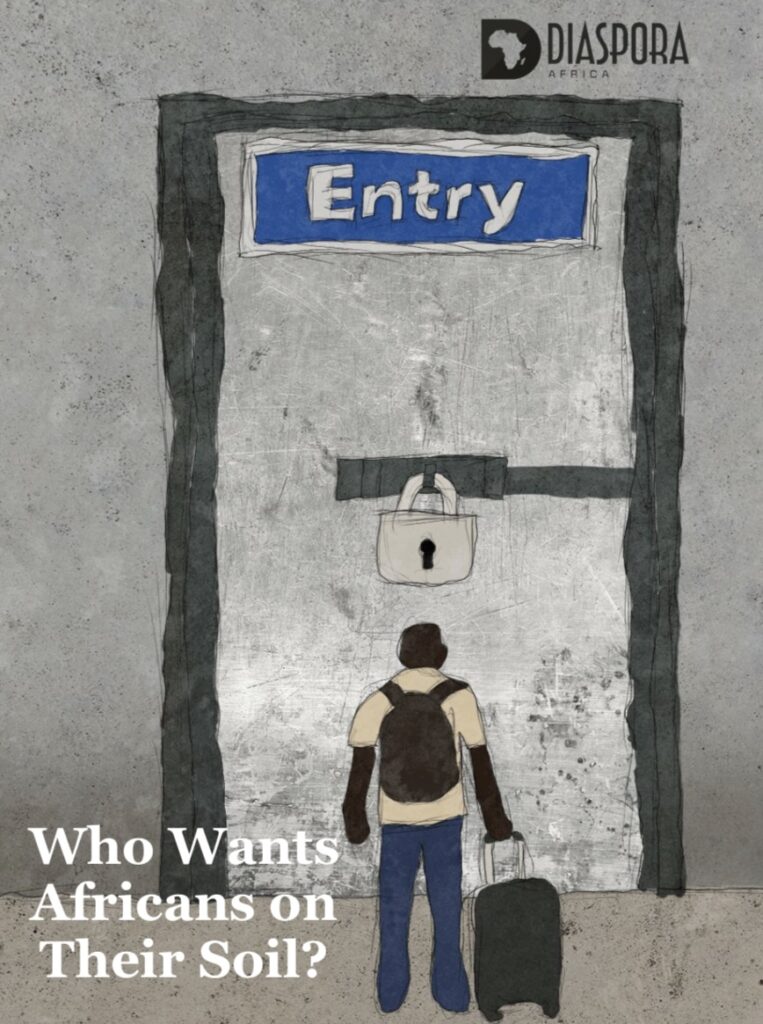
AO: Yes. The highest migration that happens in the world is within Africa. I think 80% of Africans move within the continent. It’s under reported in the media, as everything pinpoints Western migration and the crossing through the Mediterranean to get to Europe or elsewhere. With the Sudanese crisis that’s happening, a lot of people from Sudan are in Kenya and Somalia, and Somali’s are also moving across northern regions of Africa. The Western movements into Europe and America are mostly for economic migration, and to make that journey you must have a substantial amount of money, which means you’re also privileged. But, even with economic migration, we can see how migrants are scapegoated through conversations about immigrants taking jobs. It doesn’t reflect contributions, which are the things I’m trying to highlight, including who gets to control the media narrative on migration.
PSP: You’ve more recently added an e-magazine to the main platform. What type of additional stories are you covering?
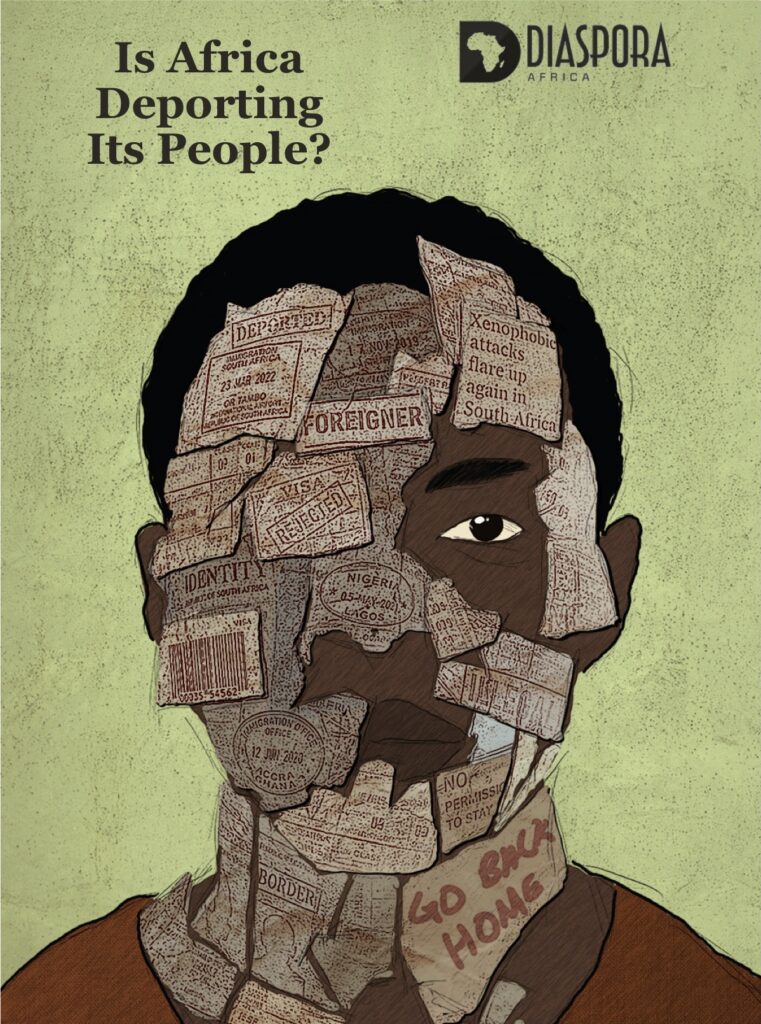
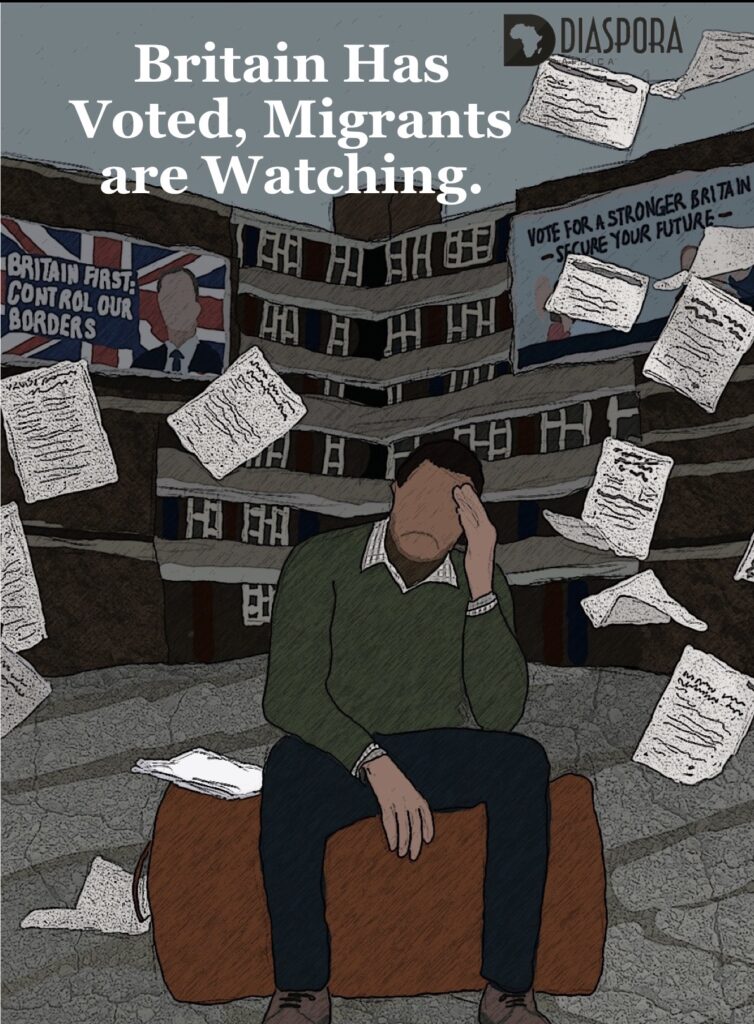
AO: So, we launched the magazine in March 2026 to build on the trends and patterns of what is happening around migration. In one issue, we did something about the xenophobic attacks in South Africa. We mapped out a timeline of how it started, the ideology behind it, and what’s happening now. Another issue focused on the Reform ideology and how this would shape the lives of migrants if [the party] came into full power in the next elections.
“The highest migration that happens in the world is within Africa”
PSP: It’s great that your themes are writer-led, which then creates a strong sense of stories as public resources for your readers.
A.O – Yes. We have this particular writer who lives in the US that shared with us how he was able to find community through religious gatherings, which is something that regular media wouldn’t tell. We also did a story about a Canadian WhatsApp group that helps connect Nigerian immigrants to jobs and houses. I’ve realized that it’s not just about the story. It’s also how ordinary people, and readers connect to these stories, because the Canadian group that we featured got so much response that we are getting a lot of emails from people asking to join the group.
PSP: Are there any migration stories that you feel you wouldn’t cover?
AO: I think the problem, at the moment, is that we are not covering enough stories, because with independent journalism, we fund it from our own pockets. There are so many stories that require more depth, and investigative reporting requires more seriousness, more travelling and more data collection.
PSP: What other impacts would more money have for Diaspora Africa?
AO: Well, journalists definitely need to get paid, but I also worry about offering them protection for doing investigative work. Journalists are at the forefront of being arrested, attacked or abused because migration stories are so political. Having a full newsroom with a legal team that is ready for any type of thing would help in telling greater stories.
PSP: You’re a published poet as well. How do you balance your creative and news-related journalistic work?
AO: To be honest, I don’t have a very structured way of doing this work, but I try to prioritise. I do most of the work at night, but the good thing about being a young person is that you have other young people who are also as passionate as you are. These are people who are also building their portfolios, so they support us with their stories as well. It’s a lot of work, but this is one thing I just love doing at the moment.