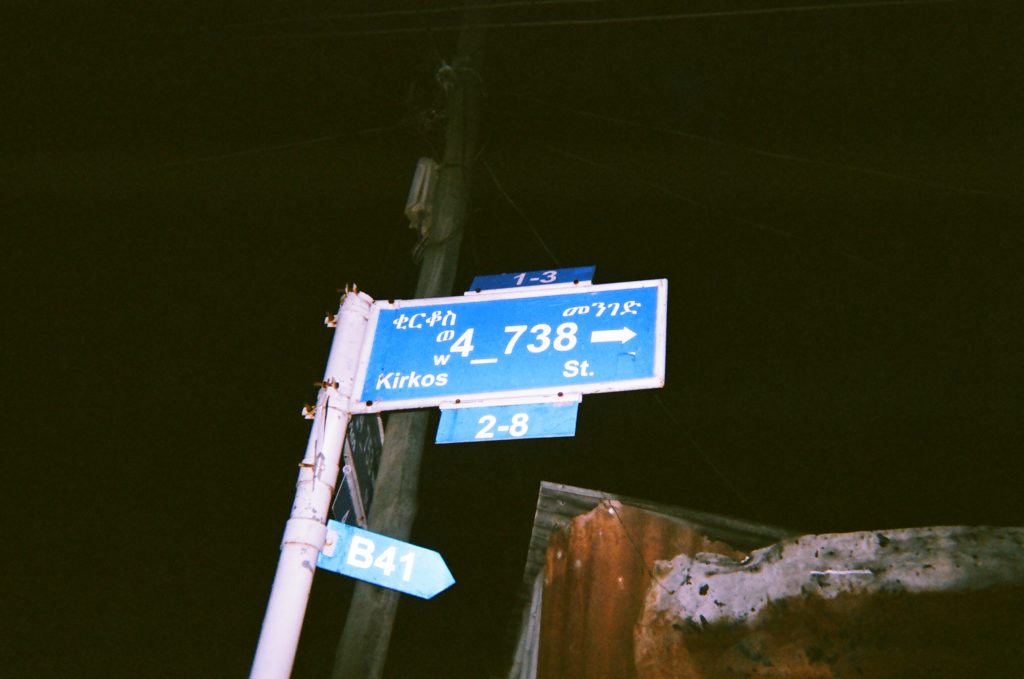
Diaspora is defined by Merriam Webster’s online dictionary as ‘the movement, migration, or scattering of a people away from an established or ancestral homeland.’
In a city like London, the idea of home is a tricky one to say the least. Amidst immigration, gentrification and rising rent prices, the number of families in temporary accommodation in England has steadily increased since 2010 and shows no signs of slowing down. Idealised notions of colour-blind cosmopolitanism amidst political tensions and increased hate-crime only remind us how apart we all are from each other, and though this may be where we lay our heads, it isn’t home. As a migrant, or the child of those who have migrated, it can be even harder to pin down just exactly what, and where home really is. On top of that, the music, language and food we consume at home may sometimes affect the careful balancing act of dual identities that many of us maintain when it clashes with our ‘outside’ identity built on assimilation and ‘blending in.’ Those belonging to the diaspora experience a tension between physically being in one place (where you live and work) but mentally being somewhere else (which you regularly think about and long for) (Brubaker 2005). This unexplainable longing for a home you never knew, is encouraged by the romanticised experiences of the ‘simple life’ that our parents, or their parents before them, lived in the seemingly idyllic ‘Motherland’.
One major influence in shaping identity is music, something that interests me both as a music journalist, but also as a diaspora kid raised on both the mellow sounds of Ethiopian singers, as well as listening to US rap, such as the barking timbres of DMX. Indeed, music is a constitutive part of culture and hence is important for individual and social identity formation. It can serve as a space and practice that binds group members together (Lidskog, 2016). As well as helping us understand ourselves, it can help us understand entire cultures, movements and empires.
‘Addis Ababa is truly a city of contrasts. It’s essentially a construction site, as self-contradicting and confusing as its people’
Growing up in London with a mum born and raised in Addis Ababa to Eritrean parents, I saw first-hand the power of music to reconnect and replicate the warm embrace of home, while we struggled to survive in a country that constantly others individuals or communities because of skin colour, accent or culture. Music was what made my mum close her eyes and smile on Sunday mornings. It was what helped me to practice my Amharic when singing along to Teddy Afro and Tamrat Desta, and if it made my mum happy, then it made me happy.
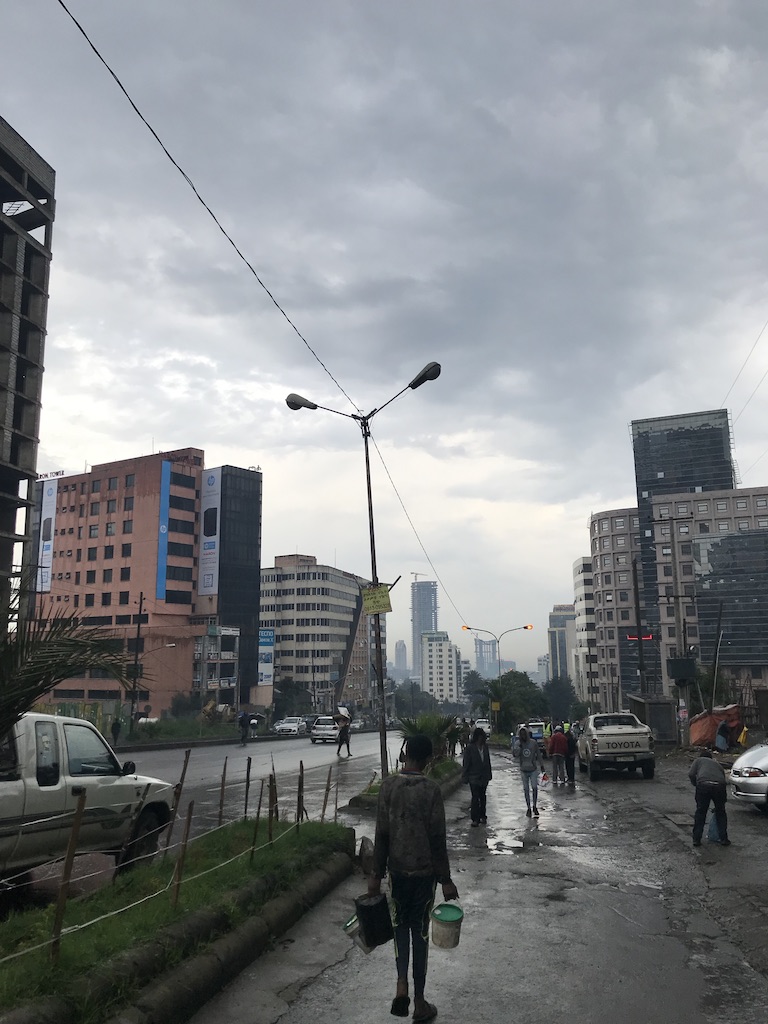
Returning to Ethiopia in the Summer of 2019, a decade after my last visit, carried with it a flurry of mixed emotions. As a twenty-one-year-old woman, I could see so clearly the difference from the Addis Ababa I had left behind in 2009, as well as the one that I had imagined at home in London. Addis Ababa is truly a city of contrasts. It’s essentially a construction site, as self-contradicting and confusing as its people. I returned to a sprawling mega-city, bubbling with the zeal that comes with new money that manifests in garish, over-the-top advertising attempting to appeal to the ever-growing Ethiopian middle class. A new train line almost symbolically cuts right through the city – from shanty towns to the Sheraton, carrying the pulsing masses of Addis in a vessel produced by Chinese construction and handiwork.
Previously, the city and its events had been culturally and lyrically narrated by Tezeta, Reggae and Jazz, all of which dominated the music scene, reflecting the country’s symbolic significance for Rastafarianism, as well as its most famous musical export, Ethio Jazz. But a change has come, and contemporary music mirrors the globalised contemporary life lived by a growing number of Ethiopians. Greater accessibility to the internet, as well as exported food, culture and media has influenced young Ethiopians to take matters into their own hands. The experimental and subversive nature of the youth, who have become more vocal than ever when it comes to expressing their political and social views amidst the waning power of the once-dominant Church, have remoulded and recreated the likes of Rock and Electronic music.
As much as foreign investment may spill into the country like Tella liquor on a Saturday night in the well-heeled Bole district, one staple remains in Ethiopia. Asteriye (Aster Aweke). A darling of the diaspora and the nation’s sweetheart, this much-loved singer is arguably the most famous face in the country and has been for the past forty years. A superstar and a diaspora heroine who moved back to Ethiopia in 1997 after over 15 years in the United States, Aster is not simply a star of Ethiopian music; she is Ethiopian music. Her high pitched, soothing voice is instantly recognisable. There wasn’t a café or a taxi that wasn’t playing her latest album Chewa (sweet) during my summer trip.
One thing that brings my grandmother, mother and I together is our collective love of Aster. She often felt like another auntie, singing lovelorn sonnets on a Sunday morning at home. Whenever I listen to her, I think of spiced tea and the family cat under my feet at home in Addis. I think of sitting on the veranda watching the rain hit the metal roof of the shed as neighbourhood children run back indoors screaming.
‘ … the likes of Addis-born DJ and EDM musician Rophnan has brought together traditional beats and melodies within the frame of global and experimental genres, bringing together both the ancestral and the unconventional’
What Aster signifies, for me and for other listeners of contemporary Ethiopian music, is home. She has recorded several versions of perhaps the best-known Ethiopian style of music, ‘Tezeta’, (which means nostalgia) and which stands out in Ethiopian musical repertoire above all others. Tezeta is essentially the Amharic version of the Blues, often concerned with lost love or yearning, and although other names such as Mahmoud Ahmed and Asnaketch Worku are mentioned in conversations around Ethiopian music, none have resonated so strongly with second and third generation diaspora as Aster. Her longevity and appeal are unmatched, with both the young and the old, the ones that have never stepped foot in Ethiopia and the ones that have never left it. On September 11th, as Ethiopia entered 2012, Aster headlined the Sheraton Hotel’s annual New Year’s Eve Party. Co-headlining with newcomers Rahel Getu and Wendi Mak, she reminded the crowd why she has remained the nation’s sweetheart for so long.
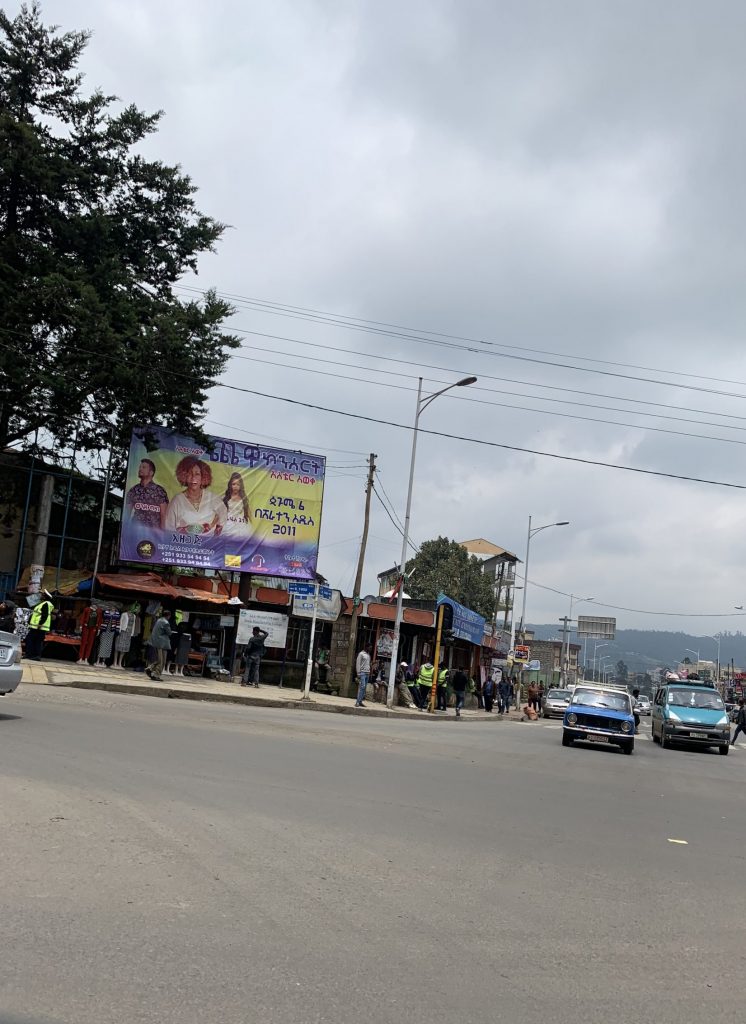
Alongside Aster, the likes of Addis-born DJ and EDM musician Rophnan has brought together traditional beats and melodies within the frame of global and experimental genres, bringing together both the ancestral and the unconventional. In his breakout track, Get To Work, he remixes a distinctly Ethiopian Gurage beat, referring to the high tone and heavy percussion. Elsewhere, Addis Ababa based quintet Jano became Ethiopia’s first mainstream rock band, winning multiple awards.
In fact, flicking through music video segments from national broadcasters (when the power supply isn’t disrupted) the linguistic and ethnic diversity of Ethiopia is finally being reflected in the musical output, where mainstream media has overrepresented the Amharic language and culture in a country where the Amhara tribe are in fact a minority. Now, Oromo and Gurage songs with colourful traditional attire are broadcast alongside Amharic pop.
The nostalgia for a ‘home you’ve never known’ induced through music is something that London singer Raheaven knows all too well. She was born to Eritrean musician parents who sung in a London band to raise money for the Eritrean Independence effort. They were part of a liberation movement that was supporting a guerrilla war against larger, richer and bigger Ethiopia, and which was dependant on remittances from the diaspora as well as donations from sympathisers. This struggle for independence spawned a whole genre of liberation anthems, of stories about love, war, immigration and the joy of ultimately achieving an independent nation state. Infusing her identity into her music by taking elements from Eritrean videography, Raheaven finds a home in the overlap between Britney Spears and Elsa Kidane. From ‘the outside’ as a young girl growing up in the noughties to the ‘inside’ as the daughter of liberation singers, music has been a constant in her formation and expression of cultural identity amidst immigration and displacement.
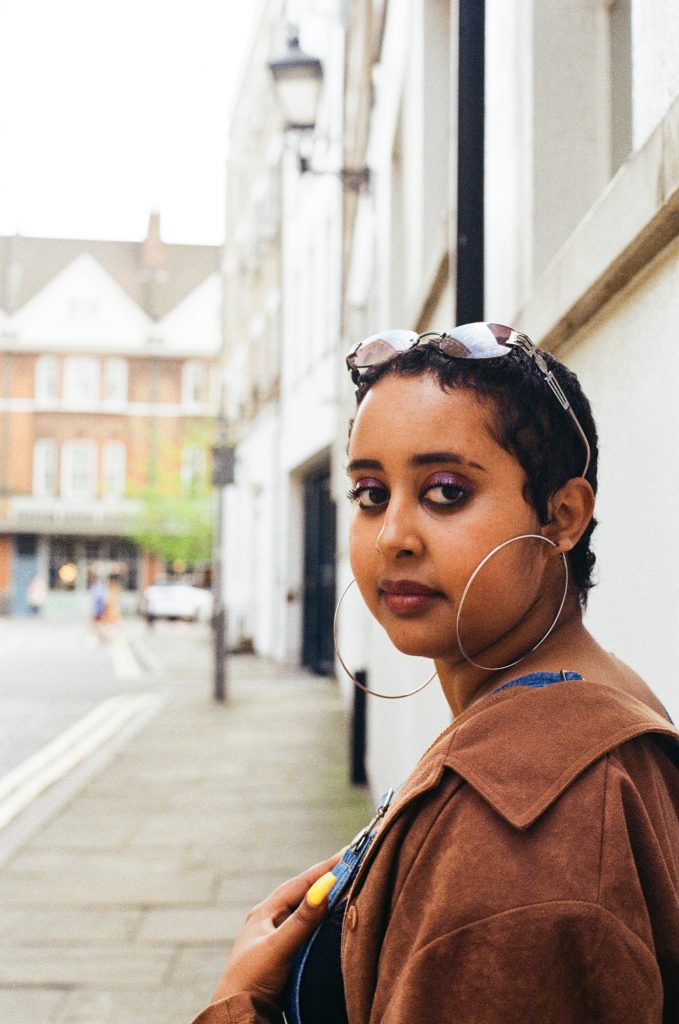
Ultimately, discussions of home come hand-in-hand with ideas around identity and what shapes it. After all, how can one find the comforting embrace of home if you don’t know what home is? When the home that you have envisioned and built your identity on changes and modernises, what is to become of the cultural identity? Is it rooted in the traditional blues of Tezeta and a longing for the seemingly “better” old ways, or does it look forward and attempt to fuse the familiar and the unfamiliar?
If music shapes our identities – and music is changing – what becomes of our sense of self?
References
- Ilana Webster-Kogen (2013) Engendering homeland: migration, diaspora and feminism in Ethiopian music, Journal of African Cultural Studies, 25:2, 183-196, DOI: 10.1080/13696815.2013.793160
- Rolf Lidskog (2016), The role of music in ethnic identity formation in diaspora: a research review. International Social Science Journal, 66: 23-38.