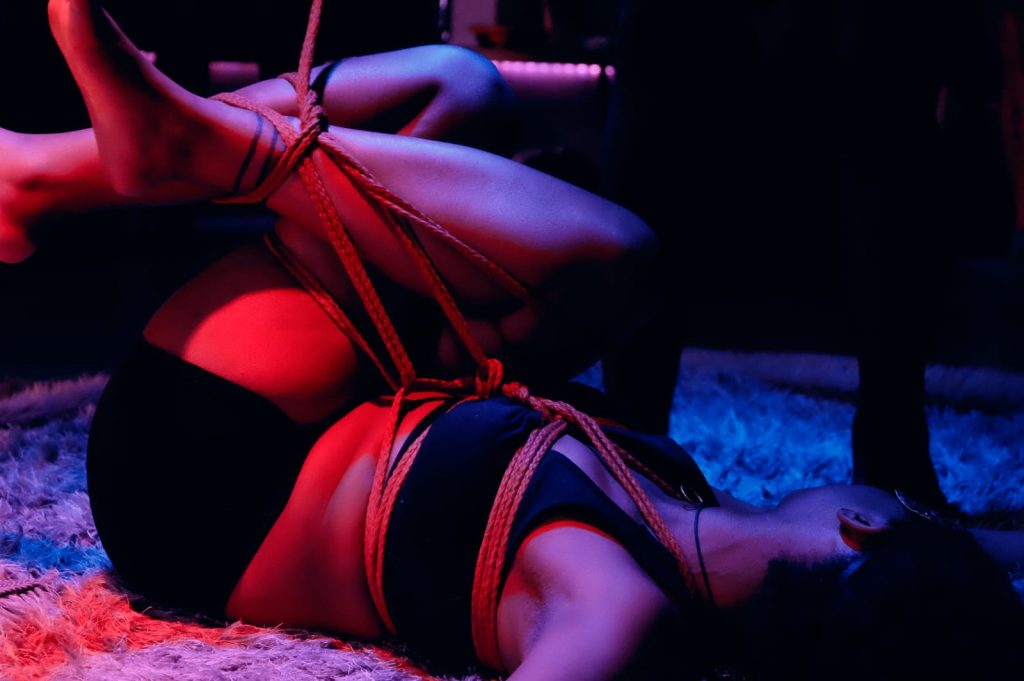
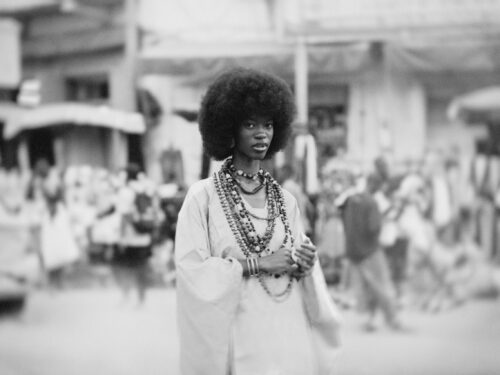
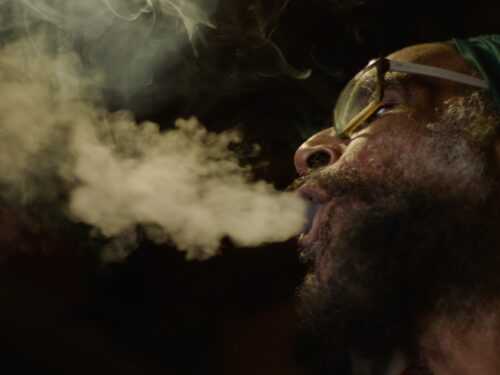
I’m inviting you to turn your mind’s eye to images that you may have seen on social media of people enjoying kink. I’m interested in how images shared by Black women; people who are differently abled; fat people; queer people; and people with trans and/or gender diverse experiences enjoying kink are symbolic of political resistance – intentionally and unintentionally. Why our images? Because, we aren’t often encouraged to embrace or explore our sexualities, pleasure and desires. Why social media? It has social influence. It plays with affect and effect.
Aesthetics are the artistic and spiritual characteristics of an individual, collective or object. How we experience and understand aesthetics, kink and resistance involve complex, expansive and personal processes.
I understand kink, which includes BDSM – bondage and discipline/dominance, submission/sadomasochism and masochism – to be a variety of consensual fetishes, preferences, lifestyles, identities and desires. It’s not always sexual. It’s often misunderstood and misrepresented. The symbols, performances, props and costumes that we borrow from the world to play with, have become some of the aesthetics of kink and they are also symbolic of oppressive power. Think of whips, chains, bondage and slapping or humiliation. On one hand they’ve illuminated the visibility of kink and are part of the reasons why it is perceived as deviant and reduced to violence. On the other hand, although they’re typically used to police and oppress people, with our consent they become sources of pleasure, freedoms and negotiated power. This is what their aesthetics represent to us.
I use José Esteban Muñoz’s definition of queerness to understand political resistance. It’s “a longing that propels us onwards, beyond romances of the negative […] a doing for and toward the future [and freedom].” Resistance isn’t always forceful, loud or obvious. We resist in different ways. We resist on picket lines. With poetry and language, by taking up exclusionary spaces in these bodies, with the identities we claim and those we reject. Through pleasure, healing, loving, learning, unlearning and communing. We can resist by sharing on and off social media. All of these lend themselves to the aesthetics of resistance.
I thought through how the visual elements of kink symbolise resistance with three women; @nakashwa_thewildwoman, a photographer from Namibia, and @palesa_mols and @etanapatriot – both of them muses from South Africa and Zimbabwe respectively. In some way we’ve collectively been criticized and taught that kink is unAfrican, anti-feminist or unnatural, although using our bodies to resist dominance has always been part of African decolonial projects. Claiming our bodies is feminist. And, difference is natural. Via social media we use our bodies to craft and share our personal narratives of kink while we challenge the aesthetics of oppressive power.
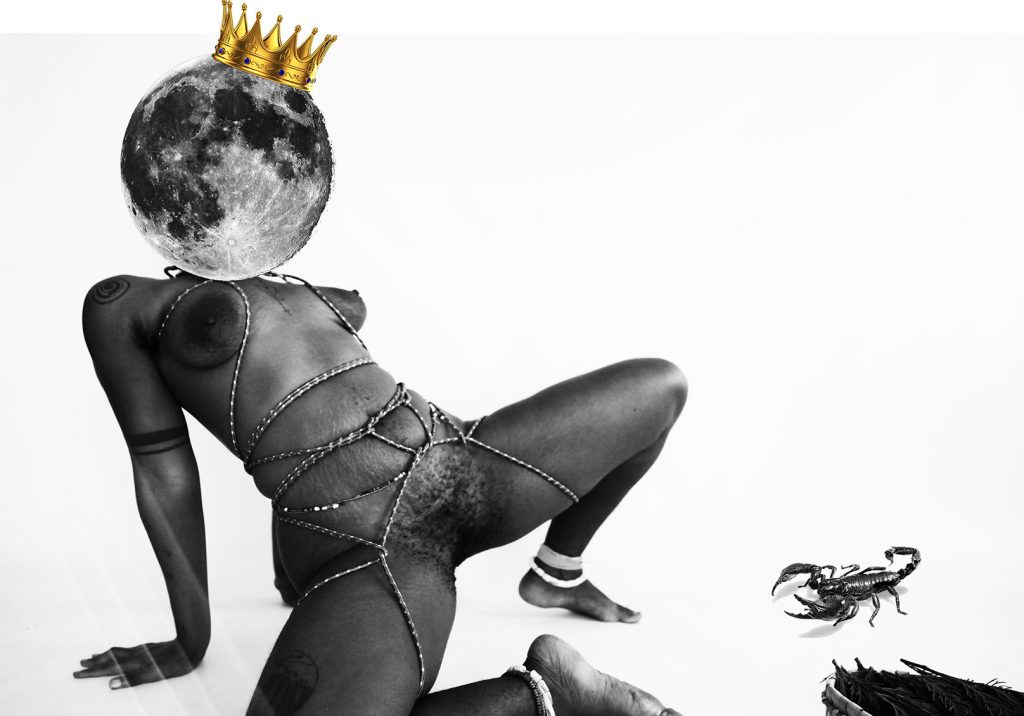
Why do you share pictures of yourself enjoying kink. What are you communicating?
nakashwa_thewildwoman: Freedom […] Kink is limitless […] It is a space for healing […] It is a space to get to know yourself […] I want you to be as free as I want me to be.
etanapatriot: I share because […] I’d like other people to see that they aren’t [weird or] the only one […] It’s important to represent black queer kink as it is and not what it’s portrayed as in the media […] I share to show people the soft and intimate [sides].
palesa_mols: Kink is about smashing respectability politics […] The narrative that we’re given is that it’s the vulnerable woman who doesn’t have a choice who ends up in these situations […] [I’m] saying we are here. I’m a “respectable woman” and I like to be spanked […] We aren’t outliers.
Privately and publicly engaging with and enjoying the complexities of our sexualities and kink which live on borders of contradictions requires you to give yourself the freedom to define your own brand of pleasure and vulnerability. Pleasure and vulnerability are political. When we play with performances, props and costumes that are aesthetics of oppression we defuse and reinvent their power for our pleasure, freedom and vulnerability. Likewise, we communicate how we negotiate power and pleasure.
Why is it important for you to claim your body as a site of pleasure?
nakashwa_thewildwoman: Using my own body isn’t a question of why, it’s an important portal that I have for diving deeper […] it helps me get closer to freedom.
etanapatriot: I want [people] to walk away thinking “this is what kink looks and feels like to a Black queer woman.” […] Using my body is a form of healing […] I feel empowered in my own story [when I] tell it myself […] I feel seen.
palesa_mols: I want people to see me claiming my body […] It’s an act of rebellion […] It makes people uncomfortable when they see a Black woman claiming her body.
Consensual kink gives us the freedom to disrupt how our bodies, sexualities and pleasure are policed. Meanings and identities are engraved on our bodies before we’re born. Like art they speak. Some bodies are celebrated. Some bodies are made disposable and oppressed with the performances, props and costumes that we play with. Poor people; differently abled people, those of us who aren’t white, male, cisgendered, slim/muscular, or heterosexual are disrespected. Our desirability and pleasures are policed. Resistance is deciding what we do with our bodies and how we heal them with pleasure and negotiated power. Resistance is centering our bodies – the ones that are made disposable – as sites of pleasure. It’s how we reimagine, rescript and embody our right to autonomy. We’re appreciating our desirability and enjoying them. And doing so publicly is a declaration of our understanding of the power of our bodies and their capacity to feel free as well as to dismantle internalised and societal oppressions.
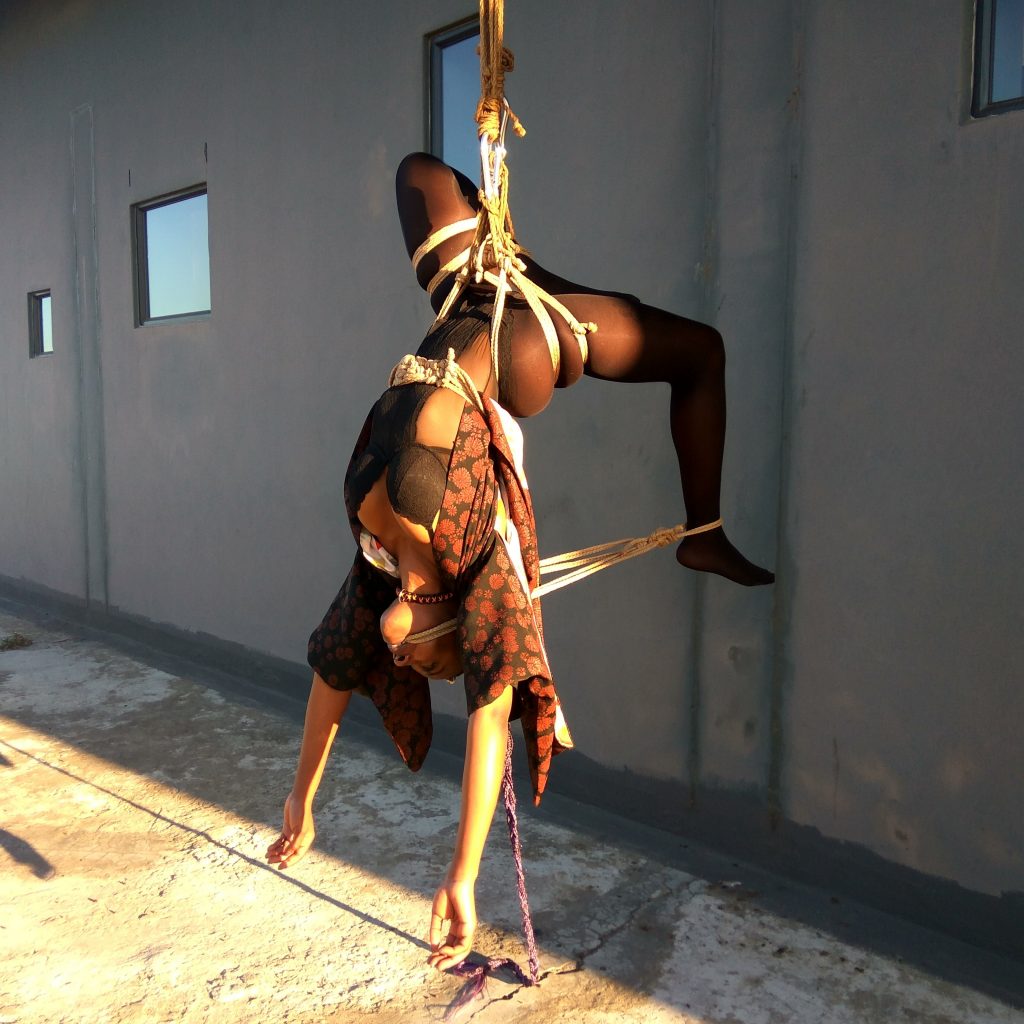
How does seeing positive diverse representations of kink make you feel?
nakashwa_thewildwoman: [It] excites me […] [to see] so many beautiful bodies […] It’s about time!
etanapatriot: I love blackness even more when I see us doing the stuff that’s ‘taboo’. I love to see black people living their best lives. Seeing that gives me joy and pleasure.
palesa_mols: It’s a powerful symbol […] by being visible we are inviting each other into conversations. The conversations aren’t always spoken. Sometimes […] it’s just “I see you. I see what you’re doing.”
Kink is misrepresented through classism, ableism, violence, racism, homophobia, sexism, transphobia and the erasure of gender diverse and fat people. These discriminations flow into kink communities. Both manifest from societal discriminatory systems of oppressions that deny and police freedoms, pleasures, sexualities and desirability, which forces people into secrecy. The art of sharing positive and diverse representations of kink communicates its magical and freeing potentialities. It shows us how experiences that we’re taught to shy away from can be pleasurable and empowering. It challenges our relationships with the aesthetics of oppressive power and how we defuse it. It makes us feel seen.
I understand the aesthetics of kink as resistance because when visuals, kink, social media and resistance lean in to each other we get to explore how power can be negotiated; how symbols, performances and props that are typically used to oppress people can be expressions of our freedom to enjoy our bodies and define pleasure for ourselves; and how the aesthetics of disrupting power are complex, expansive and personal.
I advocate for diversity yet the scope of representation here is narrow. It’s not from a lack of trying. As I said, kink is stigmatized, and some people are forced to enjoy it secretly. So, we struggle to find each other.