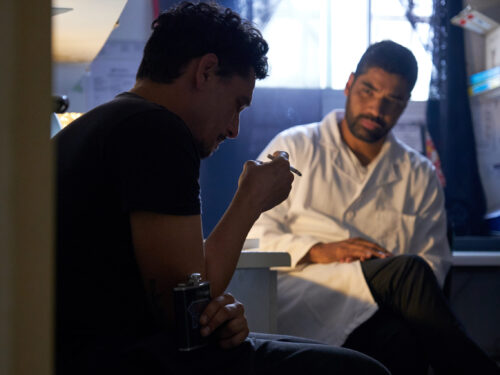
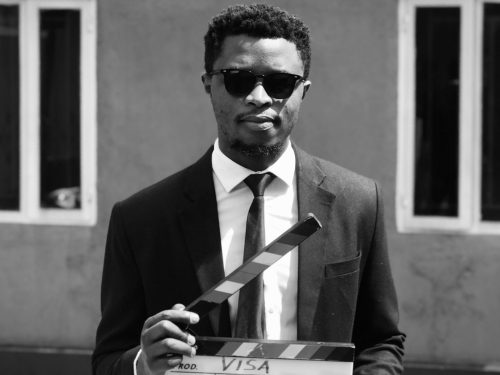
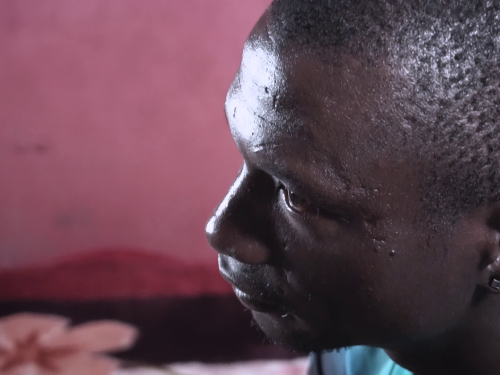
In the summer of 2019, Nowness reached out to filmmaker-photographer Curtis Essel, keen to produce his experimental film, Allumuah. It was, in Curtis’s words ‘serendipitous’ in that the brief he received from the digital video channel, aligned with ‘everything and everyone’ involved in the film so far.
The back story to the resulting 4 minutes and 23 seconds of what went on to gain a Staff Pick Award at BlackStar Film Festival, is that Curtis had originally intended to produce a short doc on black professors in the UK – or the lack of them.
In 2018 he interviewed Professor Anthony .G. Reddie – Director of the Oxford Centre for Religion and Culture – who’d spoken about the concept of pedagogy.
The film didn’t materialise, but the research elements stayed in the back of Curtis’s mind.
Curtis:- ‘The concept for Allumuah was slightly different to begin with, but upon filming, my close friend Dami Khadijah discussed with me her concept of different languages being incorporated, and why we begin to piece together the film further and rearrange the order of particular scenes into what you see today. It then became evident to me that this was pedagogy being fulfilled.
By late 2018, Curtis’s grandmother had passed, so when Nowness approached him, so many creative and artistic elements fell into place as he honoured her memory.
With his film being part of this year’s No Direct Flight Nairobi season, People’s Stories Project had a casual Q&A with the artist in the lead up to the online screening.
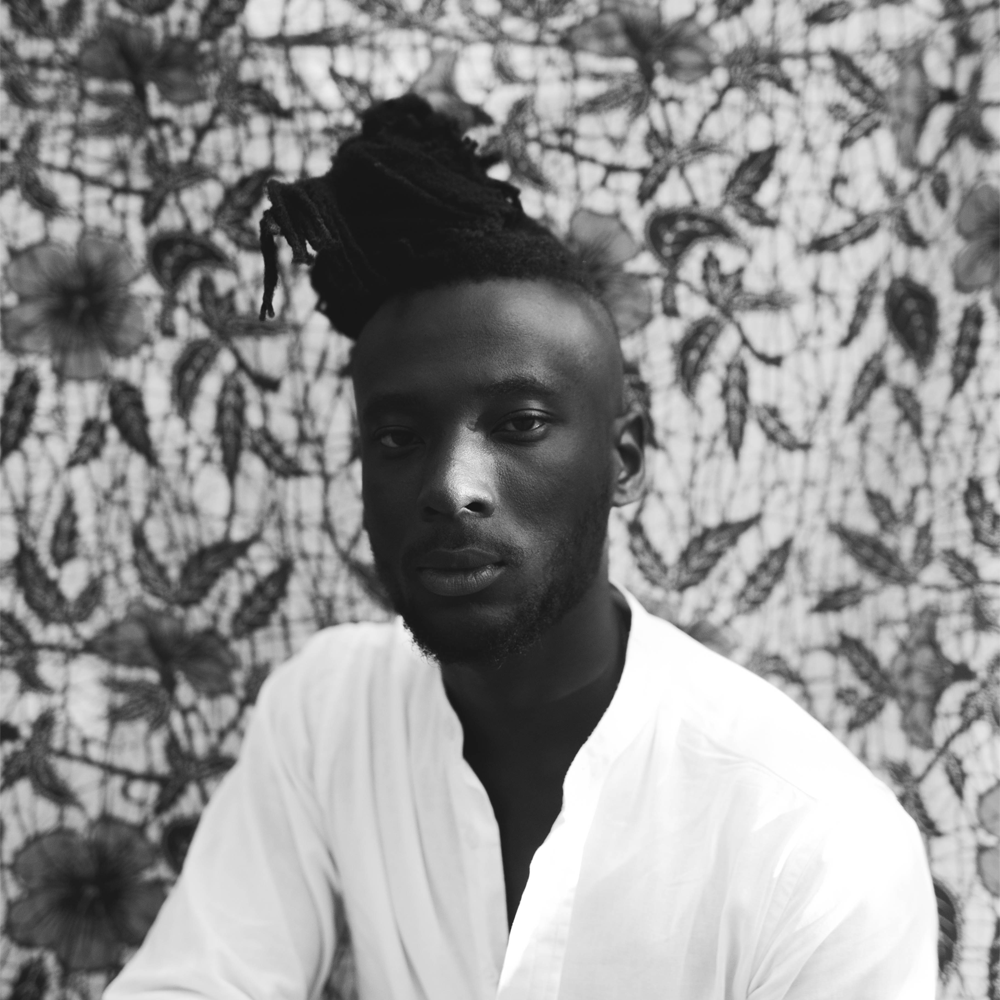
The framing is beautiful throughout Allumuah. Do you tend to visualise and sketch or are there existing images or types of cinematography that influence your aesthetics?
Thank you. While I was at University, I began to delve into the world of film photography where I shamefully spent most of my student loan on buying and developing different rolls of film. Every time the shutter was pressed, I knew it had to be meaningful – that’s where I began to home in on mastering framing and I’m still on that journey, making every frame the best it can be.
Visual references from Felicia Abban, James Barnor, Samuel Fosso, and many more African artists heavily informed the overall aesthetic of this visual. Paying homage to these artists was essential when exploring themes of connectivity and communication passed down between artists over the years.
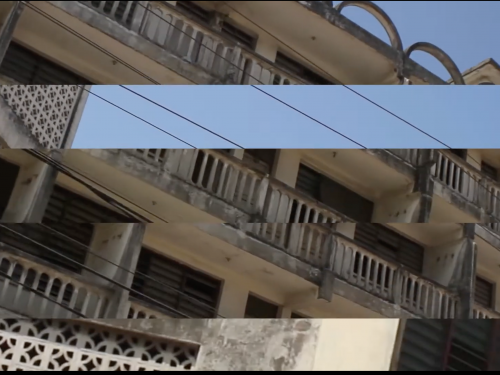
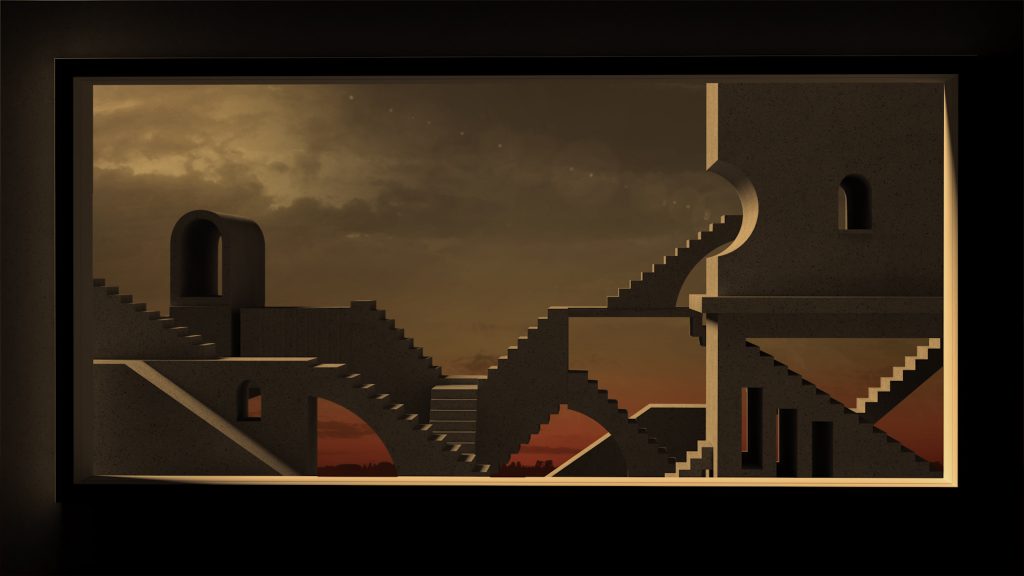
There’s a balance between poetry, language and maybe even mathematics in some of the film’s images. One shot (1:48) made me think of the Dutch graphic artist MC Escher’s designs. Was that intentional?
So glad that you caught that! The purpose of this film was to celebrate the internet as a place of inspiration, collaboration and connection – a tool that has facilitated the evolution of this explosion of digitally-led creativity. Therefore, Kojo Ampo’s [a motion designer based in Ghana] animations were a perfect fit. Kojo and I discussed my academic background as a Mathematics & Finance graduate and felt it was important to infuse this somehow – so we used MC Escher’s designs as a reference for this particular shot. His designs were used as a form of transportation, taking the audience on a journey into another realm as we explore and celebrate the different themes mentioned above.
It seems that there are so many interesting reference points and codes within the film. It’s a piece that deserves to be watched many times. Is there a central message that runs through it?
As this was such a sentimental project, I wanted to bring my close friend Dami Khadijah on board who is a Creative Strategist in the commercial world and has always been a gifted wordsmith, particularly known for speaking in parables to convey her message, even during conversation. She always wanted to do a project where the entire visual film was spoken and based around African proverbs. She’d done quite some research into languages and thought this was the perfect opportunity to depict this wider message.
The use of non-English narration was intentional, so it was clear who our message was to and to avoid the use of what many understand to be ‘plain language’. Proverbs, parables, and fables are an ancient form of storytelling across Africa and they are still very much in use today in the combination of these and the method and practice of teaching. We honoured and paid homage to these traditions.
Which locations did you shoot in? Were they all Ghana-based?
Everything was captured in Ghana. It was paramount for me to be back home as I had been going back and forth over the course of two years for the first time since I was 18. From filming in my late grandmother’s home in Kaneshie to the shores on Jamestown Beach, we maintained the authenticity of a place I also call home.
How easy was it to find your actors? What have been any of the reactions to some of the younger ones who’ve seen themselves on screen?
Most of the people cast were either family or friends, which adds to the sentiment of the film. They’ve been amazed. Every time I speak with them, they ask me where and when the film is showing next.
Allumuah and another of your films, Agya, are influenced by, or specifically focus on familiar family members. What does family mean to you? Is it a theme that runs through your work – perhaps even in a third film you directed – Almost an Adult?
Most definitely. Family is the cornerstone with many of my films. The intergenerational relationships are what I’m fascinated by the most. Focussing mainly on how lessons, stories and traditions are held and passed on over the centuries is something I want to honour through the lens.
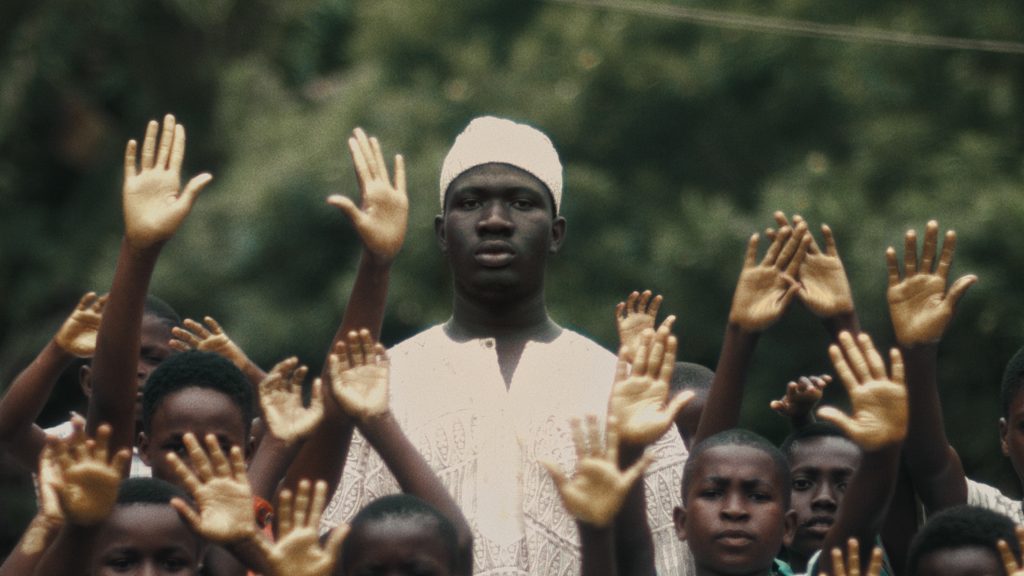
What would you say is the biggest lesson your grandmother taught you?
My grandmother always stressed the importance of knowing where you come from. The film intends to challenge Africans across the world to reflect on their own lives and revise what ‘they think they know’ about their heritage and subsequently about their True Self and Identity. Proverbs from multiple African languages, including cultural references are incorporated in the film to expound on the significance of our commonalities in values and perceptions, which fuels what we envisage as visual art-forms.
ALLUMUAH simply put is a love letter to all Africans around the globe, championing the idea of unity for Africa’s dignity, progress, and prosperity.
What are you working on for this year and next?
I built Allumuah Roots, a library and learning centre, back in October 2019 where my grandma lived in Kaneshie in Accra, Ghana which is still on-going. We have over 60 children currently who attend regularly for lessons and extracurricular activities. The idea is to provide creative opportunities for young kids living in the community to empower them to tell their own stories through creative ways and to subsequently build on that
Other than this, our production company 33BOUND, built with my childhood friend Daniel Aremu is growing and we are constantly building, working with new directors, and taking on new projects while developing others of our own.
This conversation comes from an editorial partnership between People’s Stories Project (PSP) and No Direct Flight,Nairobi.
NDF 2020 runs until 29th November 2020 and is produced collaboratively with Kenyan partners African Digital Heritage, Go Sheng Foundation,Down River Road,Studio Tisa, and Monday Movie Nights with Mugambi Nthiga.
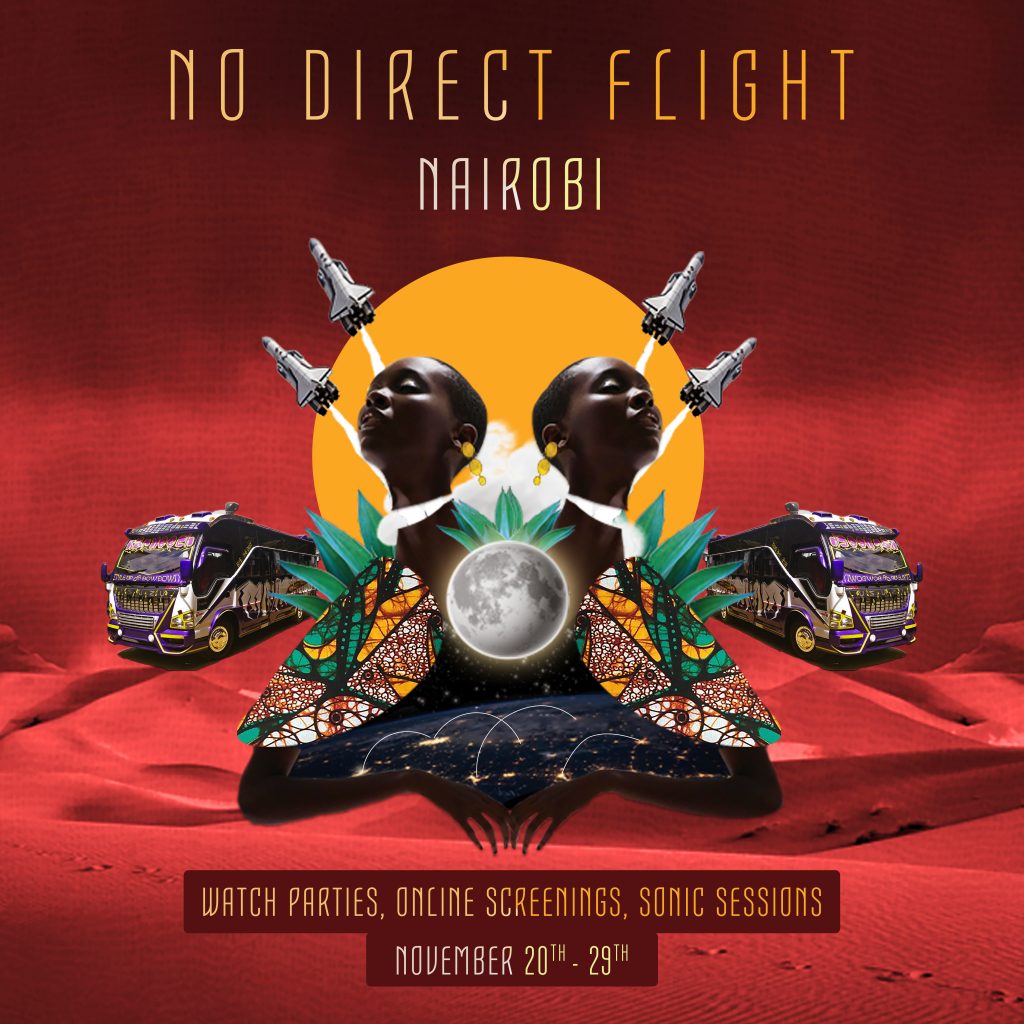
Check here for ticket details…