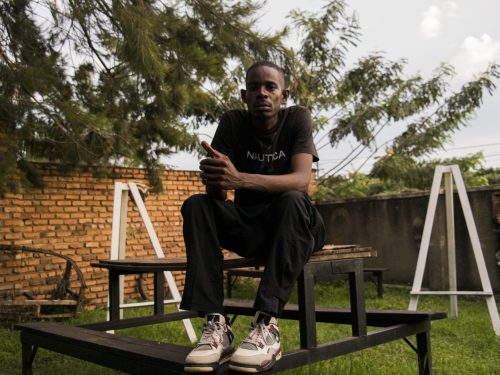
Interview: Nana Ocran (PSP) with all images courtesy of Kemi Taiwo.
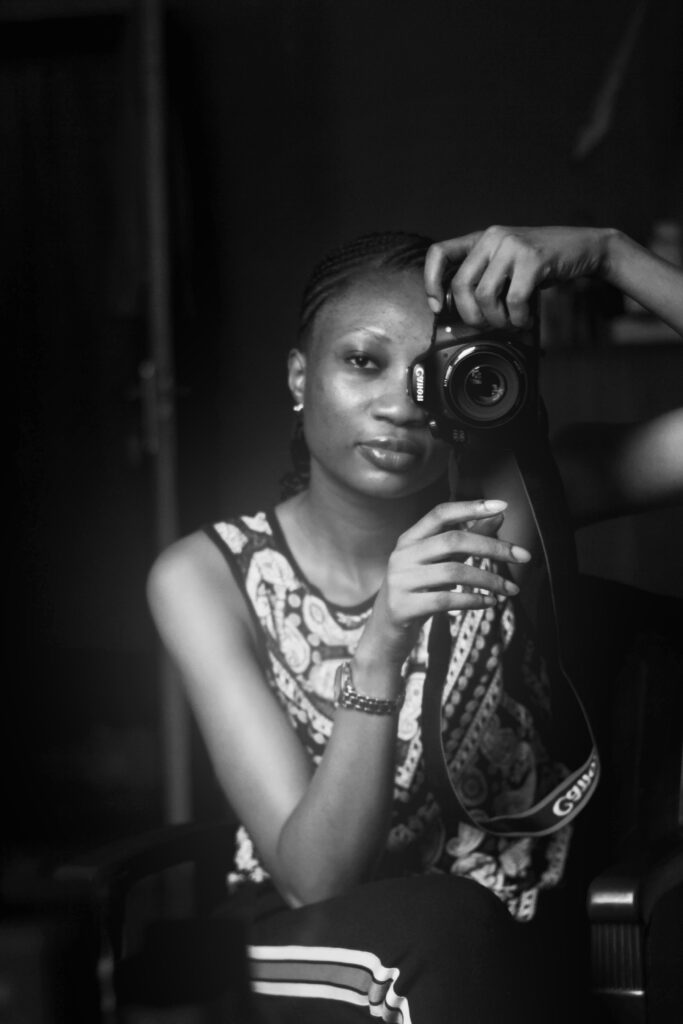
People’s Stories Project: How long have you been practicing as a photographer?
Kemi Taiwo: My interest started after high school. I think I was 16 or there about. I can’t talk about photography without mentioning Instagram. My brother was telling me about it. He opened an account for me, and I started seeing some interesting photography. I hadn’t been anywhere before, so it was like a window into another world. I first started shooting landscapes and nature, but as time went on, I started getting interested in portrait photography, especially black and white.
PSP: Is there something in your character or the way you engage with people that’s more suited to portraiture?
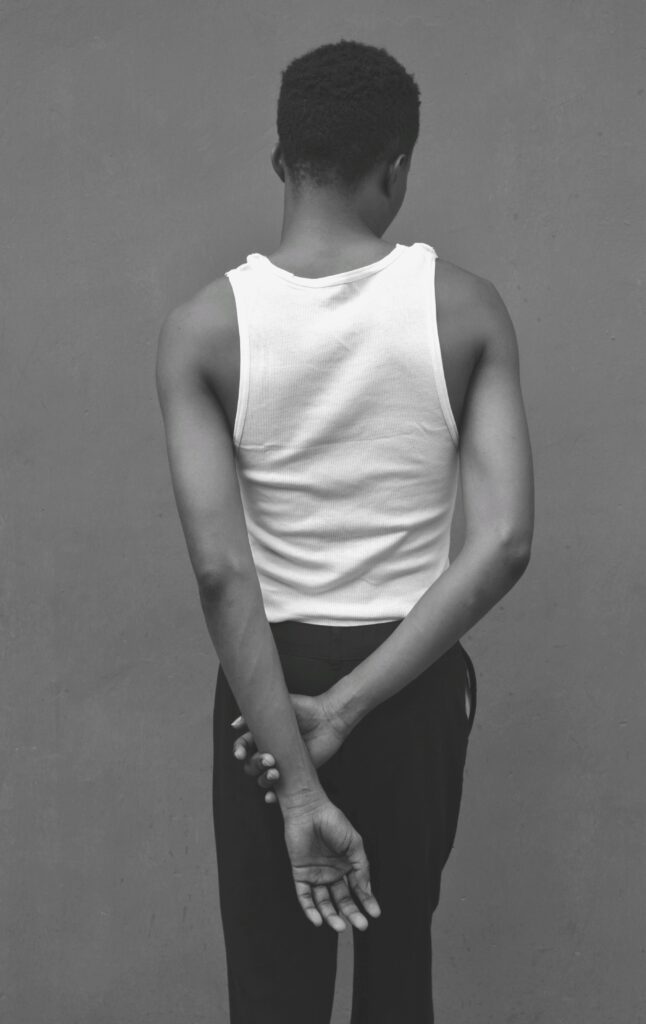
KT: I don’t have much experience with shooting people that I don’t know. I’ve been shooting friends; sometimes my brother’s friends, so I make sure he is around, so that there’s a level of comfort that they have around me. I allow them to be themselves because in just one moment you can capture something intimate and quiet that they themselves are not even aware of.
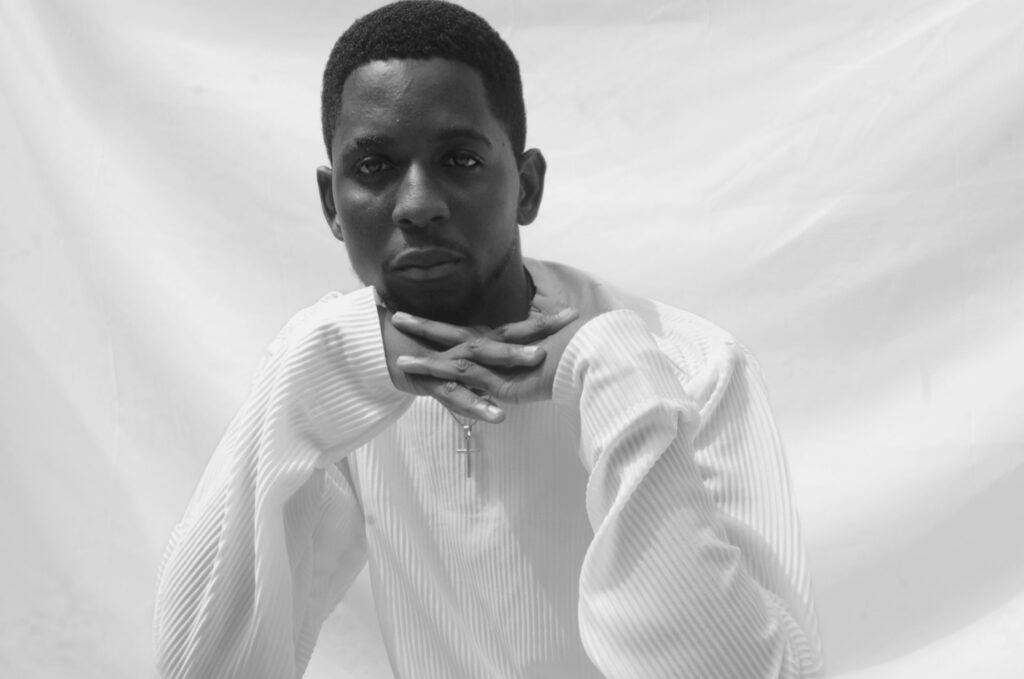
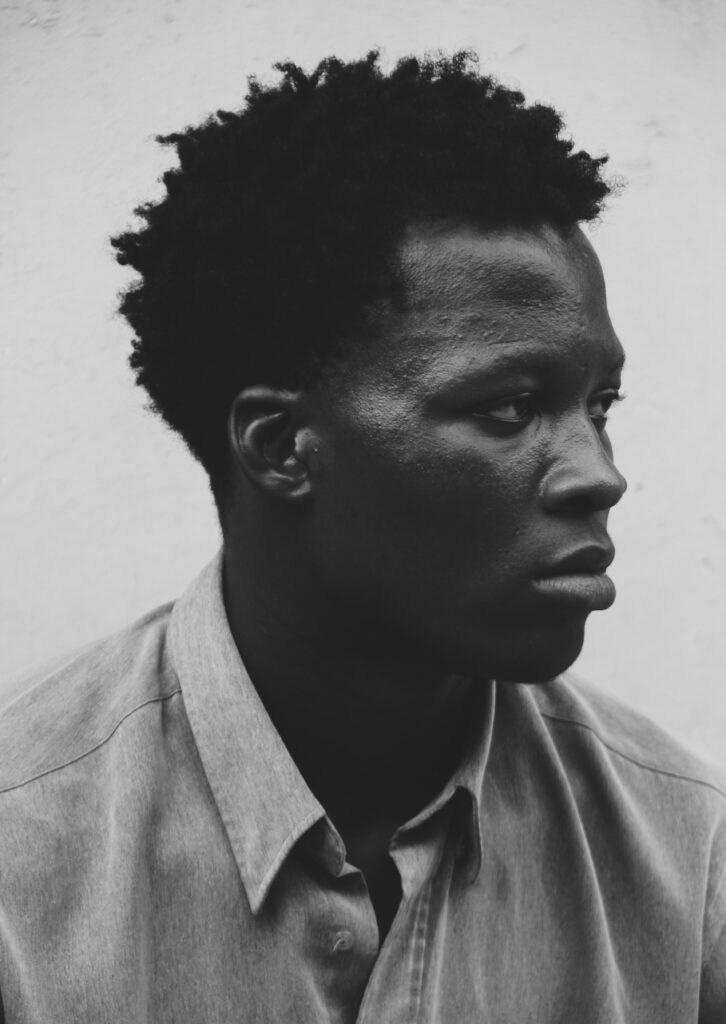
PSP: While looking at your portfolio, the word ‘nostalgia’ came up. Does this have a connection with your preference for black and white photography?
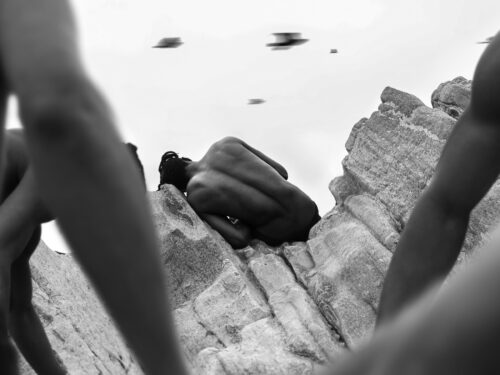
KT: Most of the time, I don’t approach my pictures to look nostalgic, but since they are in black and white, when someone is looking at them, I want them to remember something from the past.
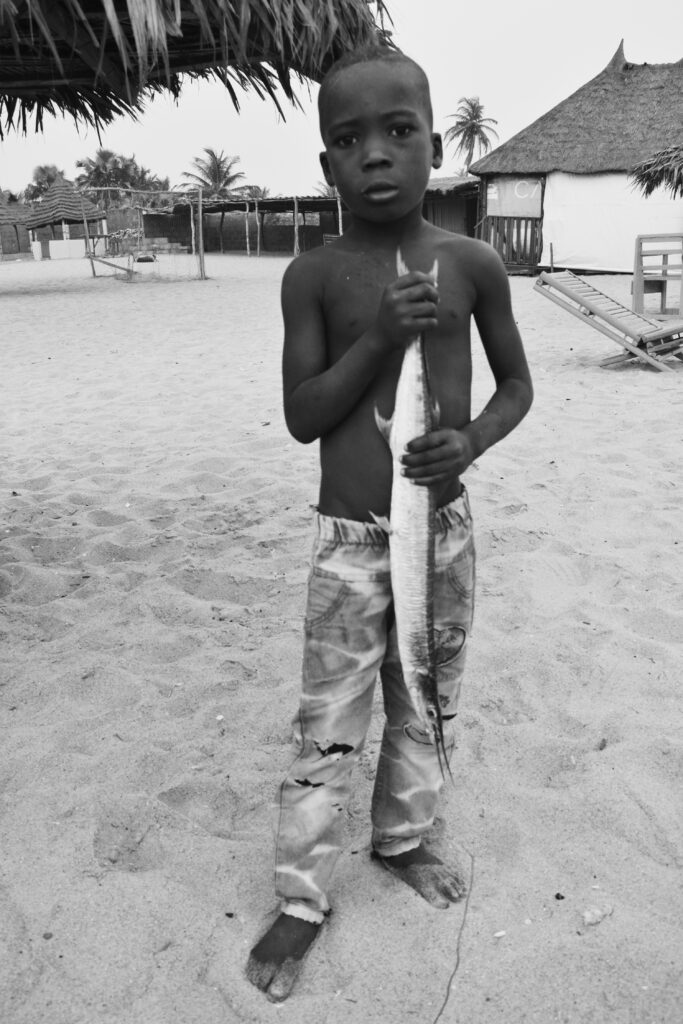
PSP: Some of your photography also takes on documentary storytelling. Did you develop a relationship with some of the young people from your series of beach shots. Were they comfortable in front of your lens?
KT: They looked like they were told what to do, but on that day, I didn’t interact with any of the people on the beach except the one boy holding a fish. We were on a work trip to Badagry. It was so quiet. I was watching the children from afar and I saw them trying to get a catch, but they didn’t get anything. I just took the picture.
PSP: Do you do you feel you enjoy the editing process as much as the making of your images, because there’s different types of intimacy in both.
KT: Yeah, yeah. When I’m taking a picture, I’m always happy and looking forward to getting more than I expect, and then I’ll edit much later, which is even better because I’m more at ease. I’m not rushing through it, and sometimes, something more interesting comes up. I’m always looking forward to those moments.
PSP: … And are you mainly self-taught?
KT: At the beginning, I was just shooting with my phone, but I had the opportunity to learn the basics of photography at a women’s development centre in Lagos. I just wanted to get a certificate; something that satisfied me that okay, I went through the classes.
PSP: You’ve said that your plan now is to be more intentional about your work. What does that currently mean, because you’ve mentioned that you’ve got a nine to five job outside of photography.
KT: My dream is to have photography as a full-time career, and I know it takes a lot of effort. Talent is not enough. You have to put yourself out there. I remember in the early stage of my photography, I had an exhibition in Abuja. I couldn’t attend, but I was excited. It was like a testament that I could actually do this as a career. Another one that is memorable for me is not an exhibition, but a feature in Photo Vogue.
PSP: With Instagram as your initial influential tool, it seems natural that you’d choose photography to creatively express yourself. Are there other mediums that attract you, or other artistic dreams that you have?
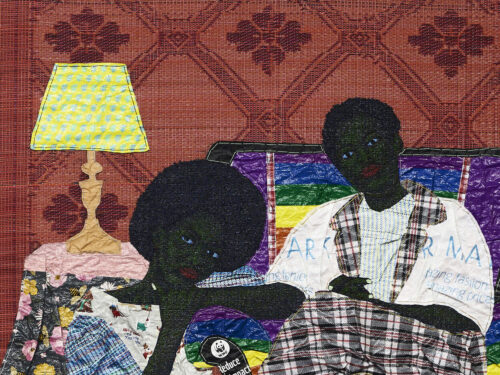
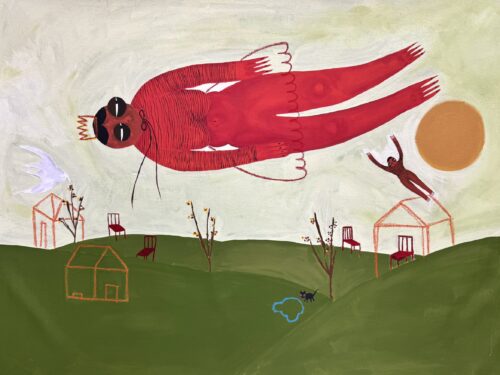
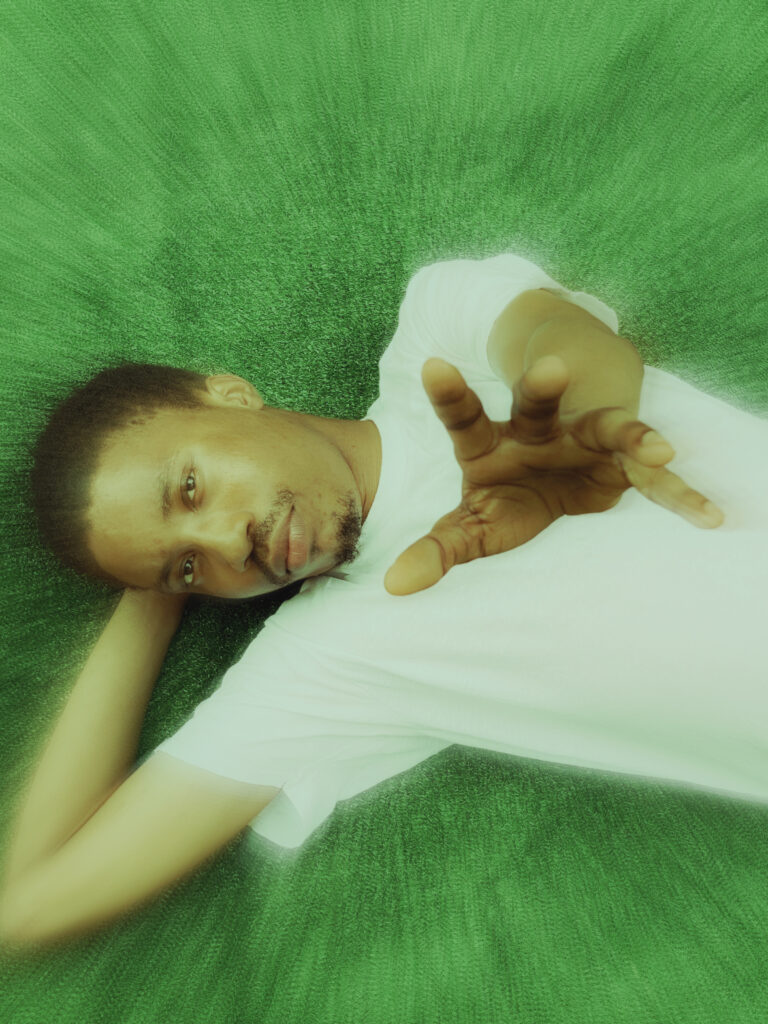
KT: Last year, I started exploring digital art using my original photography with digital elements. I wanted to experiment with what they could be. I’m still doing that, but I’m also looking at going into filmmaking … especially black and white. I’m looking forward to that.
Music track: Written on the Sky by Max Richter)
PSP: One of your earliest videos, A Foggy Morning, has a really striking effect. It seems like you’d already started experimenting with movement and pace a few years ago.
KT: It was done on the last day at the NYSC Permanent Orientation Camp in Sagamu, Ogun State. I was excited to be going home but I was also thankful for the experience since I had always looked forward to it. The reverse element in the video was just to reflect the passage of time. I am so impressed with the look and feel of it.
PSP: Aside from nostalgia, the word ‘solitude’ also came up in your portfolio. What’s your relationship with that word … or that feeling?
KT: Sometimes, people find it difficult to be in their own company, but I realise that I’m okay with my own thoughts and being in my own space. There’s so much calm that comes from that. I remember that there was a time, after finishing college, I was mostly at home by myself, and in that period, I discovered I could write. I started writing some things that looked like poems. For me, it felt like another way to reiterate that photography is not my only creative outlet.
PSP: Who are the people who have really helped you develop your confidence as a photographer?
KT: My family in general, and my friends too. I was at a reunion two years ago with people I hadn’t seen in over 10 years. We went to the same secondary school. The first thing they spoke about was my work. There’s even a particular person from Brazil, that I met online, who follows my work. All these people are a great support system. It makes me want to push myself more because I do realise that there are a lot of people watching, even if they don’t say anything to me.
PSP: How do you hope people feel about your work now, or in the future?
KT: I like it when people interpret my pictures or my images in different ways, but in general, I just want them to have some kind of peace or experience some quietness or some solitude when they look at my images.