Interview: Nana Ocran (PSP). Images courtesy of Artemartis.
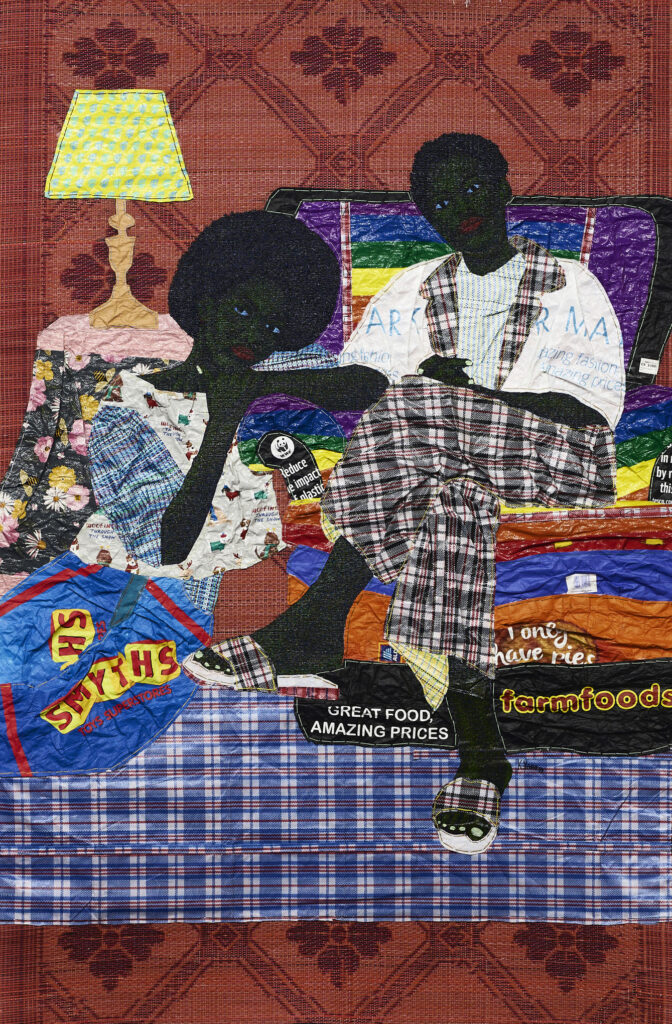
‘Any time I produce my works, I always tell myself that I want them to enter into collections that will have influence.’
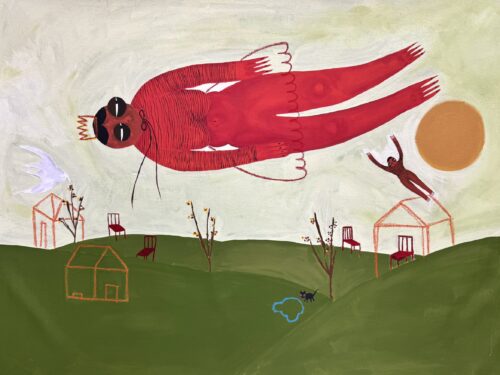
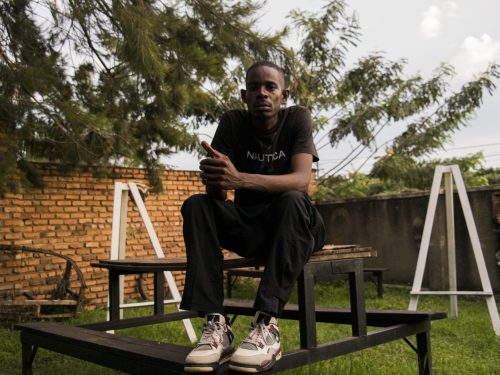
This is a statement by Ghana-based artist, Yaro, whose mixed media collages have found their way into art collections in and beyond Ghana. An acquisition from Poland came via the OmenaArt Foundation, whose Polish-Ghanaian founder Omenaa Mensah – art investor and philanthropist – is on a mission to promote and support African artists and their work.
Subsequently, one of Yaro’s works – Asibi – was featured in an integrated Art ’25 exhibition for the foundation’s TOP Charity auction event – Europe’s largest – which took place at Warsaw’s Royal Wilanów Palace this year. So, outside of public showcasing, what of the artist himself?
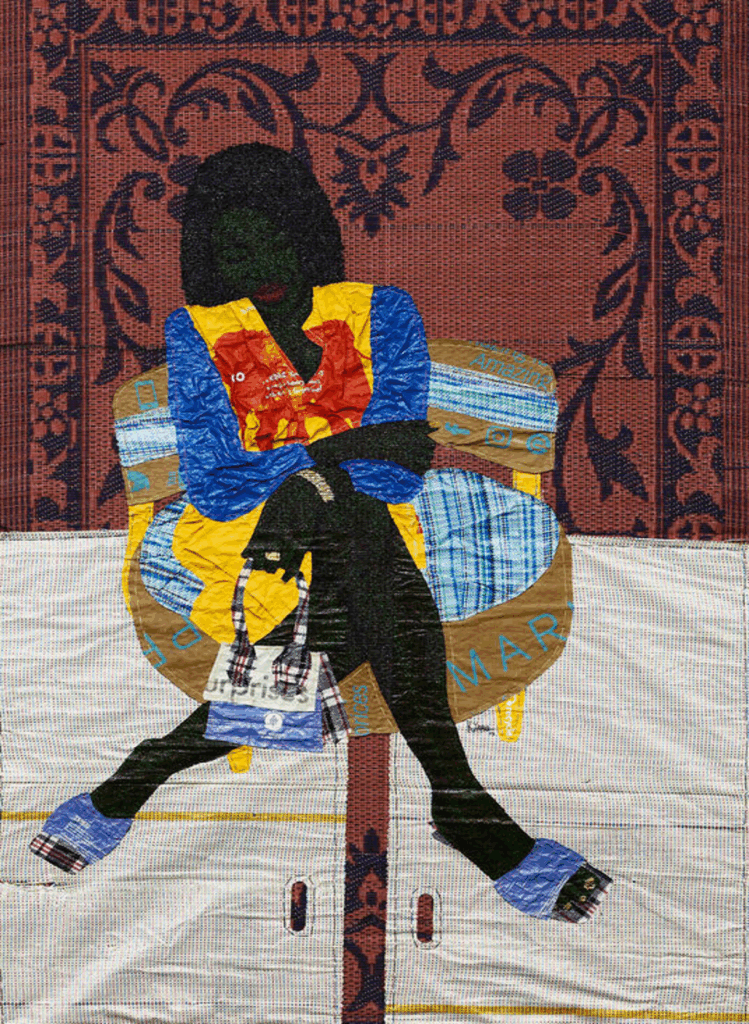
Self-taught, Yaro is one of five members of Artemartis – a collective of early career visual artists who are supported through local and international partnerships.
During a recent residency in Shanghai, Yaro capped this visit with a solo exhibition, Coat of Many Colours, which takes its title (and indirect theme) from Dolly Parton’s heartfelt country ballad.
‘I always talk about the environment in my work’ he states, alluding to the cultural connections he made during the trip, where he used Ghanaian as well as Chinese bamboo mats in his exhibition pieces. However, this choice wasn’t just about the simple use of malleable textures. ‘Any time we come into contact with something we leave certain marks’ he explains. ‘This becomes the agency of the materials.’

That active nature of practically-used textile objects that Yaro uses, includes the historically-named, Ghana Must Go bags and other materials that served him personally. ‘I grew up sleeping on mats’ he says, ‘so they’ve been part of the journey of my life. They’ve captured all the joyful or sad moments.’
His specific childhood memories of waking up ‘with all the textile marks and designs on your body’ sparks humour as well as the sense of a fading cultural touchpoint. ‘I feel like a whole generation is coming who won’t be able to express this’ he says, ‘but through my work, I’m able to tell them that at a particular moment in time, this is what this mat was used for, and this is the story of these materials.’
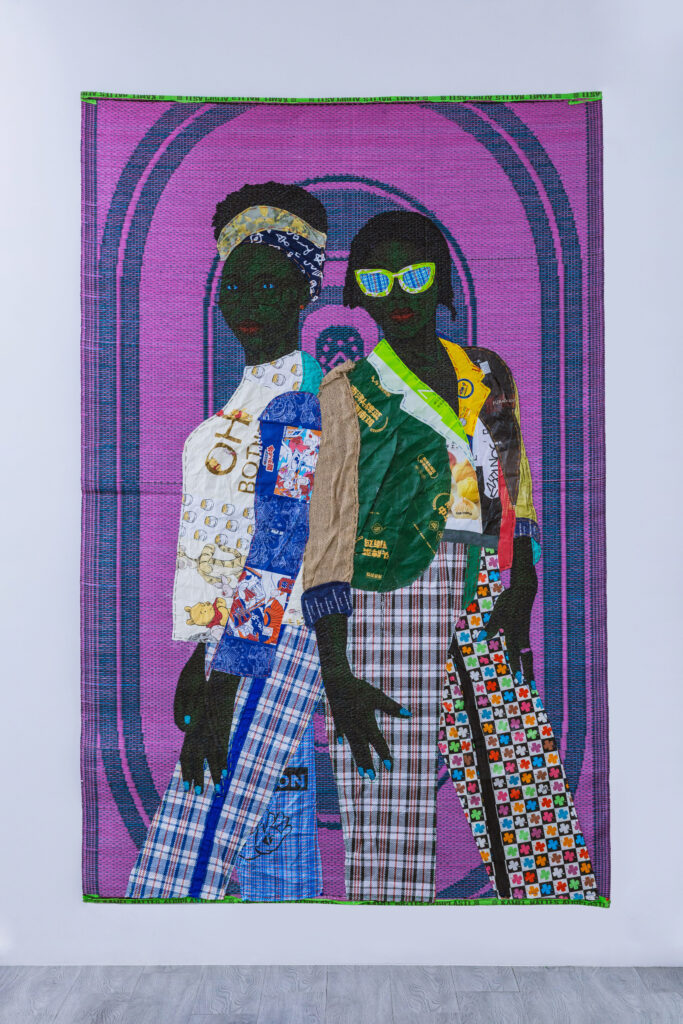
Pointillism is also blended into Yaro’s, specifically for the skin of each subject. ‘I like the saying that it takes a community to raise a child,’ he says. ‘I was raised with a lot of people from different tribes. If you did something wrong, other neighbours would correct you, so every dot that I place in my work represents someone who has been able to impact my life. It’s a symbol of trying to build our community and also represent myself.’
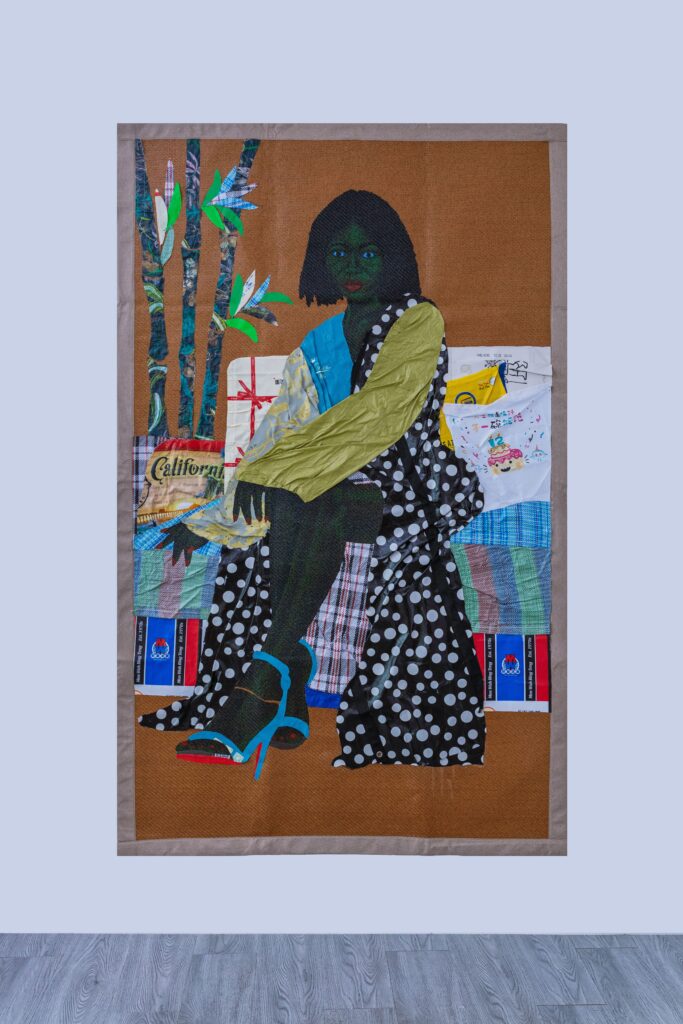
There’s now a social rhythm of exchange between Yaro and those from around his neighbourhood, with parents sending their children to his studio carrying various materials for him to use. ‘They’re getting to understand what I’m doing’ he says. ‘Most of them are advising their children to go into art, which is something that I love.’
The styling, reinvention and re-evaluation of ‘mundane’ or ‘half-life’ materials in Yaro’s work mirrors some of the thinking and visual output of older generation artists such as Hassan Hajjaj who, inspired by his Moroccan heritage, created upholstered drinks crates as well as pop-cultural photographs that are framed with mini food cans. Or perhaps an even better connection could be made with Kenyan artist, Cyrus Kabiru whose mission to ‘give trash a second chance’ has manifested in a series of visually psychotropic innovations of three-dimensional C-stunner glasses and re-constituted bikes and radios. Those works are similarly inspired by his community, although more specifically by his early relationship with his dad.
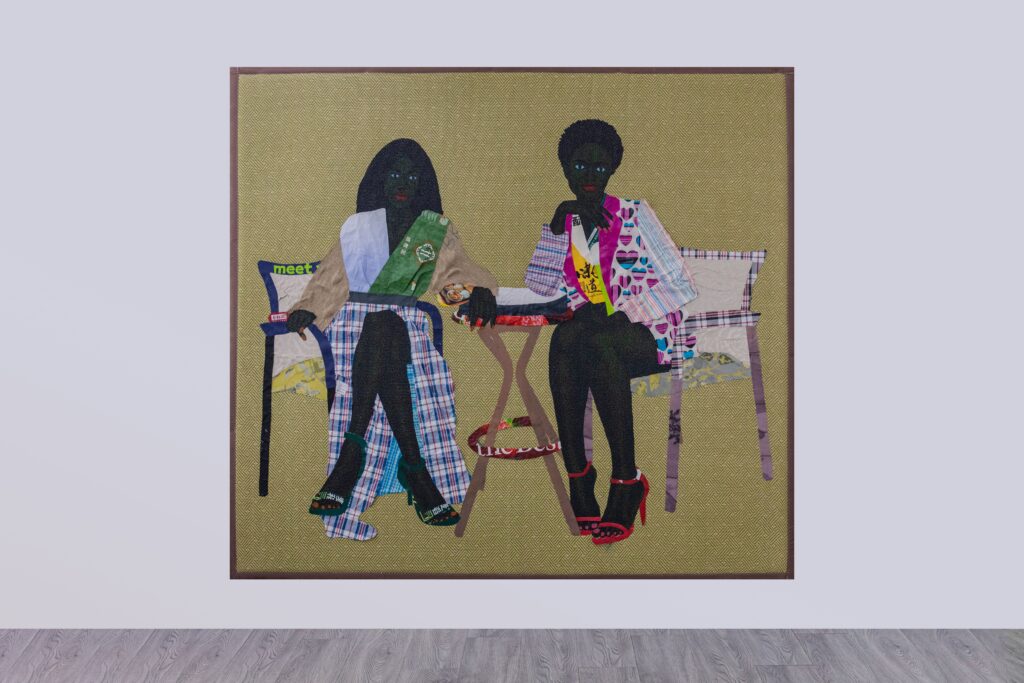
France, Benin and Ivory Coast are locations where Yaro’s work has been well-received, and with China and Poland now added to the geographical mix, there’s surely an entrepreneurial strategy attached to Yaro’s success.
It’s at this point that he’s happy for Artemartis founder to step in. As an agent, Selasie Gomado speaks on behalf of Yaro as well as the broader collective and stresses the fact that in choosing the life of an artist, each member has chosen a business and not a hobby.
‘From the time that I met them’ he says, ‘I’ve been having multiple discussions about how to make good use of their finances, to learn how to budget and to prepare their work as a brand.’

Gomado’s own route into the art world wasn’t linear. Coming from a science background he studied engineering as a parent-pleasing option, although most of his friends were visual artist students. ‘I just loved the fact that they were the only people who had the opportunity to create things with their hands’ he recalls.
His ongoing creative interest is offset by a healthy dose of financial ambition, which is a direct family influence. ‘There’s a town in Ghana called Mankoadze’ he explains. ‘When you go there it’s full of my family’s shops. They’re all over the place selling everything from hardware to animal feed.’
From primary through to high school Gomado was socially savvy, and business minded, which led to him setting up an online artists’ shop (post-Uni) before going into live arts events.
By 2018, Artemartis was launched after three-months deciding on the name, which, he explains is basically ‘Artem (Latin for art) and Artis, which is just “artist” with no “t.”’
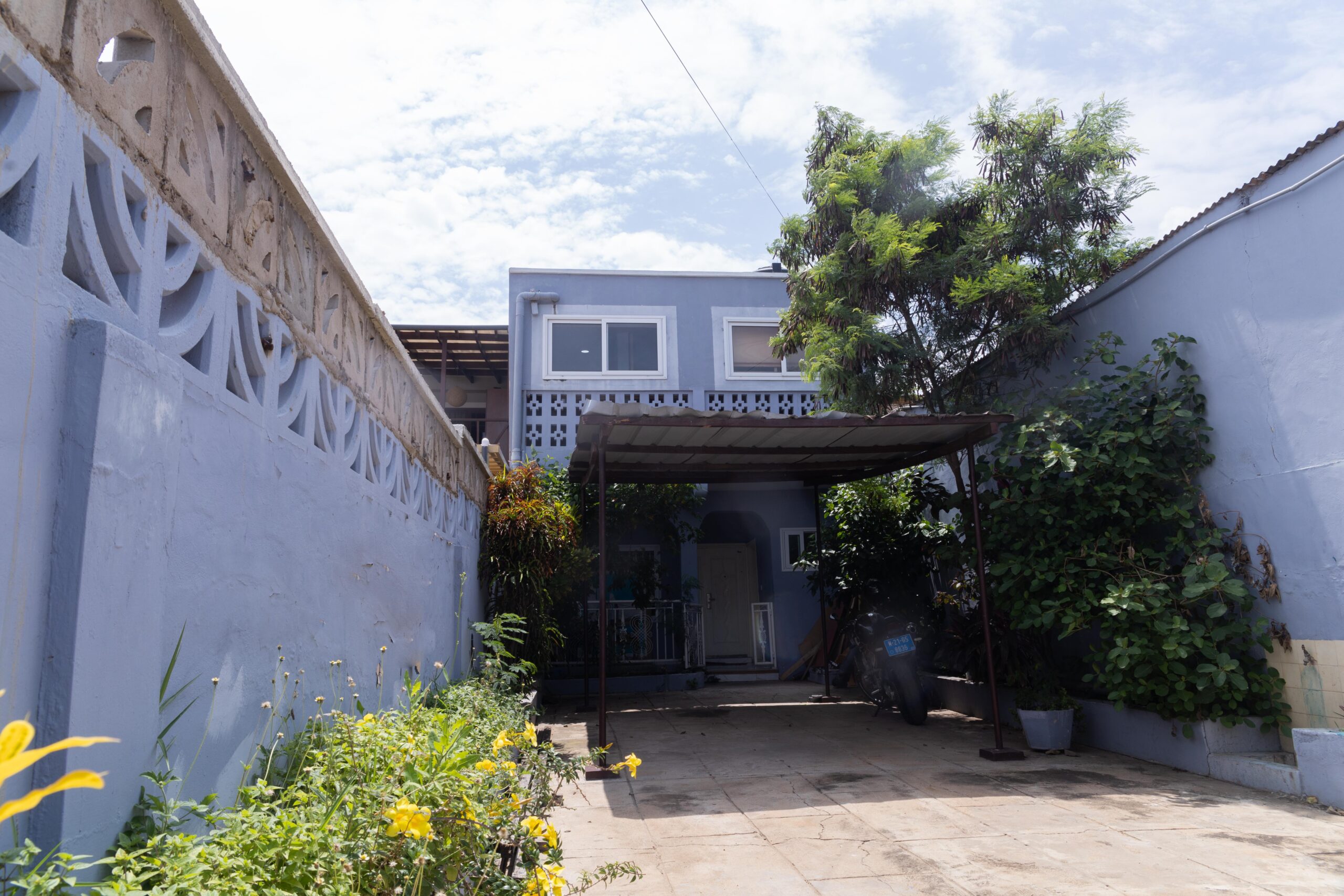
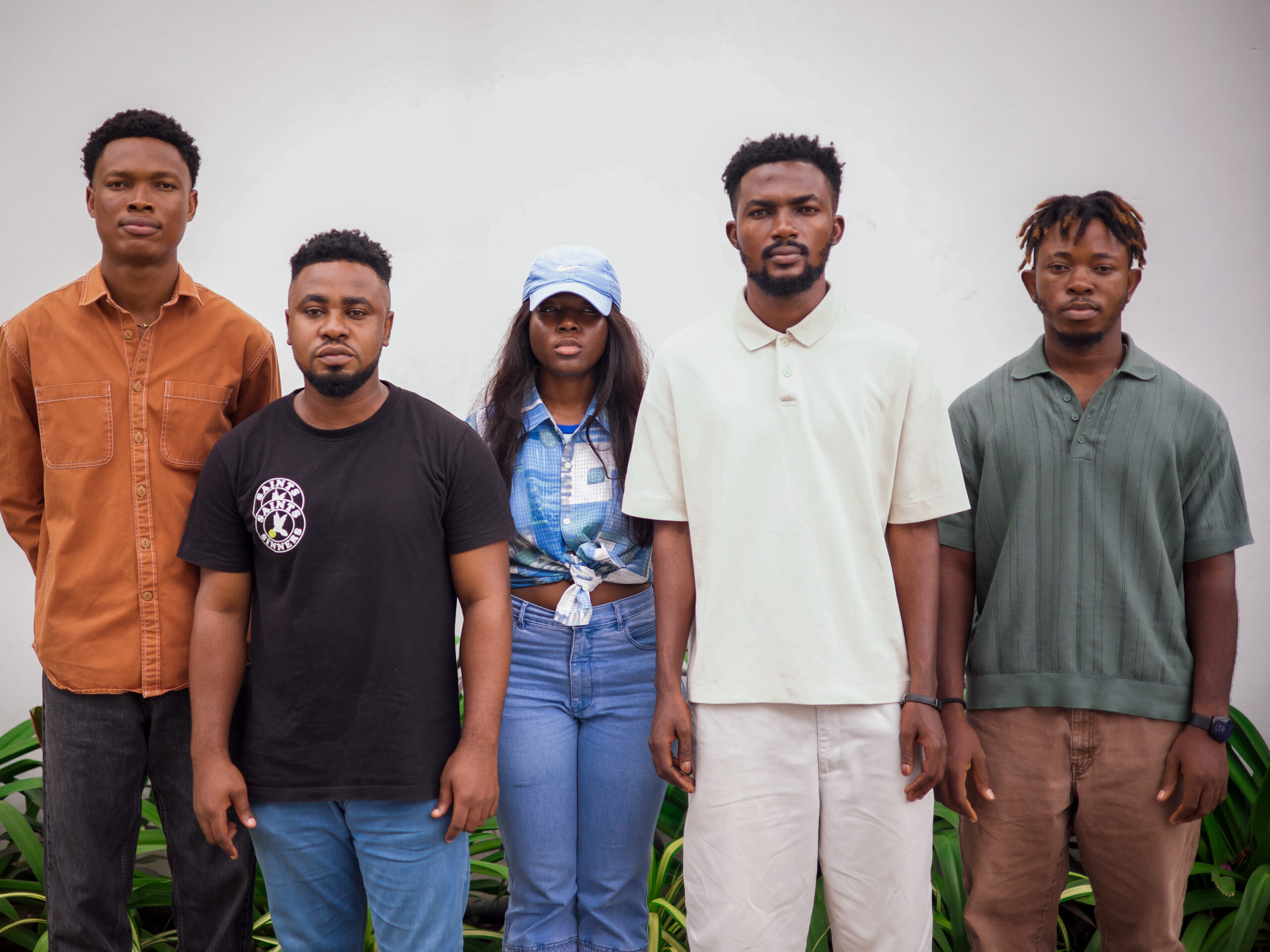
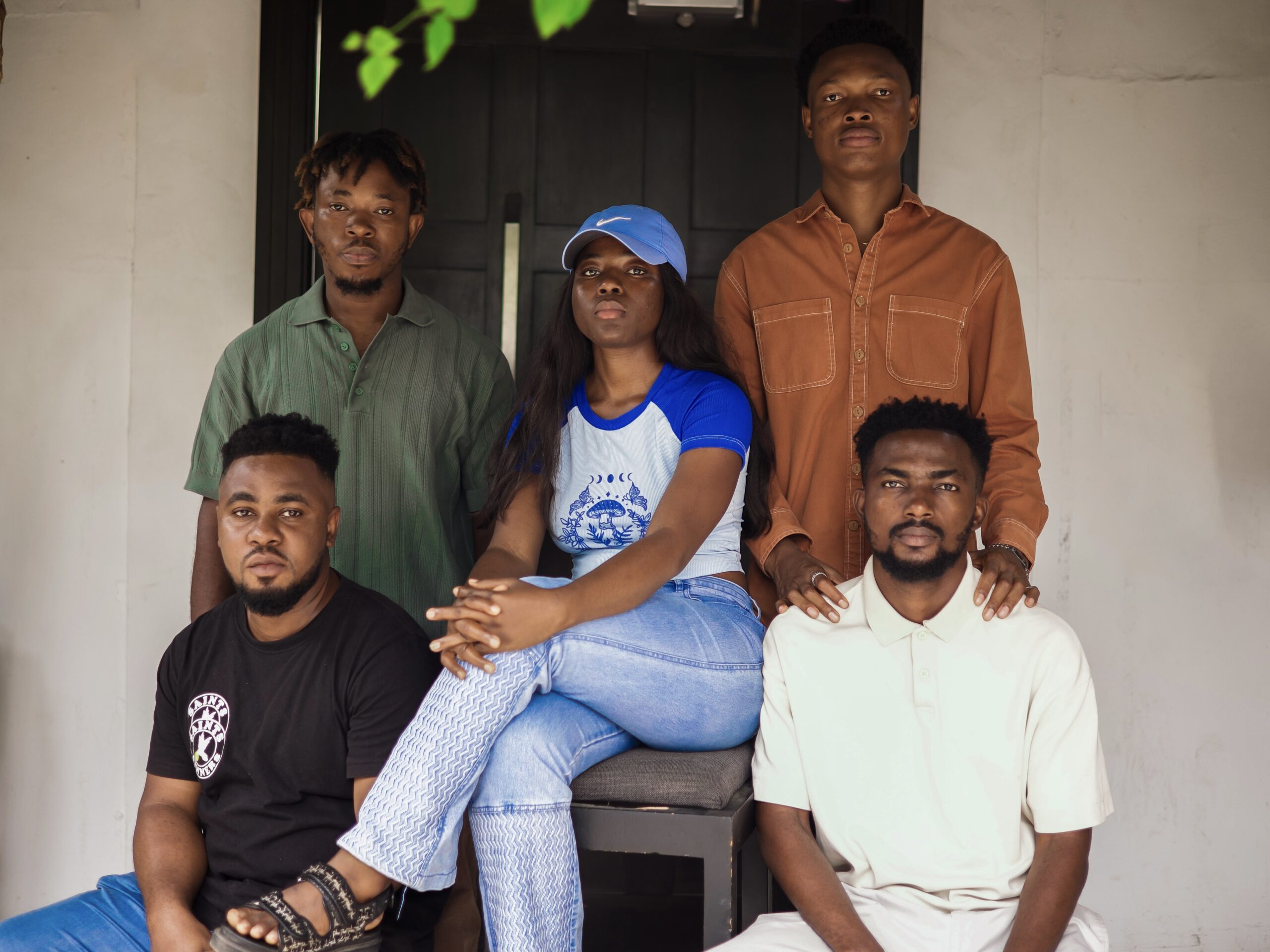
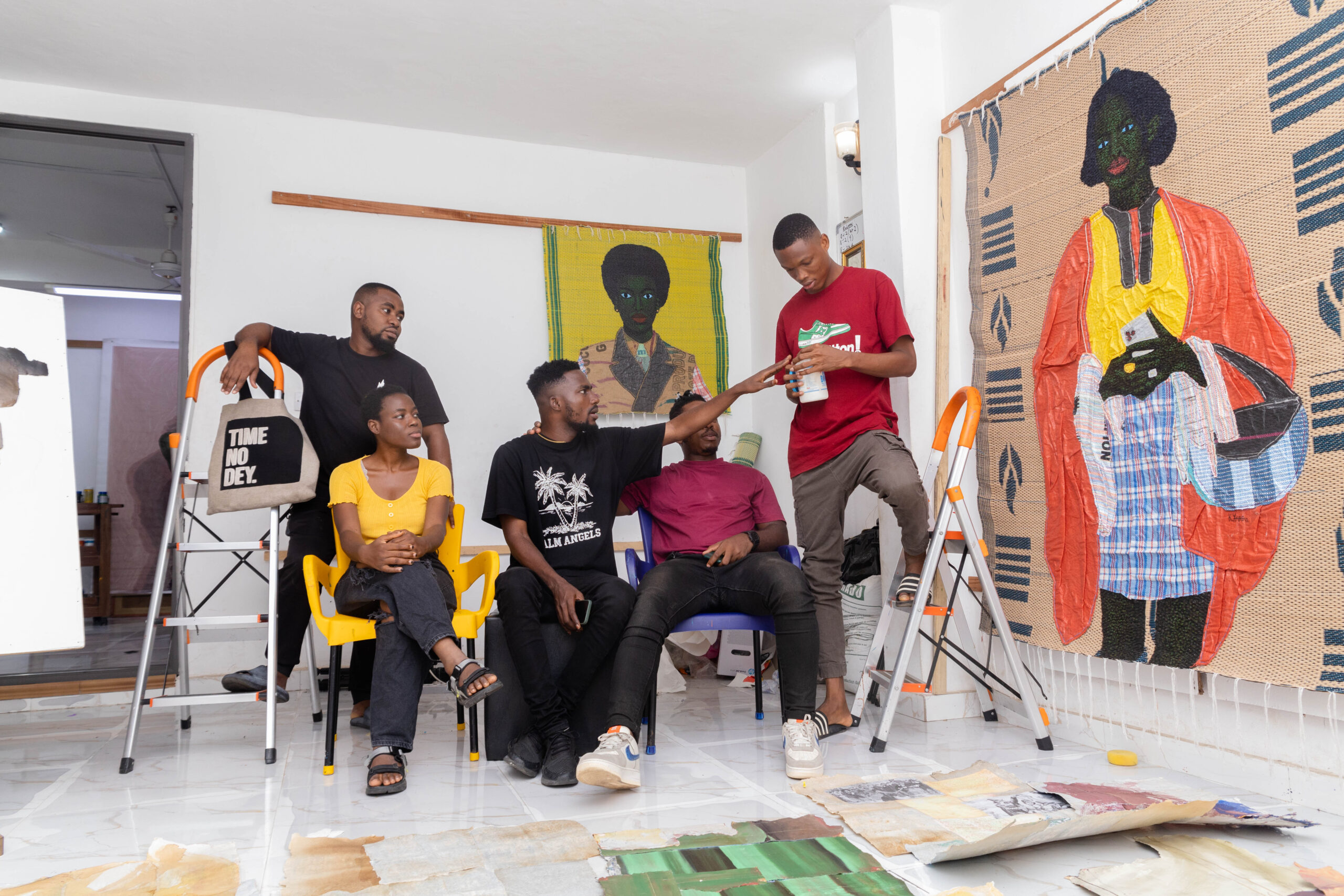
The group’s collaborations in Ghana have included those with Ada Contemporary Art Gallery, as well as Gallery 1957, where Yaro has had a residency, but the big Artemartis break came in 2022. This was when Phillips Auction House presented a London showcase – Birds of a Feather – featuring 18 works of contemporary African art by the collective.
Gomado: ‘We just kicked our feet through the door and were like, “Right, we’re here.”
Since then Yaro, as well as other Artemartis members, have been featured in galleries including Septieme in Paris, Mitochondria Gallery in Texas, Loft Gallery in Casablanca, and last year’s 1:54 art fair in London, where they were the first West African collective to participate.
These experiences across continents have been complemented by the international visitors who’ve been received in Accra, with the Mellon Foundation, the Contemporary Art Society of London, the White Cube and the Omenaa Art Foundation all engaging in Artemartis studio visits.
As the collective’s portfolio increases there’s hope for a future where enough revenue can be generated to build even more spaces, despite a potentially long road. Aware of their relative youth (both Yaro and Gomado are 29) they’re in the arts for the long game and have specific visions for the future.
‘The mark I want to leave is that of a change of mindset for people in and around Ghana’ Gomado says, referring to an ongoing need to kick against the often-conservative ideas around work choices, family and perceptions of artists. ‘My gospel is freedom. It’s challenging, but so is deciding not to push, because whether you do or not, it’s going to be hard, so choose your difficulty.’
For Yaro, he links his thoughts back to his environment. ‘I always want my practice to influence other people in the community’ he says. ‘When parents tell me their child knows how to draw, I’ll do a bit of interrogation to find out if that’s truly what they want and then they’ll allow him or her to go into it. That’s what I want for my practice; to be something that will be able to stand the test of time.’